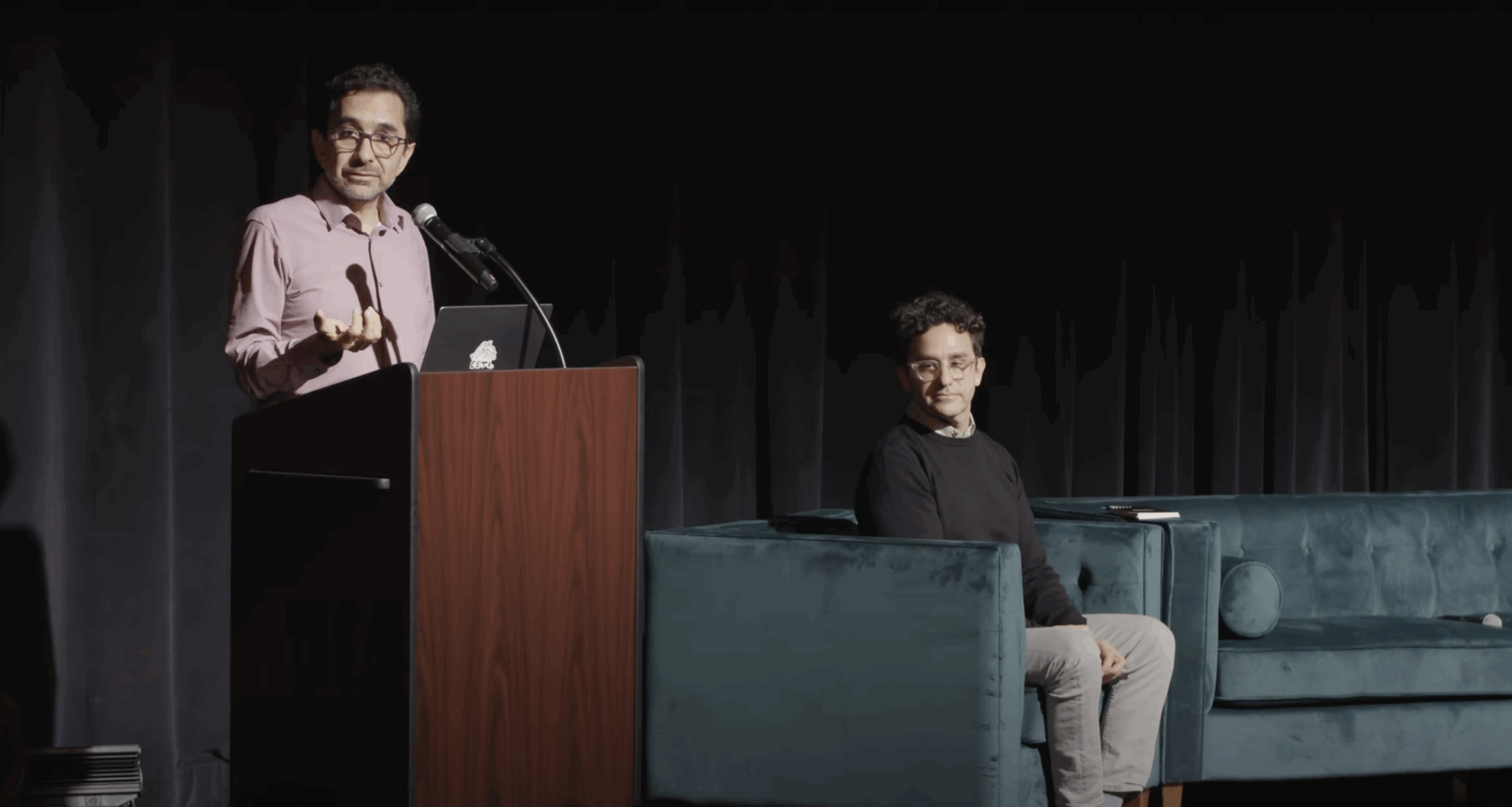
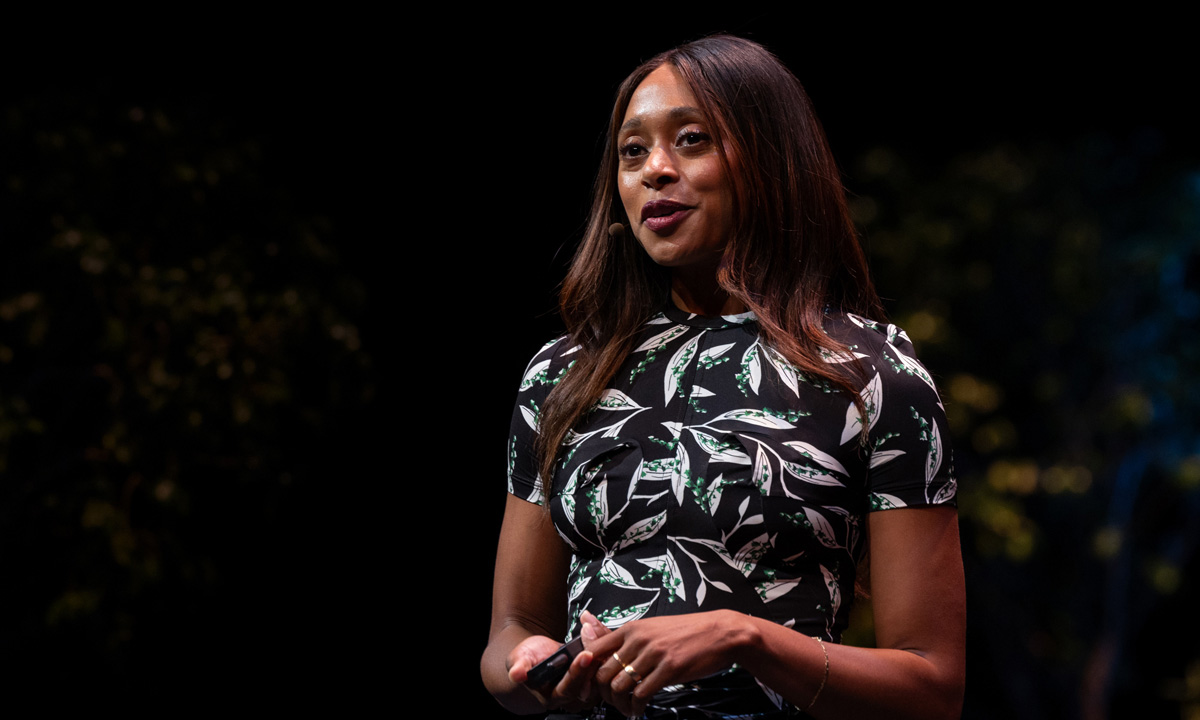
Ferris Jabr – Becoming Earth: How Our Planet Came to Life
Introduction by Suzanne Simard, the Project Lead for The Mother Tree Project and Program.
Western science has long resisted and even ridiculed the idea that our planet is alive, but many scientists now recognize that Earth and life continually coevolve and that, together, they form a single, interconnected, living system. Ferris Jabr, NYT bestselling author and one of our most celebrated scientific writers, explains how, over billions of years, microbes, plants, fungi, and animals radically altered the continents, oceans, and atmosphere, transforming what was once a lump of orbiting rock into our cosmic oasis. Life breathed oxygen into the atmosphere, dyed the sky blue, made fire possible, converted barren crust into fertile soil, and perhaps even helped construct the continents. Over time, life became critical to the planet’s capacity to regulate its climate and maintain balance. Life is Earth and Earth is life.
This talk was delivered at the 2026 Bioneers Conference.
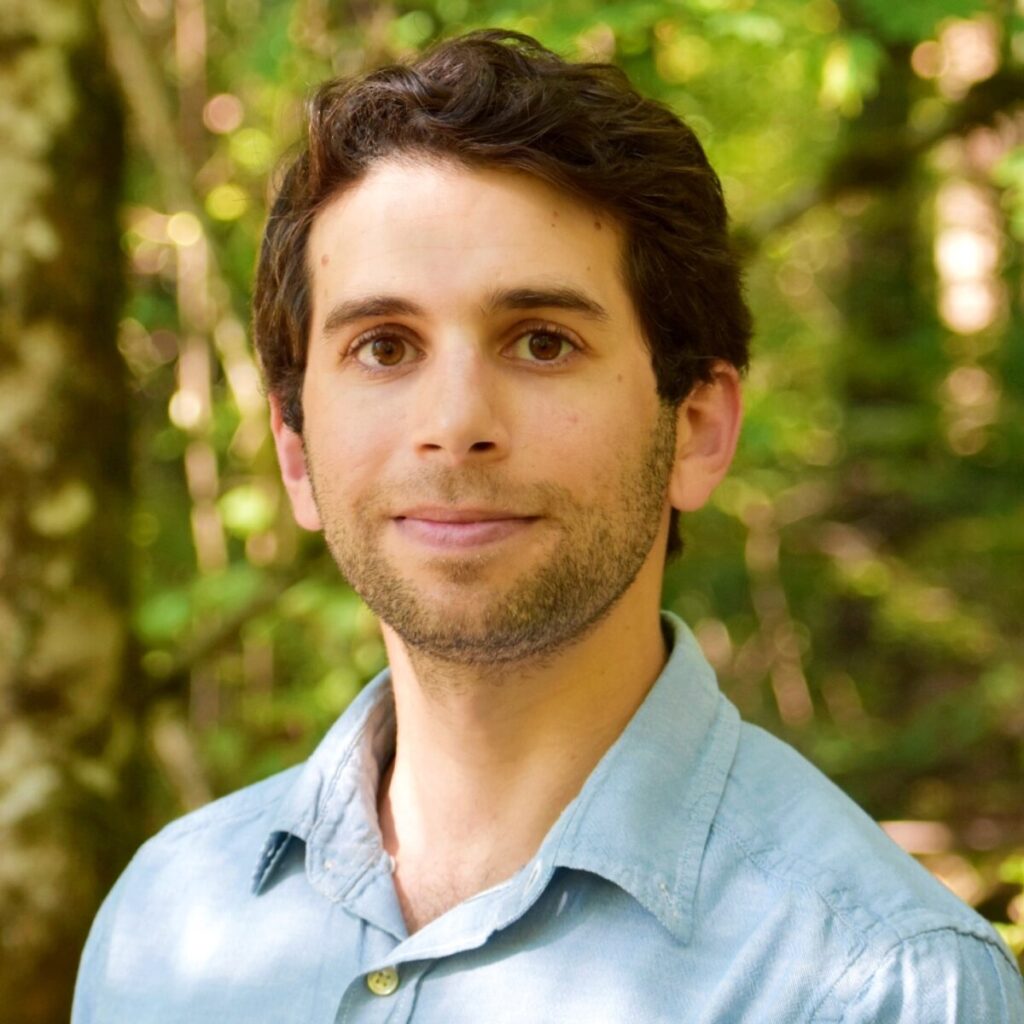
Ferris Jabr, a contributing writer for The New York Times Magazine, is the author of the bestselling Becoming Earth, which reviewers have described as an “infectiously poetic” “masterwork” that “earns its place alongside the best of today’s essential popular science books.” Ferris has also written for The New Yorker, The Atlantic, National Geographic, and Scientific American and has received fellowships and grants from Yale, MIT, UC Berkeley, the Pulitzer Center, and the Whiting Foundation. His work has been anthologized in four editions of The Best American Science and Nature Writing series.
EXPLORE MORE
Nature’s Genius
A Bioneers podcast series exploring how the symphony of life holds the solutions we need to balance human civilization with living systems. We can learn from the time-tested principles, processes, and dynamics that have allowed living systems to flourish during 3.8 billion years of evolution.