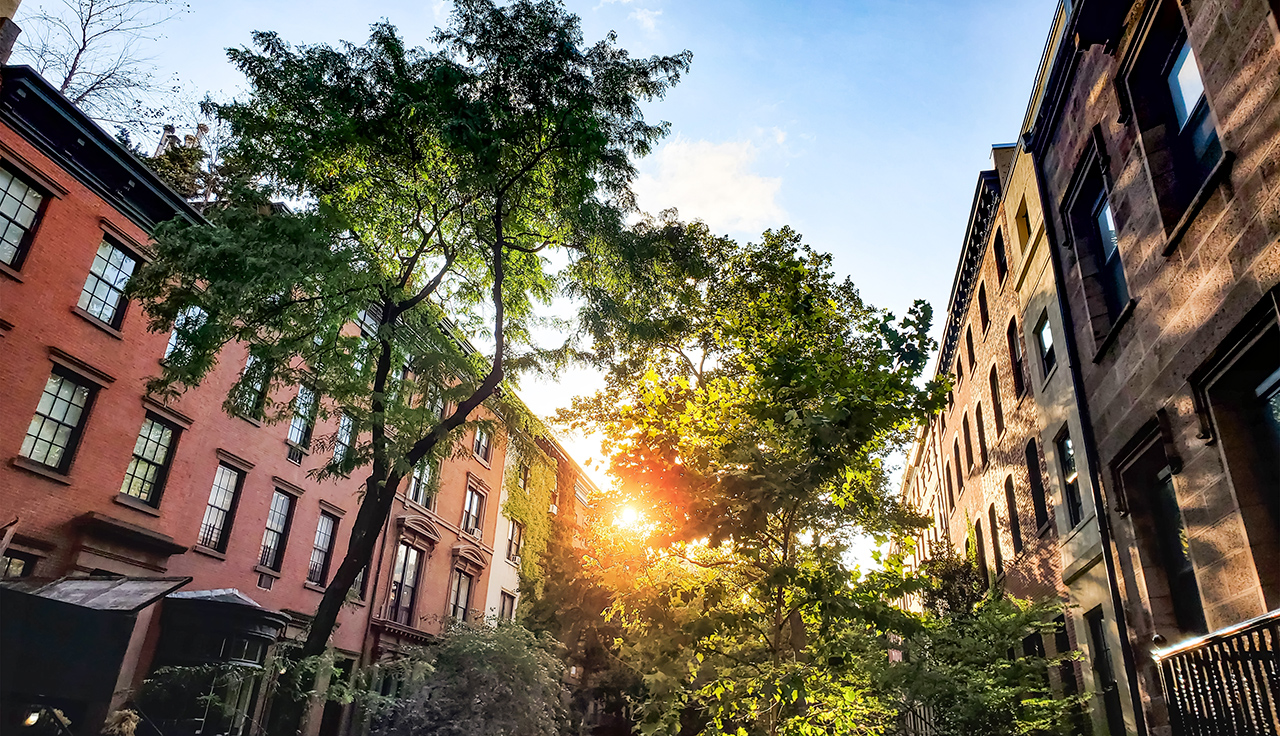
How Would Nature Do It?
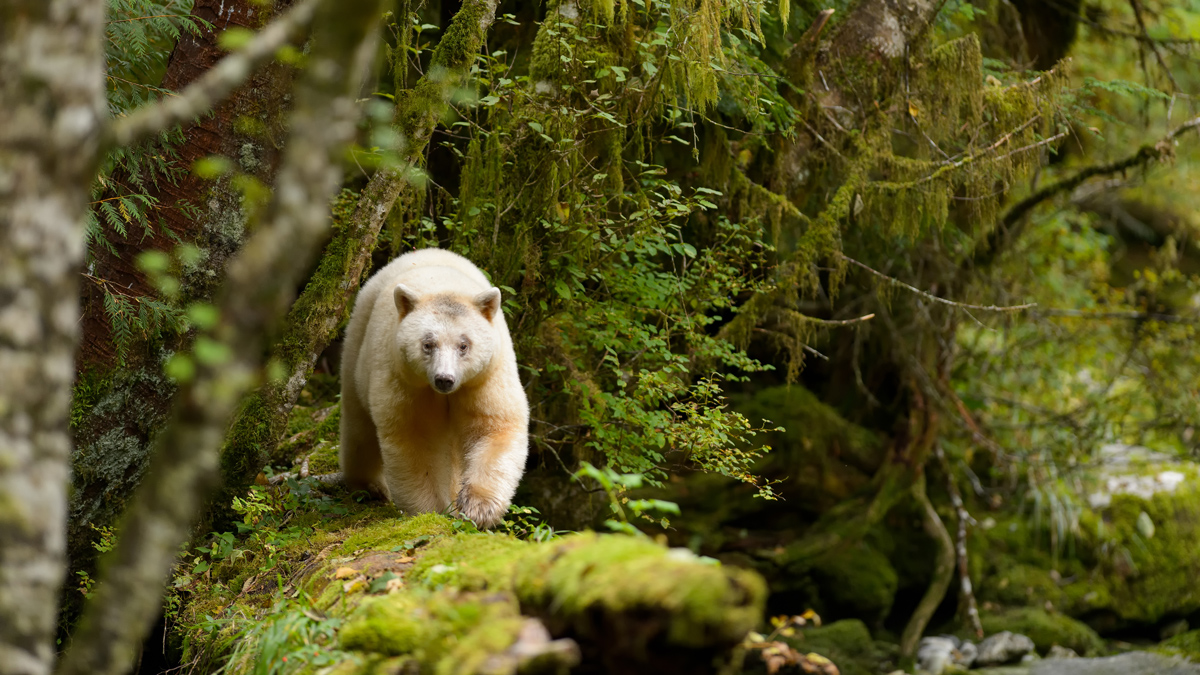
Mother Nature is the ultimate designer. After all, since life first emerged on Earth, she’s had 3.8 billion years of evolutionary R&D to get it right. Biomimicry is the art and science of learning from this ineffable genius: tapping into the patterns of nature to live harmoniously with life’s principles. We meet Janine Benyus, known as the “godmother of modern biomimicry”.
This is an episode of Nature’s Genius, a Bioneers podcast series exploring how the sentient symphony of life holds the solutions we need to balance human civilization with living systems. Visit the series page to learn more.
Featuring
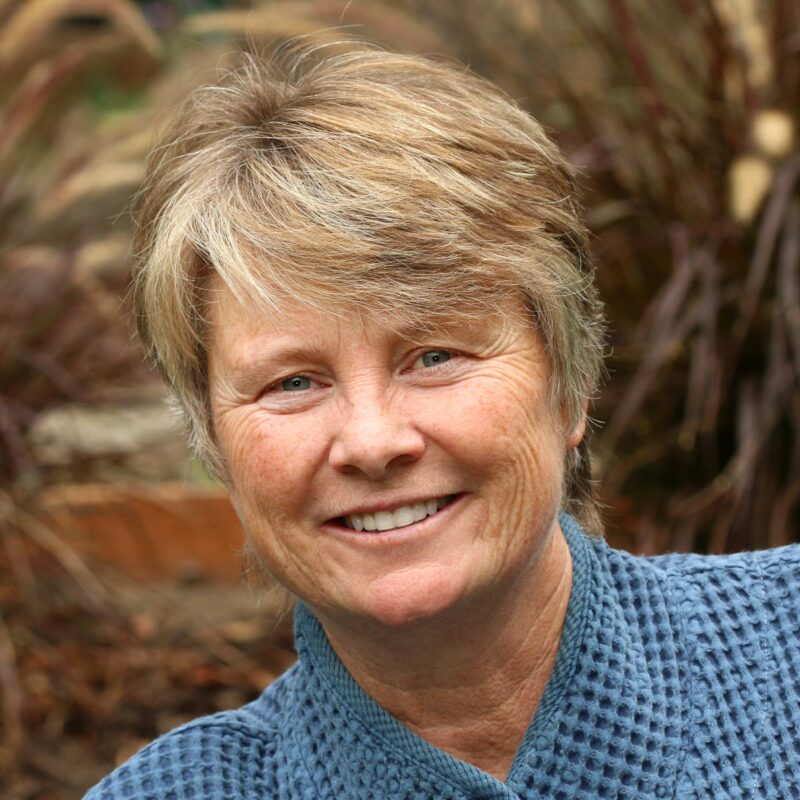
Janine Benyus is a world-renowned biologist, thought leader, innovation consultant and author of six books, including 1997’s foundational text, Biomimicry: Innovation Inspired by Nature. She co-founded the Biomimicry Guild, which morphed into Biomimicry 3.8, a B-Corp social enterprise providing biomimicry consulting services, and The Biomimicry Institute, a non-profit institute to embed biomimicry in formal education.
Credits
- Executive Producer: Kenny Ausubel
- Written by: Cathy Edwards and Kenny Ausubel
- Producer: Cathy Edwards
- Producer: Teo Grossman
- Senior Producer and Station Relations: Stephanie Welch
- Associate Producer: Emily Harris
- Host and Consulting Producer: Neil Harvey
- Interview Recording Engineer: Ray Day
Resources
Janine Benyus – Becoming a Welcome Species: Biomimicry and the Art of Generous Design | Bioneers 2025 Keynote
This limited series was produced as part of the Bioneers: Revolution from the Heart of Nature radio and podcast series. Visit the homepage to find out how to hear the program on your local station.
Subscribe to the Bioneers: Revolution from The Heart of Nature podcast







Transcript
Neil Harvey (Host): Looking to nature for inspiration and guidance is an ancient practice. For example, early medicines were likely discovered when humans observed other animals using them to self-medicate. Countless historical examples illustrate how people have long observed and mimicked natural phenomena.
Indigenous and traditional cultures have an ancient lineage of emulating nature’s ways based on intimate long-term scrutiny.
Western science has also sought to understand the design principles of nature. Leonardo da Vinci famously studied bird wings in great detail, to try to understand how humans could take flight.
More recent examples of biomimicry abound as engineers and inventors have become more attuned to the symphony of life. Common burdock seeds inspired Velcro. The beaks of kingfisher birds led to the redesign of the Japanese bullet train. A sea sponge was the model for London’s famed Gherkin skyscraper.
In 1997, the publication of Janine Benyus’s landmark book Biomimicry: Innovation Inspired by Nature crystallized this paradigm of creating from nature’s playbook. It galvanized this breakthrough in design science.
A few years before writing this foundational text, Janine had a personal reason to seek answers from nature. In the early 1990s, she had moved to a property in Montana which had an ailing pond.
Janine Benyus spoke at a Bioneers conference.
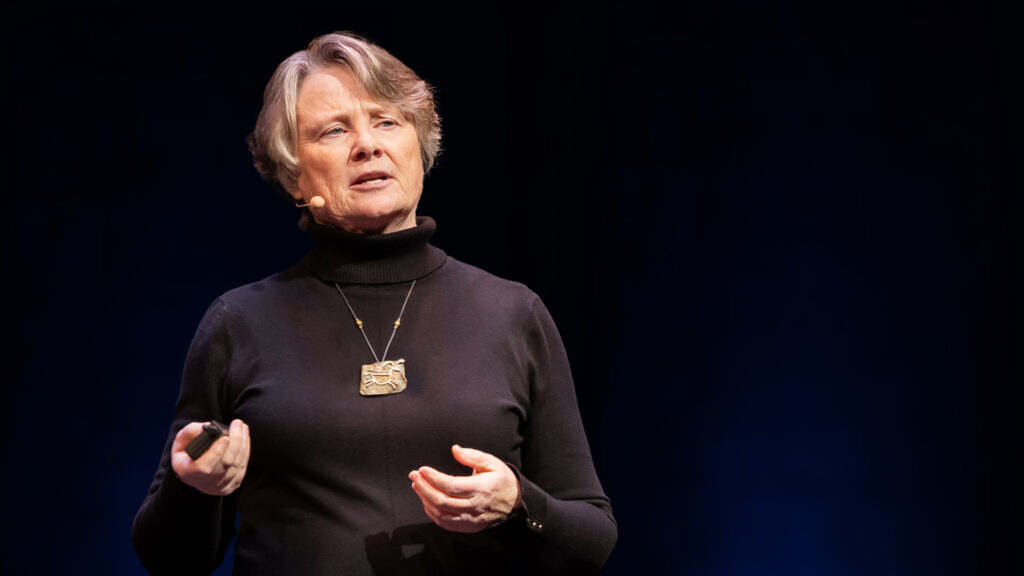
Janine Benyus (JB): This pond, when we got there– it was a mess. Full of agricultural chemicals, it was full of silt, there was no open water whatsoever. We tried everything. And then what we did was we went to a healthy pond in the national forest, and we noticed—my partner and I, Laura—we noticed the flow happening, and we rushed back and we realized that we had four springs that were smothered. When we released them, and reconnected this pond to its source of groundwater, every year it’s been getting better, and better, and better, and better. Because that’s what life does. One organism promotes another organism’s success and thriving. Another organism promotes another organism’s, right? It’s this incredible positive feedback loop.
We talk so much about negative tipping points, right—climate change and Greenland melting. There are also positive tipping points. And when we can get in the healing team and bring a place like this to that positive tipping point, life takes over. Biodiversity begets biodiversity. It is stunning to watch and to be a part of. So let’s remember that and then let’s try to do it consciously.
Host: Janine sums up the essence of biomimicry’s mission this way: Life creates conditions conducive to life. That became her metric for biomimicry.
Janine went on to co-found a non-profit, The Biomimicry Institute, and a consultancy, Biomimicry 3.8. The goal is to encourage design innovation that’s guided by nature’s genius.
And the field has flourished: nowadays, biomimicry is widely taught and practiced. But it was an outlier back when Janine’s book was first published.
JB: So, how do you do biomimicry? You start with quieting your cleverness and then listening, and then echoing what you hear, and then giving thanks. But you quiet your human cleverness because we tend to, when we design new things -– say like, an industrial designer or product designer – we look at things that humans have done before. It’s very, very different to learn about, say, all the kinds of nests that organisms make out of local raw materials that dissolve back into the environment in safe and healthy ways.
Once they start looking at the natural world and saying, you know, what do you do for a living? Well, I’m a water desalination expert. And then you take a person like that to a mangrove grove and say, well, this mangrove has its roots in the saltwater, but it lives in freshwater, and it’s solar-powered desalination. And they go, what? Why didn’t I ever learn that in school? Once people realize that, then they become biomimics for life.
Host: Nature has a boundless treasure trove of such ingenious blueprints to be discovered and emulated by humans. There are literally billions of solutions to be unearthed and understood.
But naturally, there’s a risk. Human beings have a nasty habit of both plundering nature and not giving back – nor taking precautions against unintended harms.
For example, birds inspired the engineering marvel that is human flight—but the consequences are decidedly a mixed bag.
JB: I remember reading the first flight happened, and then 11 years later we were dropping bombs out of planes. So this has always been front of mind for us.
When people say what are you most proud of, that’s the ethos of biomimicry. It’s not enough to say look at a humpback whale’s flipper. There’s a scalloped edge which really reduces drag, and if you put it on a wind turbine, it reduces drag by 32%. It’s amazing.
So the shallow biomimicry is ‘I’m just going to mimic the shape’. A deeper biomimicry is ‘I’m going to mimic the chemistry—How is it made? How is it shipped? What kind of economic model are you using? And we try to bring nature’s wisdom into every one of those decisions’. So it’s biomimicry of form, process—which is, how do you make this? And then, also, system. Is it life-enhancing? Does it create conditions conducive to life at every single part of bringing it into the world?
It’s been our mission to try to teach people this ethical biomimicry. And I always say it’s remedial for Western industrial culture. Indigenous Peoples have been looking to the natural world for model, measure, and mentor for millennia.
Host: There are more and less sustainable ways to harvest nature’s bounty, and the same is true for harvesting nature’s ideas.
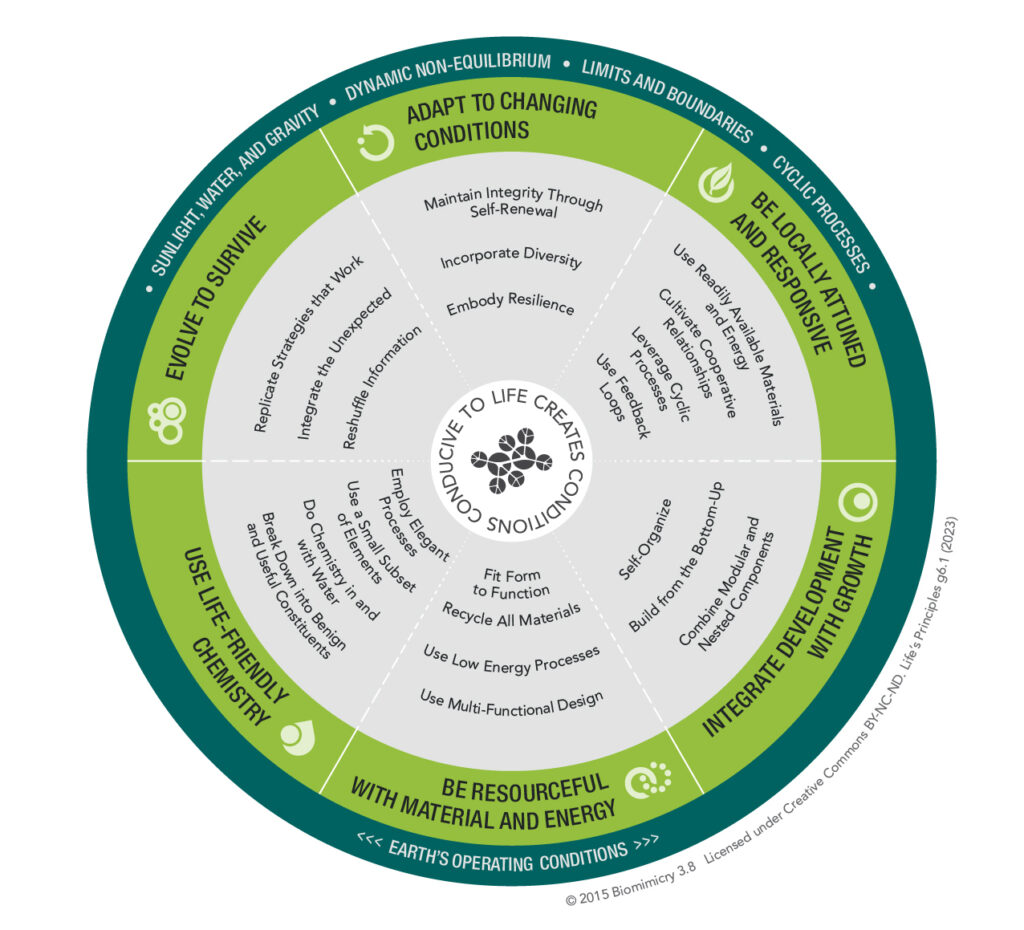
To raid a landscape for engineering models, then pollute it in the manufacturing process, is a fundamentally flawed way to mimic nature. Ecosystems have no “true” waste and are incredibly energy efficient. In fact, Janine and her colleague Dayna Baumeister have catalogued what they call “life’s principles,” a list of 27 characteristics and properties that all organisms have in common – for example, recycling all materials, using only water-based chemistry, and cultivating cooperative relationships. To design according to those principles is to create conditions conducive to life.
In recent years, Janine has become keenly attuned to one radically under-appreciated aspect of nature.
JB: Ecosystems — forests, corals, prairies, grasslands, steppes — are incredibly generous. And what I mean by that is they have knit their society together in such a way that each year they’re enhancing the place that they live, right? They’re building soil, and it’s getting more fertile.
But the thing that they also do is they exhale goodness. Like when water comes into a forest, it’s actually cleaned by the soils and the organisms. When it leaves, that water is cleaner than when it comes in. Same way with air. It might be full of pollutants, but when it goes through the forest, it gets purified. But then it gets sent downwind. What’s coming out of forests are migratory species. There’s all of these benefits being sent out beyond their borders.
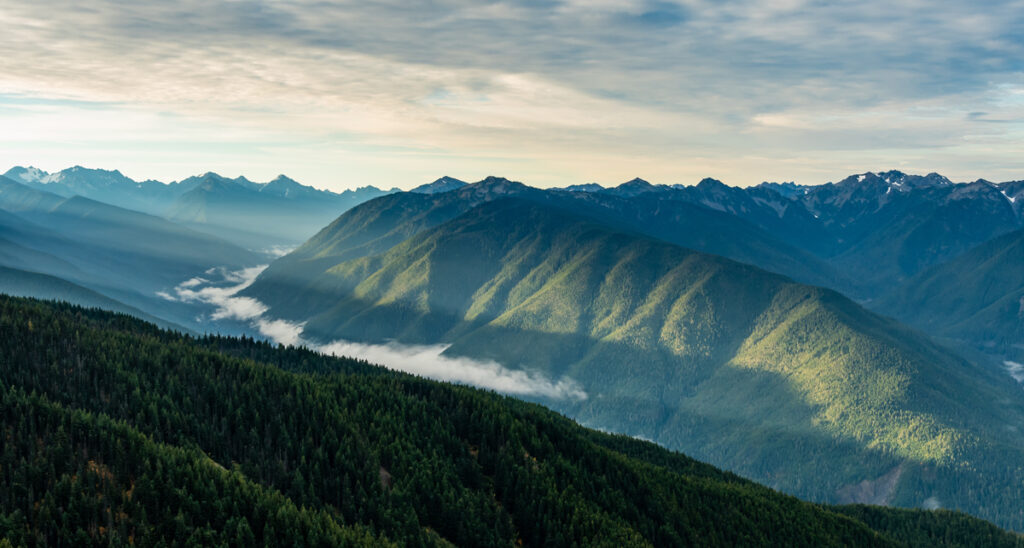
Forests, we now understand, are constantly releasing and transporting water vapor into the air, but they’re also transporting microbes, fungal spores, pieces of insects, little tiny, tiny insects like springtails and—there’s an aerobiome up there. And what that does is, those bits of life that the forest exhales become nucleators for raindrops. Say a small ice-nucleating bacteria floats up, that bacteria has proteins on its surface that hold the water molecules in such a way—it’s like a geometric template that they crystallize into ice, which then, as it moves through the cloud, melts and becomes rainwater.
So 40% of the rain in the Amazon is created by the forest itself. So you have all this rain that goes down into the Amazon, but then you also have these flying rivers, they’re called. And these rivers of water vapor will go down to South America. They also come up as far as Canada. So this is generosity. That’s what I mean by generosity.
Host: During a flight she took over Montana, Janine had an epiphany about this quality of generosity.
JB: I was flying in, flying over wilderness, and it’s so lush down there. It’s so beautiful down there, right? It’s so clean down there, the water, the fragrance. And then, I got to the city, and it ended. And I thought, wait a minute, what’s going on here? Why are all the arrows of benefits going from the green into the grey?
Host: Seen from above, the city revealed itself as a gray disfigured blot on the landscape. This footprint highlights a huge problem, given that 4 billion people, and counting, live in cities today.
What would it look like, Janine wondered, if cities were as generous as healthy ecosystems are?
JB: What would a biomimetic city be like? Well, it would function like a forest. And one of the things that it would do is export good things, positive benefits.
In ecology, we have this list of ecological benefits: things like purifying air, purifying water, storing carbon, supporting habitat, building soil, cycling nutrients, supporting pollinators – you know, it’s endless – moderating the climate, cooling the air. Right? Those are ecological benefits. We said why don’t we measure the ecological benefits of a reference habitat and literally come up with how many gallons of water is stored, how much nitrogen is cycled, how much habitat is created, and organisms supported.
And that’s what we do now. It’s called Project Positive, and it’s biomimicry at the systems level. We go to a reference habitat. Basically what that means is what would be growing there if we weren’t putting our building there? We go to the healthiest one we can find locally, and we say, okay, these are the benefits that are happening here. Then we go back to the building site and we say, that’s your aspirational goal, these ecological benefits.
So you’re not just creating a shelter for humans, you’re creating a shelter where the buildings themselves, the sidewalks, and the landscaping all provide benefits beyond their borders; they create such abundance that they clean the water, they clean the air, they support wildlife. Right?
I mean, our clients have said: Why should I export benefits beyond my borders? Why should I clean the water that comes through my site? Well, if you want to be biomimetic, that’s what natural systems do.
Now, what happens is once they figure that that’s an interesting way to design, and you say use as many surfaces as you possibly can—green walls, green and blue roofs, rain gardens—right, and stack as many benefits as you can, you wind up with amazing designs.
Host: Through the Project Positive initiative, Janine and her colleagues at Biomimicry 3.8 collaborate with a consortium of architects, engineers, and designers on a wide range of built environment projects and share best practices to embody this systems-level biomimicry. We’ll hear about some of these inspiring creations after the break.
I’m Neil Harvey. You’re listening to the Bioneers: Revolution from the Heart of Nature.
Through the Project Positive initiative, Janine and her colleagues at Biomimicry 3.8 collaborate with a consortium of architects, engineers, and designers on a wide range of built environment projects and share best practices to embody this systems-level biomimicry. We’ll hear about some of these inspiring creations after the break.

Host: Creating buildings and landscapes according to life’s principles can have spectacular results.
Just ask the United States Coast Guard. In the early 2000s, they decided they needed a new headquarters. They found a good site in Washington D.C., and started planning…
JB: And they were going to, you know, basically put up a couple office towers. And instead we got to talking. We said: What is your motto? What’s the motto of the U.S. Coast Guard? What do you do? And they said we protect the nation’s waters. So we said: Why don’t we try to build a building and a site that purifies water, then?
And we said, okay, in a watershed in the east, in a temperate broad-leaved forest, if you have a really healthy watershed, you probably have beavers there, they pond water, and those dams are leaky. And so what happens is you’ve got this shifting mosaic of everything from a pond to a wetland to a meadow. And as it goes down the watershed, the water is actually purified by these beautiful mosaic systems. So we wound up doing a series of terraced blue-green roofs that were connected with waterfalls. And it’s a gorgeous building.
And at the base, it was going to be a parking lot. It’s not a parking lot. We put the cars underground. It’s a lake with wildlife watching trails all around it, and many thousands of plant species, an actual wetland. When you fly over it, you can hardly see that there’s a building there. And it’s so beautifully integrated into the landscape, it has become part of the landscape. It’s functionally indistinguishable from other parts of the landscape around it. So, for instance, even when it was first built, it was 1.6 degrees cooler than any of the other building sites around it.
So that’s just one service, right? There’s noise abatement. There’s climate mitigation. You’ve got this leafy canopy that’s creating shade and that’s full of bird song. This idea that you would go to your workplace and see a waterfall out your window, and you’d picnic at lunch. That’s pretty amazing.
When you try to reach the emerald standard, and you take nature—the rest of nature—as your standard of excellence, what you’re building and why you’re building changes dramatically.
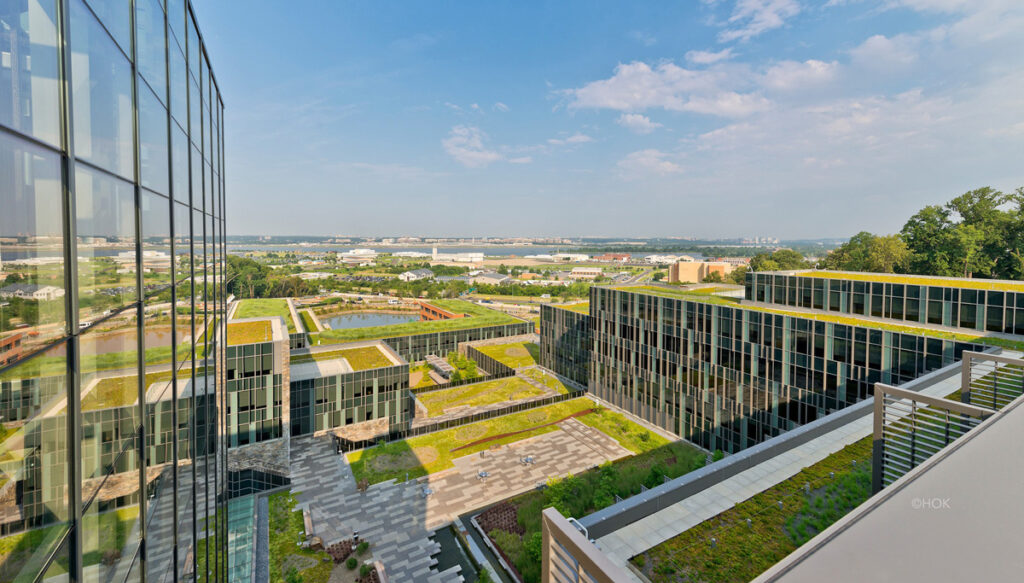
Host: Inspired by beaver dams, the U.S. Coast Guard building was a landmark project costing hundreds of millions of dollars. Many of Biomimicry 3.8’s clients these days are giant organizations working on big sites: Microsoft’s data centers, for example. These scattered sites are spores that can spawn additional visionary design revolutions and benefits at scale.
JB: One of the things that we realized is that it can’t stop with just a few data centers and factories, and the things we’re doing. That’s important. But what if everybody did it?
So now what we’re doing is saying: What land do you touch? We touch a lot of land. When I talk to these companies, I say, how many employees do you have? Oh, 235,000. How many customers? Can you help them do it in their backyards? What about your supply chain? What about doing positive ecosystem gifts on all farms, forests, fisheries?
Host: Influential high-profile projects like these can multiply their ecological gifts by showing a lot more people it’s possible, desirable and cost-effective to adopt a similarly generous approach in their own lives. Janine calls this ‘pixelated healing’, and she wants to ensure everyone has access to the knowledge they need in order to get in the game.
She and her team at the Biomimicry Institute created Asknature.org as an invaluable online tool for dialing up nature’s solutions. It’s a kind of ‘field guide to the natural world’ that catalogues over a thousand biological strategies, and it’s expanding.
JB: You learn about the place that you’re living in or building in, and you learn about the ecological dynamics—What makes it tick? What makes it tip? You know, the fragilities, the superpowers of that place.
And most people are not asking their backyard to do everything that a forest does or that a grassland does, but when they do, then you also have to say, okay, here are the design interventions, meaning when you’re planting trees, make sure that you plant shrubs beneath it. Why? Because a lot of, say, moths that feed birds, if you want the function of bird habitat, a lot of the moth species have their caterpillar stage in a shrub.
That sort of deep ecological knowledge is something that Indigenous People knew because they knew the deep patterns of their place. We’ve forgotten that. So if we give people the opportunity to see the deep patterns and how to replicate those landscape attributes, how to emulate those, it’s biomimicry at the ecological scale, they will begin to move towards an ecological positive tipping point.
And believe me, life will take off. I mean, the monitoring of this is really fun, because you go back five years later onto a landscape that you’ve intentionally tried to make a welcoming place, and you will see your ecological benefits just blossom, and they will be going beyond your borders.
Host: The aim of Ask Nature, says Janine, is for any of us to be able to type our zip code, and learn about the kind of habitat that existed in our area before it was ecologically degraded by human development.
Janine is confident people are yearning for this. She believes that we humans can be as generous as nature – because we ARE nature.
JB: We worked on a factory project in Georgia, and they had a stream on the property, but many streams in cities and urban areas are put into pipes. So we do what’s called daylighting, where we take that pipe up and we recreate the stream. And the employees at the factory, we sat with them for a long time in the reference habitats, in the pine forests, talking about what they remember of growing up in those places, and they remember things like picking berries, or having their father teach them to fish. So the idea that they could go to work and bring their kid and go fishing or pick berries at their workplace is amazing.
But what really amazed us was when we were talking about the ecological dynamics, and showing them that, yes, this stream in this part of Georgia eventually goes into the Apalachicola Bay. Hundreds and hundreds of miles away!
And we told them that the oyster fishery in the Apalachicola Bay was almost extinct because it’s so polluted, and that we were going to try to clean the water. Many, many times, they said, I want to tell my kid that I work at a place that’s helping the oystermen of Apalachicola Bay. Wow. I mean, that’s super generous. That’s our true nature. So if you give people the opportunity to make a place more and more generous, they will do that.
Host: Janine says that if many more people strove to emulate nature in their own locale, the results could be truly transformative. It’s something she has certainly experienced in her own life. Remember her formerly stagnant pond? Fast forward 33 years.
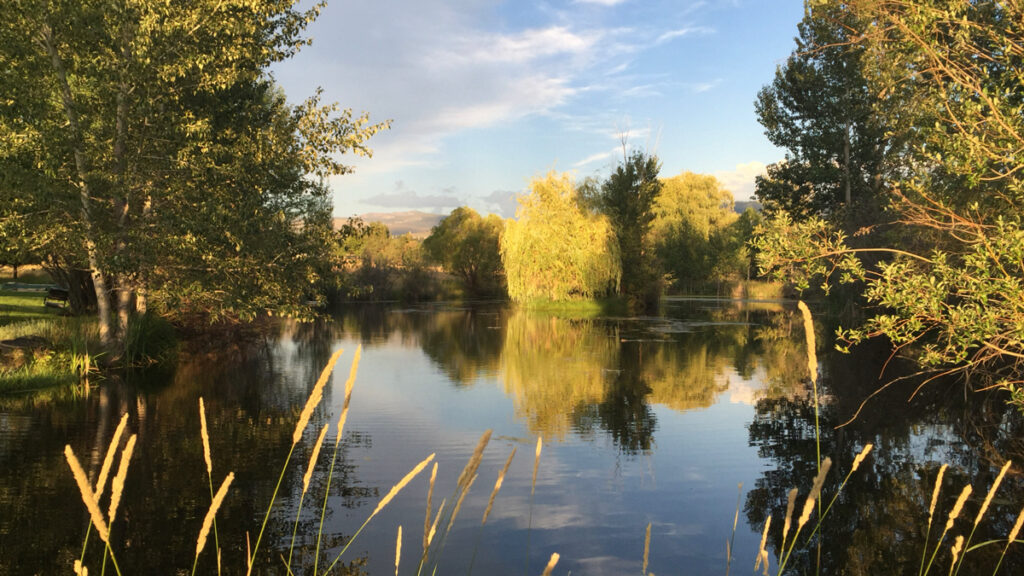
JB: We were out along the pond, and I look down at my feet and there’s – in the water’s edge – there’s this giant swath of boiling organisms. It was amazing. It was tadpoles and toadlets, tiny things like the size of a—not even the size of a quarter. And then I looked at my feet, and the toadlets were coming out of the water. They were hatching and emerging. And they were like hopping by me. And it was our entire pond edge.
So we called—we have a friend who’s the non-game wildlife manager of Montana – and we called him. We said, there’s something you should see. And so he went down and he came running back and said they’re Western toads, and their habitat’s highly endangered in Montana. Only 10% of their habitat is left. And there were thousands of them, and they were not going to stay on our property. They move up to two-and-a-half, three miles away. And then, you know, herons came in and Sandhill cranes were eating them, and they flew away.
We could watch the beneficial flows of our property going to other places. Life’s abundance was now traveling beyond borders, beyond property lines. There are no property lines in the natural world.
And I’ve got to tell you, that’s—if everybody had that experience, even if they’re just on a balcony and they happen to create a home for something, there’s something deep about that in which we remember our generous spirits as humans.
So can humans be a welcome species? Yeah. Why not? We’re young, we’re young. But this is our true home. We belong here. And I think our true nature is generous, because we’re a biological being. [APPLAUSE]
And we can do what life does, I know that we can. Whatever part of the Earth you touch, you can help heal. Let’s do it by design. Let’s find our true generous natures. [APPLAUSE]
Host: Janine Benyus, “How Would Nature Do It?”