What’s Standing in the Way of Civic Participation — and How to Change It
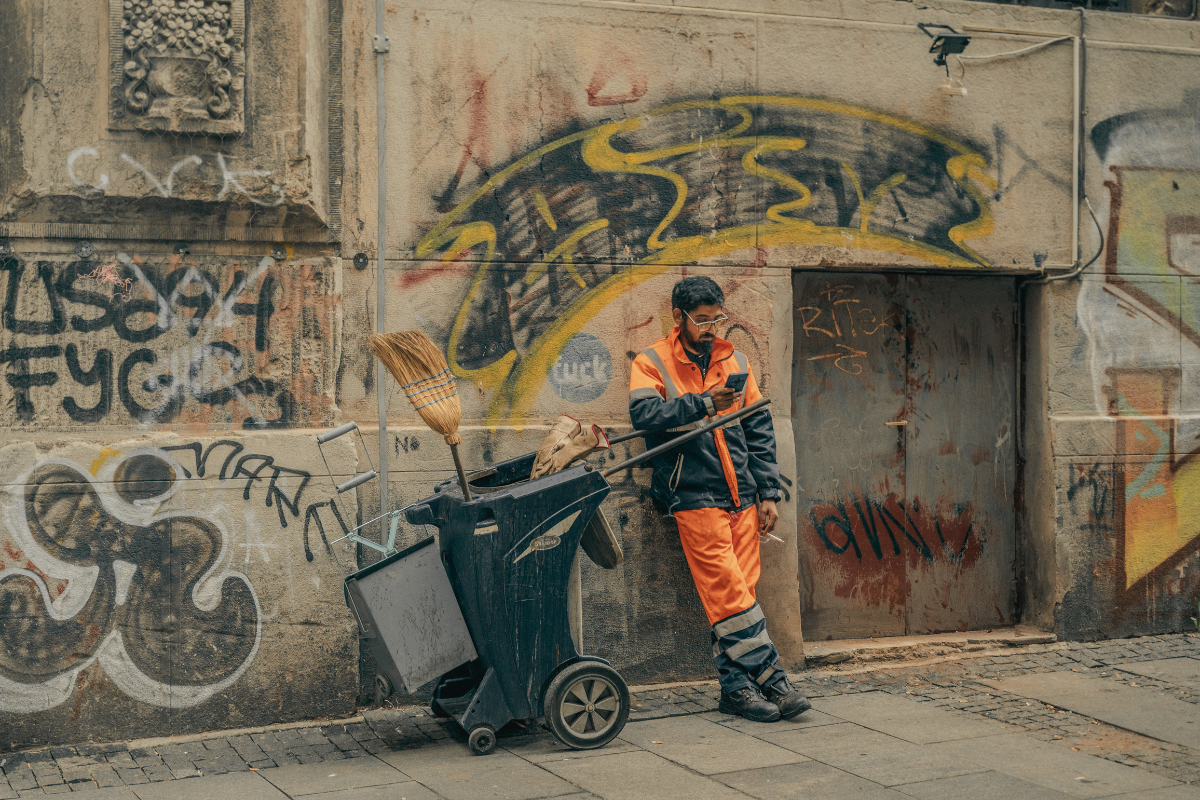
If you can’t afford to live, what does democracy actually offer you?
It’s a question sitting just beneath the surface of many political debates right now. For people struggling to get by, the idea of protecting democracy can feel abstract at best, disconnected at worst. And even in more progressive spaces where democracy is treated as urgent, it’s often framed as a parallel concern — something to defend alongside economic issues, rather than through them. As Raj Patel puts it, people are increasingly being asked to accept a kind of tradeoff: focus on affordability now, and worry about democracy later. If the system hasn’t delivered for working people, it’s not hard to see why some might question whether it’s worth defending at all.
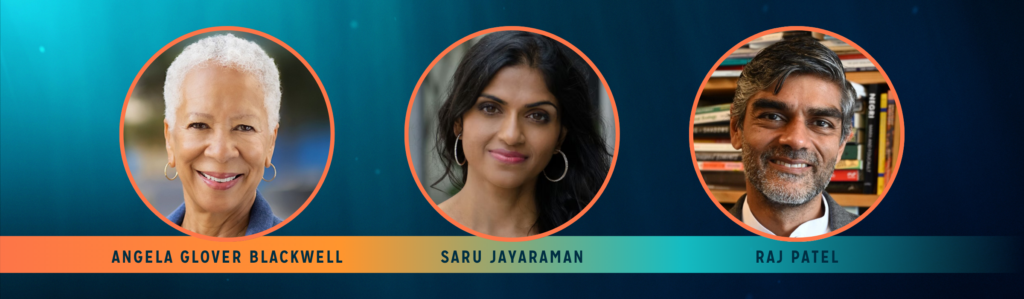
At the Bioneers Conference 2026, labor organizer Saru Jayaraman, policy expert Angela Glover Blackwell, and journalist Raj Patel took that tension head-on — and flipped it.
This Isn’t What Democracy Is Supposed to Do
For decades, Angela Glover Blackwell has worked across issues such as housing, transportation, and environmental justice, but over time, she came to see a deeper pattern behind them all. “It is the failure to understand, to lean into, and to make real the promise of democracy that has kept us from solving these problems.” For Blackwell, democracy is not just a process of voting or representation — it has a stronger purpose. “It is co-governance for human flourishing,” she says. “That’s all it is.”
That definition reframes the entire conversation. If democracy exists to support human flourishing, then it cannot be separated from the conditions in which people live. As she puts it, “You can’t have human flourishing if the people aren’t putting in their two cents…if they’re not telling you what they need.” And yet, the version most people experience falls far short. “The reason that democracy has been so feeble,” she argues, “is because it has always tried…to function for a few, not for the all.”
That gap — between what democracy promises and what it delivers — doesn’t just shape outcomes. It shapes expectations. As Patel observes, participation often becomes “an exercise in which we are being trained to expect less.”
What It Feels Like When Democracy Fails
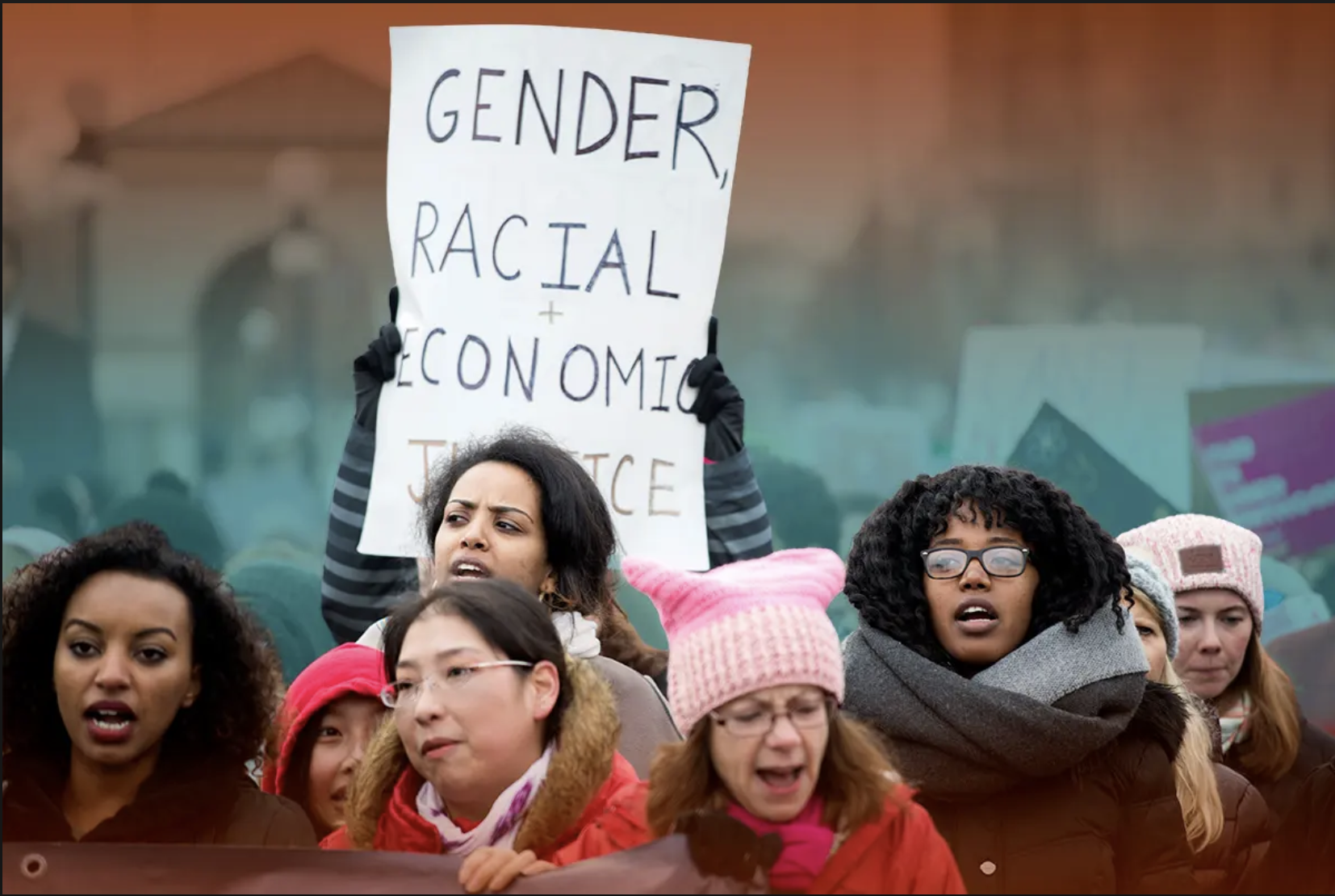
While Blackwell frames the broader vision, Jayaraman grounds it in day-to-day realities. “We’ve been fighting on affordability for decades,” she says, “and the response we’ve gotten…from people with power is: That’s cute. That’s sweet. But we are here to save democracy.” In her work organizing restaurant workers, she has seen how economic pressure reshapes who gets to participate — and how. “Democracy doesn’t work when the majority of people are unable or terrified to come speak up, and then a minority of people are paid to come speak for their bosses.”
She describes a dynamic in which workers are often pressured by employers to attend meetings and oppose wage increases, and in some cases show up to testify in legislative hearings as well. Meanwhile, those who actually need higher wages often can’t risk being visible. “They’re working three jobs and terrified…of showing up with their name and their face.”
In that context, calls to “protect democracy” can feel hollow. Even within the Democratic Party—where support for wage increases is often assumed—Jayaraman argues that meaningful progress is frequently blocked or diluted. “My experience of democracy,” she says, “is Democrats blocking wage increases…because we have not created the consequences for those Democrats.”

The Mistake We Keep Making About Affordability
What the panel makes clear is that affordability and democracy are not separate issues; they are the same fight. Blackwell is direct: “The affordability problem is that we, as a nation, have not invested in human flourishing.” Focusing only on prices — on eggs, gas, rent — misses the deeper issue. “If we think we can separate the absence of a vibrant democracy from the suffering that is happening in this country,” she says, “we don’t understand what democracy was for.”
Jayaraman pushes the same point from another angle, noting that even progressive conversations about affordability often avoid the most obvious lever. “Why are none of even the most progressive people talking about…raising wages?” she asks. “Life will never be affordable unless people have enough money in their pockets.” And beyond economics, she emphasizes what low wages actually do: “When they are paid as little as $2 or $3 or even $15… it devalues who they are. Every worker has value and skill…And everybody…wants to feel like they are contributing to meaning.”
Across both perspectives, the argument converges: Affordability is not just about costs. It’s about dignity, participation, and whether people have the capacity to engage in public life at all. That raises a deeper question: What do we actually mean when we say something is “affordable”? As Patel points out, “There’s a difference between cheap and affordable.” Cheap, he argues, is often “a way of displacing one cost onto someone else…usually the working class and the rest of the web of life.”
What a Real Democracy Would Require
If current systems fall short, what would it actually look like to get this right? Jayaraman’s answer is simple and concrete: “In a real democracy, workers would be able to have one job instead of three. They could show up…They could overpower any lies…And they would be listened to.” That vision ties material conditions directly to political power. Without time, stability, and security, participation becomes limited to those who can afford it.
Blackwell echoes this, emphasizing that democracy must be judged by how it works for those most impacted. “Democracy only functions when it can function for those who have been most marginalized in society,” she says. “That is the mark of a great democracy.” She points to a familiar example: curb cuts in sidewalks, originally designed for people with disabilities but now used by everyone. “When we solve problems with nuance and specificity…thinking about those who have been rendered most vulnerable…the benefits cascade out to everybody.” Building a democracy that works for the most vulnerable, in other words, isn’t a niche goal. It’s the foundation of one that works at all.
Raising Expectations Is the Strategy
So what does it take to move from theory to action? For Jayaraman, it starts with refusing to accept the limits of what feels politically possible. “For so long our side has settled,” she says. “We negotiate against ourselves before we even get in the room. We need to say…what we actually need. Nobody wants less than what they need.”
That’s the logic behind the Living Wage for All campaign she describes, which pushes for significantly higher minimum wages across cities and states. But the strategy is not just about policy — it’s about participation. “If we can give people some hope…they will show up, they will participate,” she says. “Maybe it will get them to one job, and then they can engage on all the issues we want them to engage on.”
Blackwell points to a broader shift that has to happen alongside it. “What we need is transformative solidarity.” Not a transactional version — “you sign my petition, I’ll show up for your march” — but something deeper. “Your issue is my issue,” she says, “because I can’t have the world that I want to live in if all of these things are not addressed.”
Participation Depends on Capacity
Throughout the conversation, there is a clear push to expand what counts as democratic participation. “I get so tired of democracy being either vote or run for office,” Jayaraman says. She points to how, in many places throughout the world, democratic participation extends well beyond voting alone. Ballot initiatives, organizing, public debate — these are all part of democratic life. But they depend on something more fundamental: people having the capacity to engage.
And that brings the conversation full circle. “The glimpse of what happened during the pandemic is the answer,” Jayaraman says — not as a model to replicate, but as a moment that revealed what becomes possible when people have more time, stability, and leverage. During that period, even amid widespread disruption and loss, millions of workers left their jobs, wages rose in some sectors, and many people had more space to organize and engage. “It gives us a glimpse of what could happen if Americans could have one job.”