Leah Penniman – Free the People! Free the Land!
Introduction by bryant terry, artist, chef, publisher and author.
The right to food and the right to land are fundamental to human freedom, dignity, and self-determination, but locally and globally, land and food have been leveraged as tools of oppression. Fortunately, they can also be portals for liberation. Renowned groundbreaking Black Kreyol farmer and food justice activist, Leah Penniman, founder of Soul Fire Farm and author of Farming While Black, offers us living proof that when Land is reunited with her people, mutual thriving can flourish in the form of solutions to climate chaos and food apartheid. Even in this era of intense state repression, community self-determination and solidarity can be foundational to building a powerful movement for land and food sovereignty.
This talk was delivered at the 2026 Bioneers Conference.

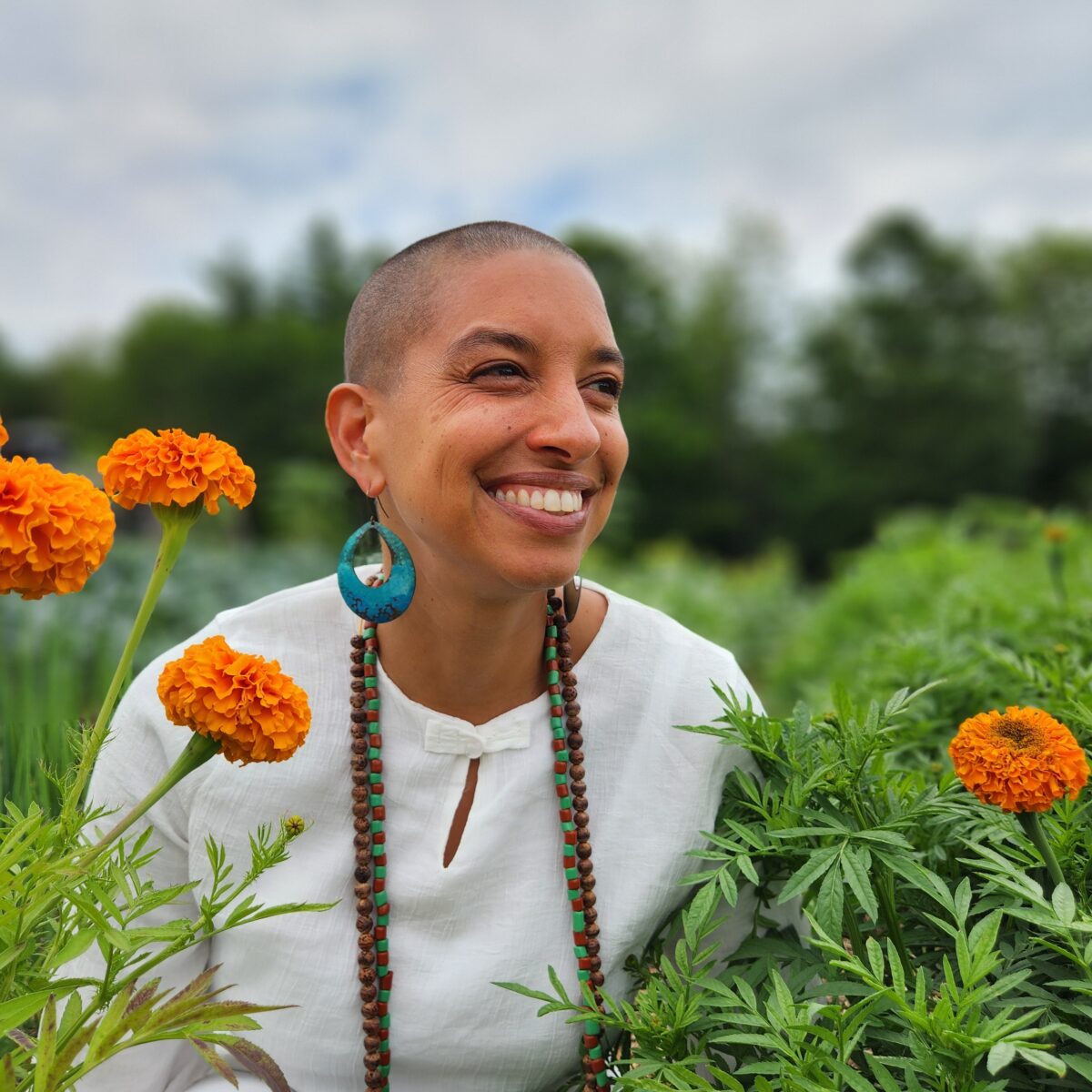
Leah Penniman, a Black Kreyol farmer, author, mother, and food justice activist who has been tending the soil and organizing for an anti-racist food system for 25 years, currently serves as founding Co-Executive Director of Farm Operations at Soul Fire Farm in Grafton, New York, a Black & Brown-led project that works toward food and land justice. She is the author of: Farming While Black: Soul Fire Farm’s Practical Guide to Liberation on the Land (2018) and Black Earth Wisdom: Soulful Conversations with Black Environmentalists (2023).
EXPLORE MORE
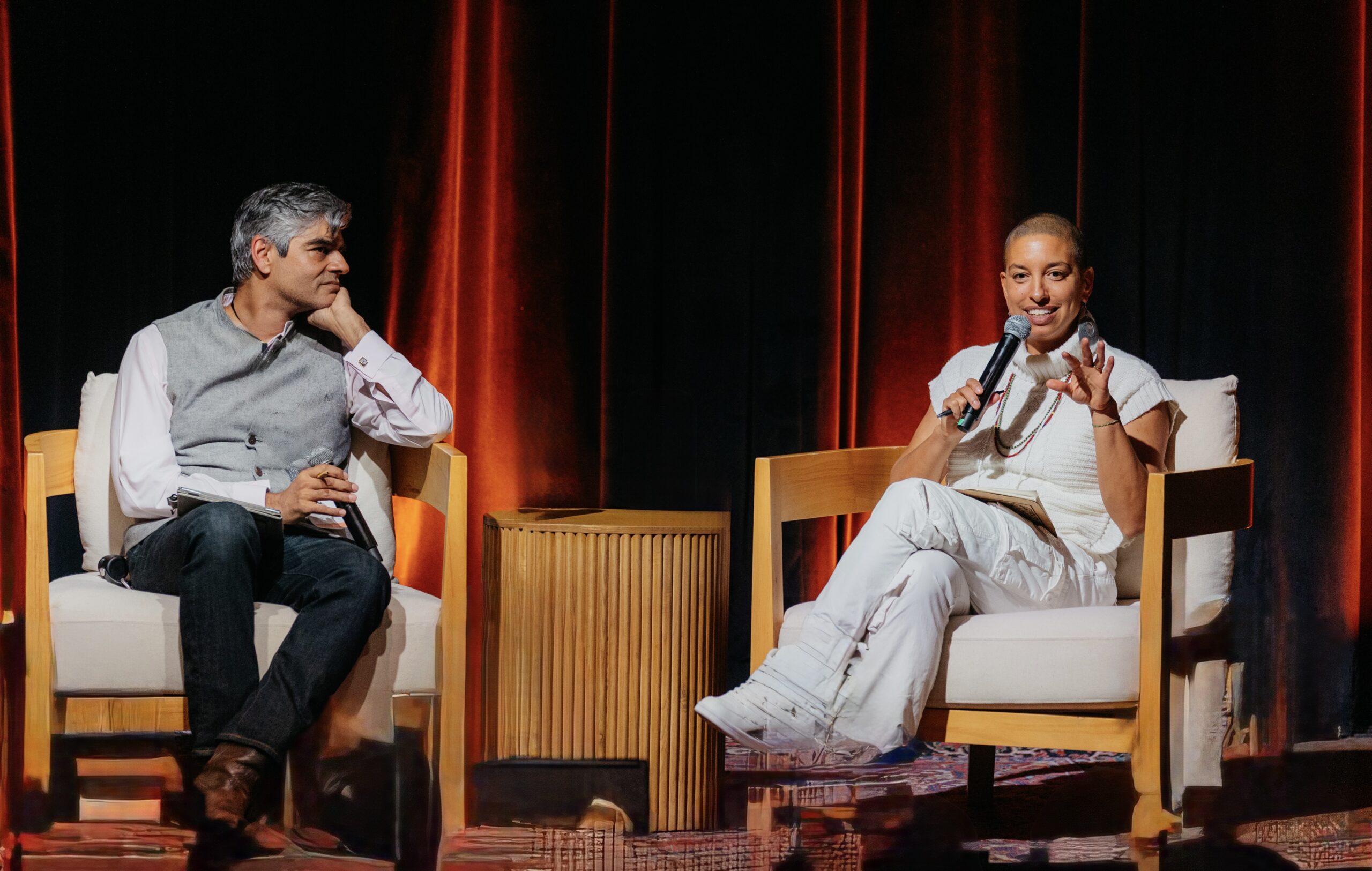
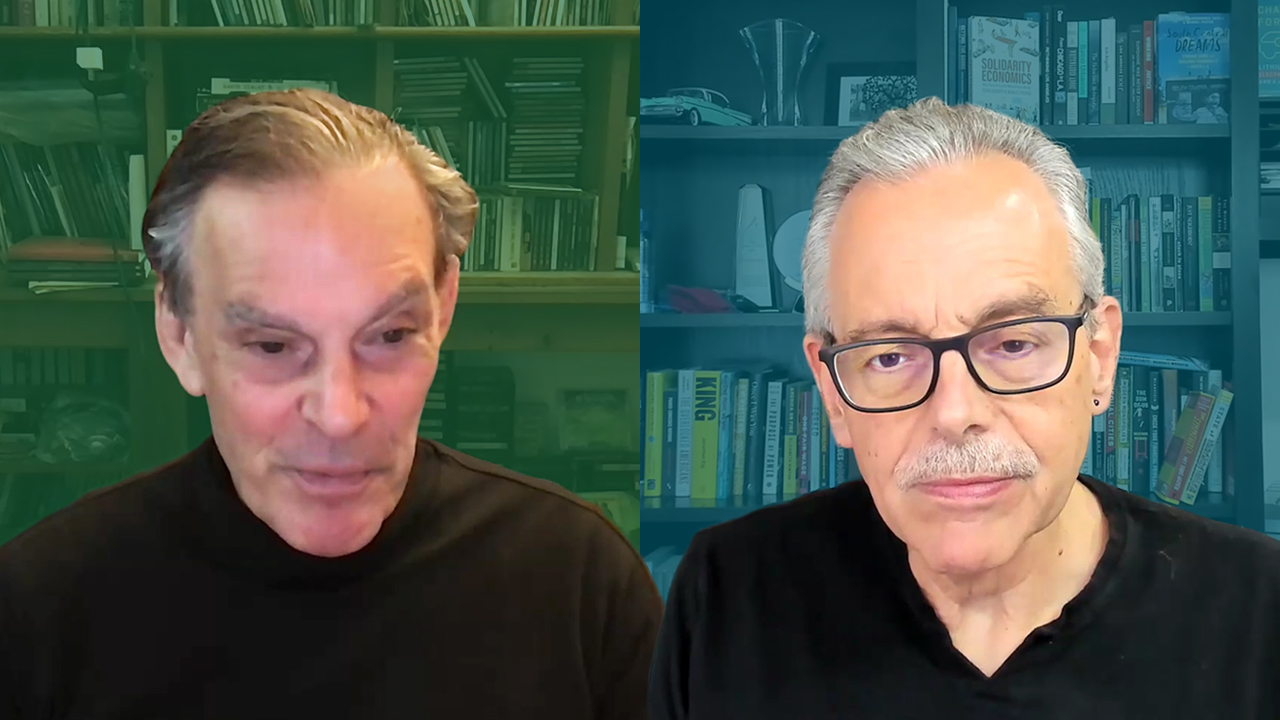
Food Justice from the Local to the Global: A Conversation with Raj Patel and Leah Penniman
Two ground breaking figures in the struggle for an equitable and healthy food system exchange views and strategies on the global polycrisis, capitalism, justice in the food system and food sovereignty.

The Food Web Newsletter
Dive into the Food Web with Bioneers and learn more about how a transformed food system can be a source of community wealth, creative culture, and individual health, as well as a way to fulfill our sacred calling as humans for environmental stewardship.

‘The Seed Was Their Most Precious Legacy’: Why Black Land Matters
Leah Penniman tells how the ancestral grandmothers in the Dahomey region of West Africa braided seeds of okra, molokhia, and Levant cotton into their hair before being forced to board transatlantic slave ships. As expert agriculturalists, the seeds and the ecosystemic and cultural knowledge they represented were their most precious legacy