The Food Web: Disruption, Transition, and a New Beginning
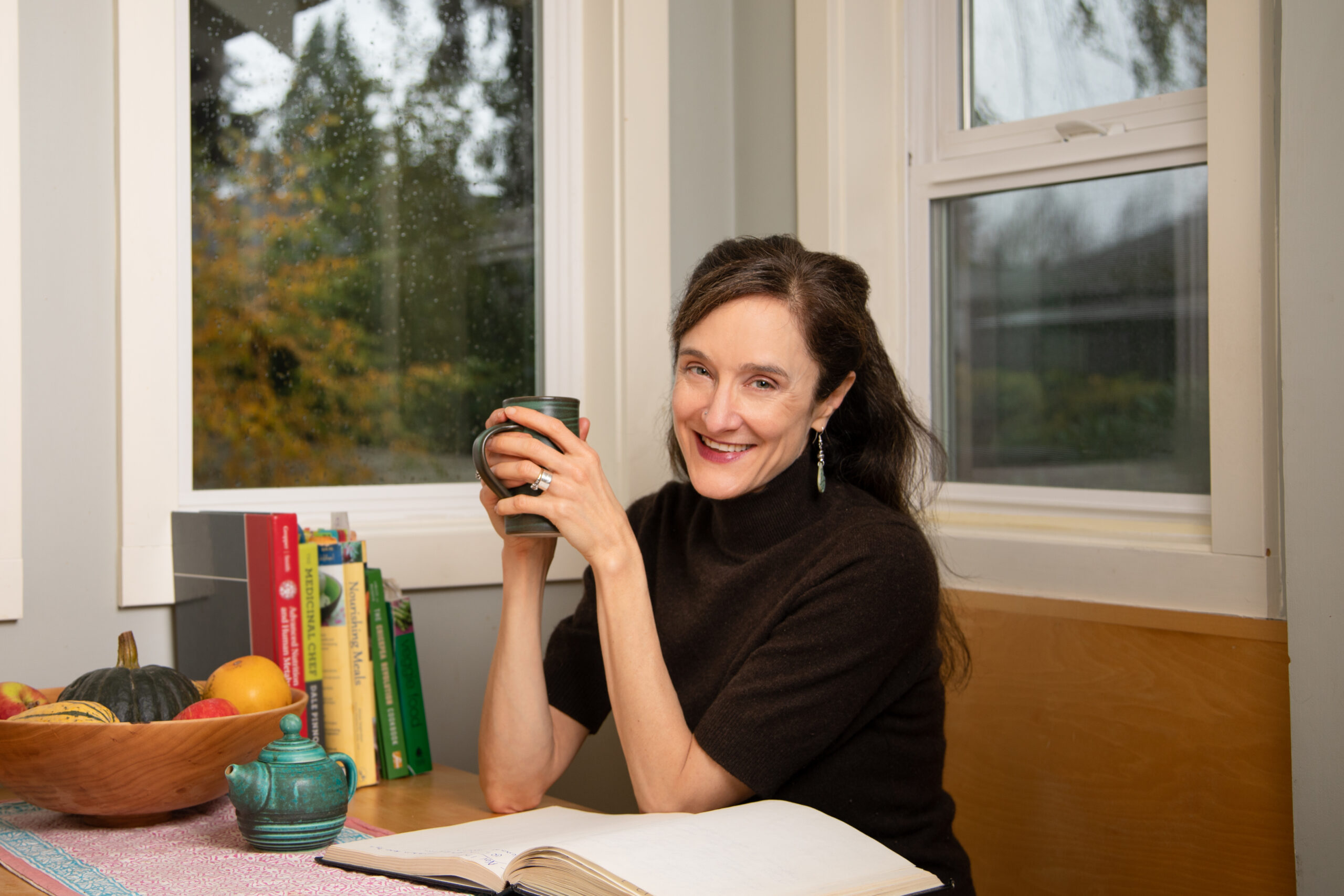
This is an issue of the Food Web newsletter. Dive into the Food Web to learn more about how a transformed food system can be a source of community wealth, creative culture, and individual health, as well as a way to fulfill our sacred calling as humans for environmental stewardship.
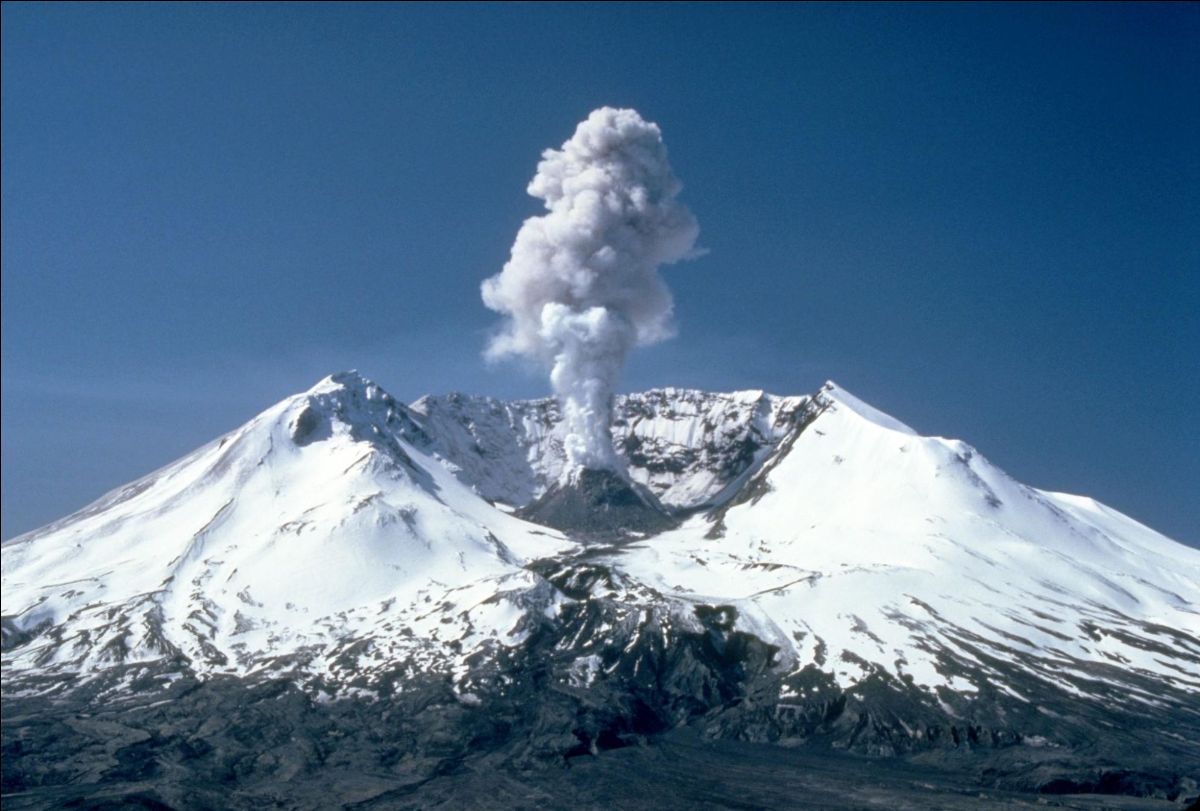
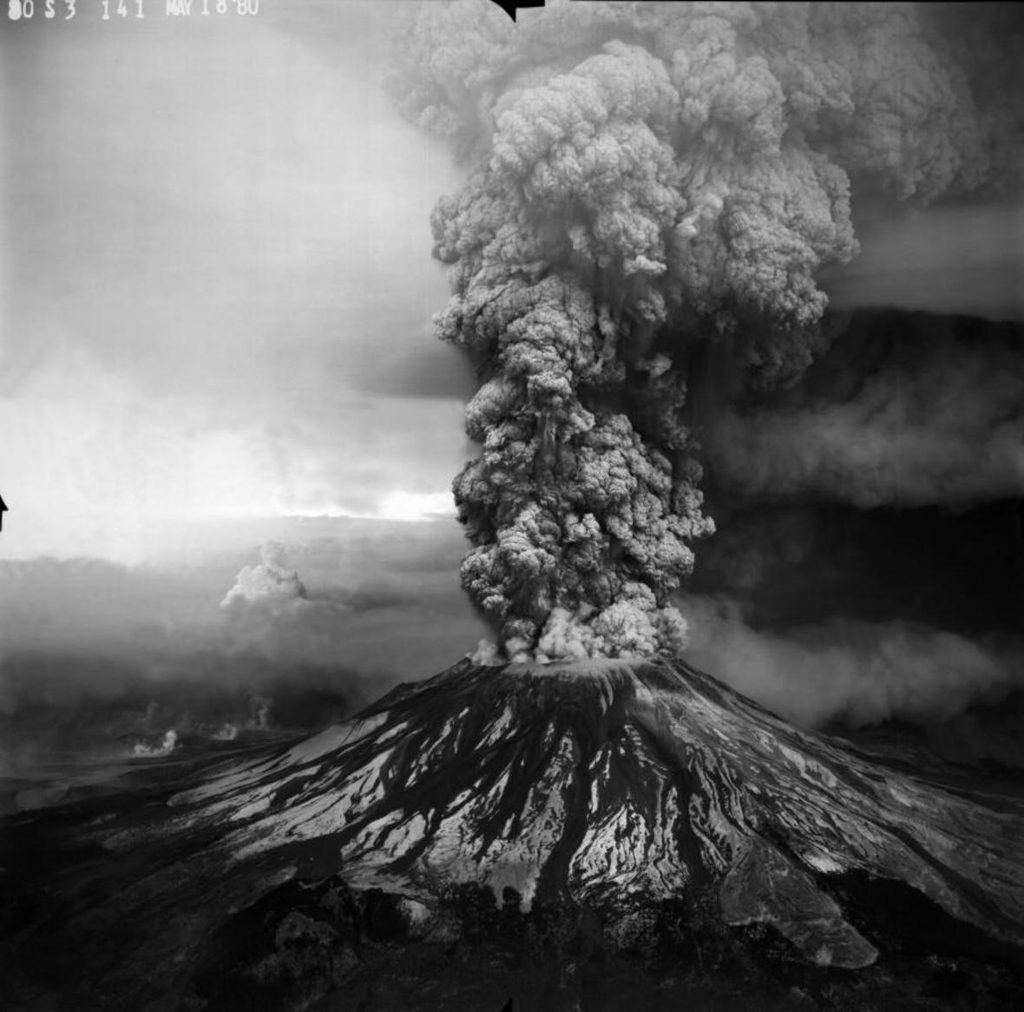
Recently I hiked the area around the base of Mount St. Helens in southern Washington State. In 1980, the mountain was rocked by an earthquake that triggered a massive eruption that blew approximately 1500 feet off its peak, opening up a lava flow that covered 14 miles of the surrounding ecosystem in 10 minutes. Ultimately, 230 square miles were destroyed by the ensuing landslides, glacial ice, lava flows, fires and ash. But, as it turns out, the dramatic finale of one ecosystem was also the beginning of an evolutionary process that developed a new local ecology. The pulverized rock and rubble that exploded from the mountain and scattered randomly created mounds and depressions that over time filled with water. Seeds, carried by the wind from outside ecosystems that were snagged by spider webs, dropped to the ground and took root. Birds flying over the area also contributed new seed species in their fertile phosphorous and nitrogen-rich droppings. 46 years in the geological time of a volcano is a metaphorical nanosecond, but, as it turns out, in ecological time, under the right conditions, it can be enough for a disrupted ecosystem to be completely transformed, as has happened around Mount St. Helens. 150 new plant species now thrive in the area since the volcano erupted. Over 100 new ponds that formed in those depressions molded by the blown-out rubble attract and support abundant wildlife. The scientific consensus is that such intense natural disturbances are crucially important in the promotion of biodiversity and ecosystem renewal.
Dramatic changes occur at the organizational and human levels as well. During a time when Bioneers is undergoing a major transition, the Food Web took a hiatus of a few months, so I could reflect on its direction and purpose. My hike to Mount St. Helens provided inspiration around the themes of transition and transformation. The reality is we don’t know how things may change, dramatically or otherwise, or what new direction that may lead us in. Of course, with transitions there can often be a loss of things, people and/or places we cherish.
In this issue Michael Ableman honors the loss of his friend Wendell Berry and in a separate article reflects back to 40 years ago when he traveled the world photographing traditional agricultural practices. And Rebecca Tickell talks about her latest film on the power and promise of regenerative agriculture.
“[Wendell] Berry’s writing was a salve, it was redemptive, and it ignited a fire in me to continue doing work that while deeply rewarding was all-consuming and not always well paid…… [He] reinforced my belief that reclaiming our roots in agriculture was not some return to the past, but an investment in our collective future.” – Michael Ableman
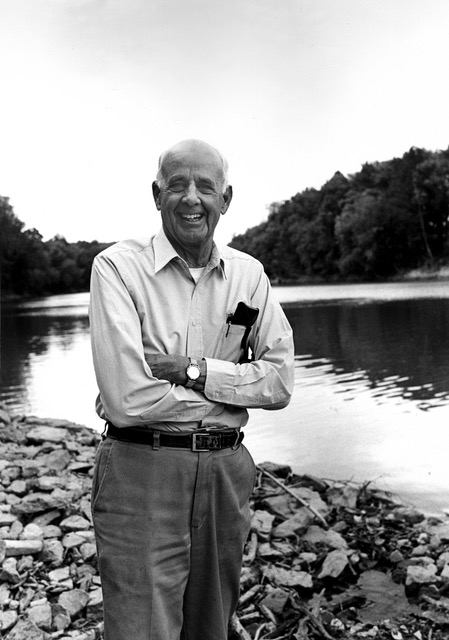
A Sad and Monumental Transition: The Passing of Wendell Berry
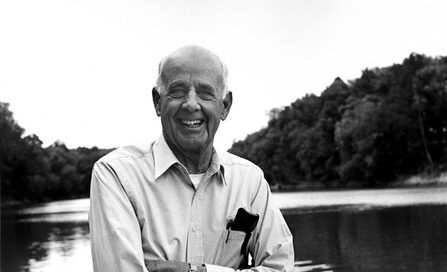
Wendell Berry, who passed away in August, has been an illuminating voice in articulating an ethical agrarian way of life that has helped guide us to become conscious, engaged and enthusiastic citizens of planet Earth.
His elegant and, at the same time, down-to-earth prose in such classics as the Unsettling of America places him in the lineage of Jefferson, Thoreau and Aldo Leopold as a thought leader and guiding light on ecology, democracy and what it means to be human.
Michael Ableman, also a farmer and author, was a longtime friend of Berry’s. In this tribute, Ableman recounts some personal moments from that relationship and how Wendell Berry influenced and inspired him.
From the Good Earth: A Photo Essay of Traditional Agriculture Around the World

In the 1980s on a quest to understand the regionally–adapted ways in which traditional agriculture is able to feed people while tending the health of the land, Michael Ableman set out on a journey to photograph agrarian cultures around the world. The photos from that trip became the basis for the first of his four books, “From the Good Earth.” In this article Michael shares some of the photos from that trip and reflects back more than 40 years, now through the perspective of a master farmer who has since then developed organic farms in California and British Columbia and been the driving force on urban agriculture projects in Los Angeles and Vancouver, BC. Read more.
“The care of the Earth is our most ancient and most worthy, and after all, our most pleasing responsibility. To cherish what remains of it and to foster its renewal is our only hope.” – Wendell Berry
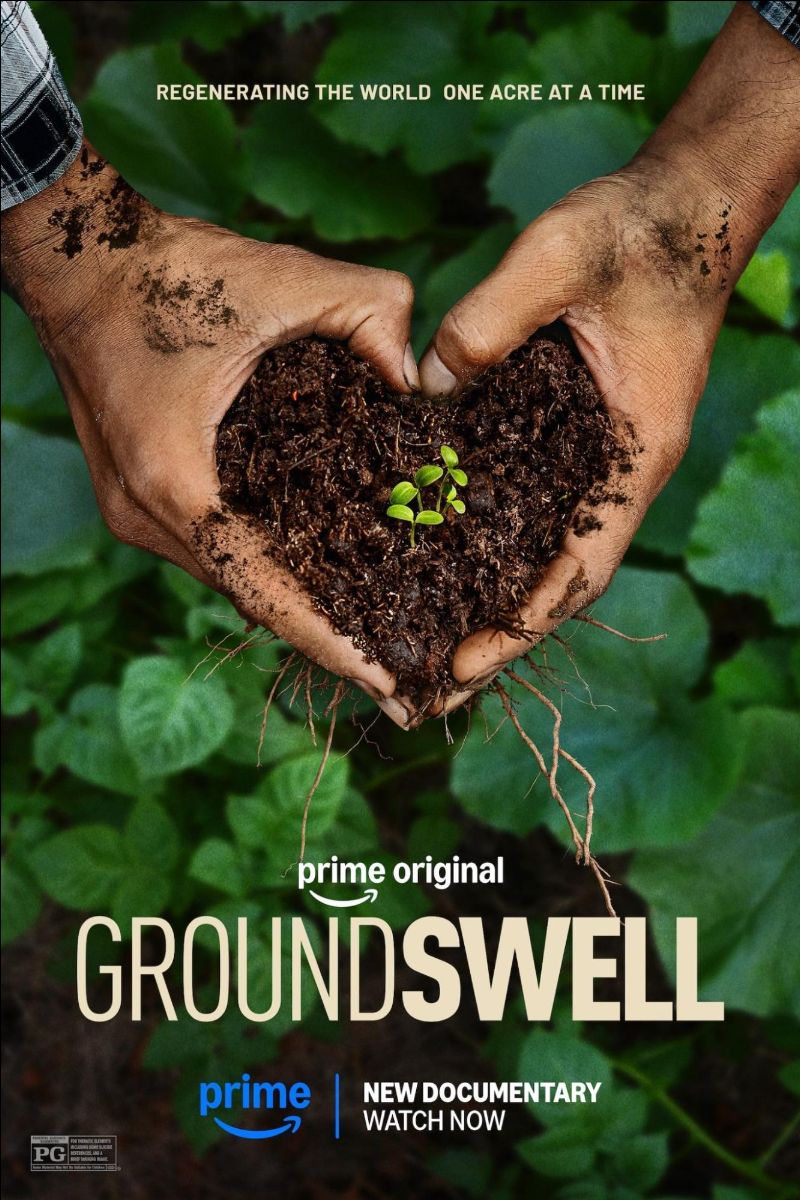
Groundswell
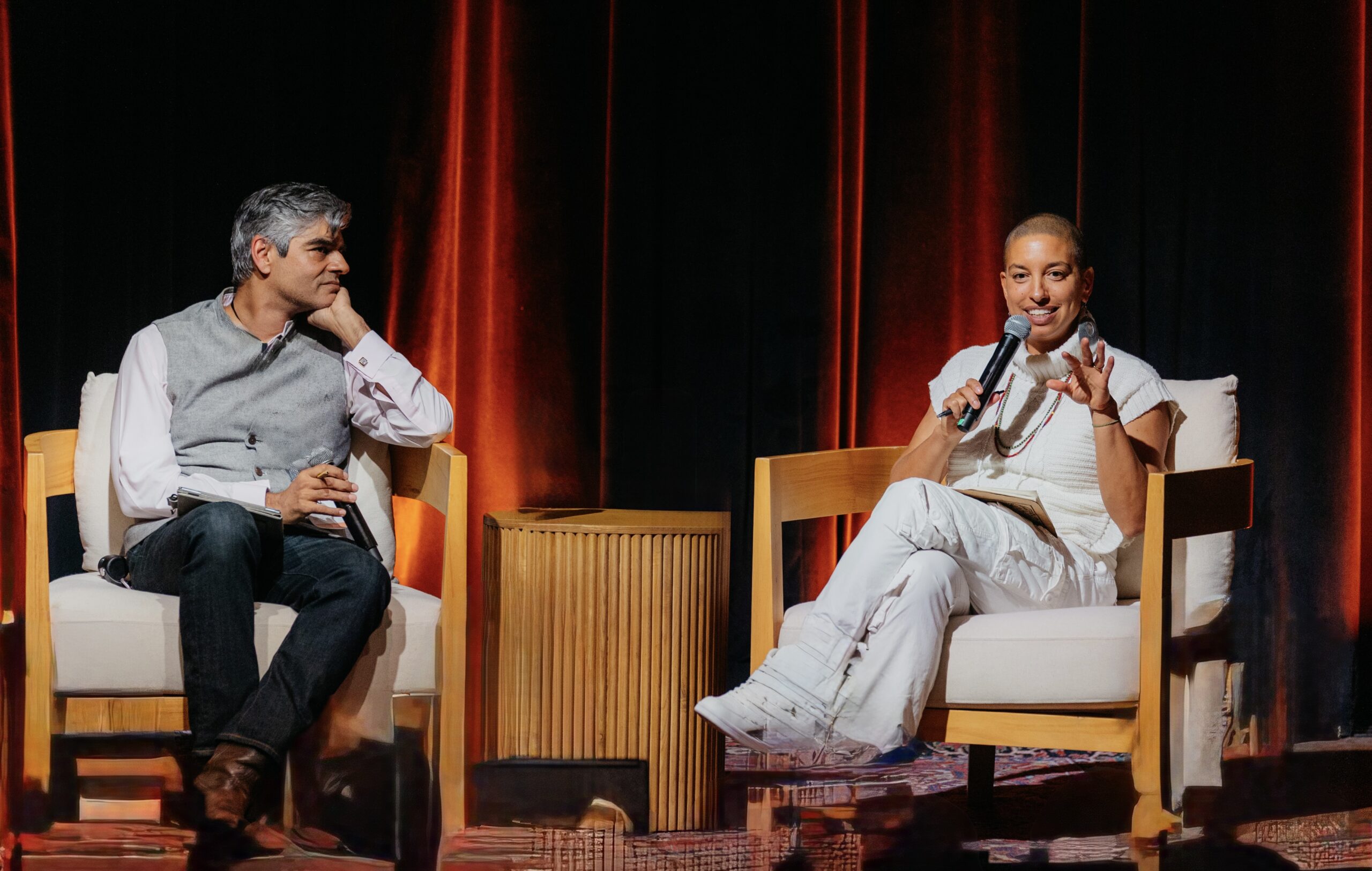
Rebecca Tickell is a documentary filmmaker whose work is an expression of her environmental activism. Her latest film Groundswell, the 3rd in a trilogy of films on regenerative agriculture, highlights the burgeoning global regenerative movement. In this interview, JP Harpignies of Bioneers talks to Tickell about how regenerative agriculture can heal soils and revive the land to help mitigate the climate and biodiversity crises.