Not Fate But Choice: Reinventing Fire for the Clean Energy Era | Amory Lovins

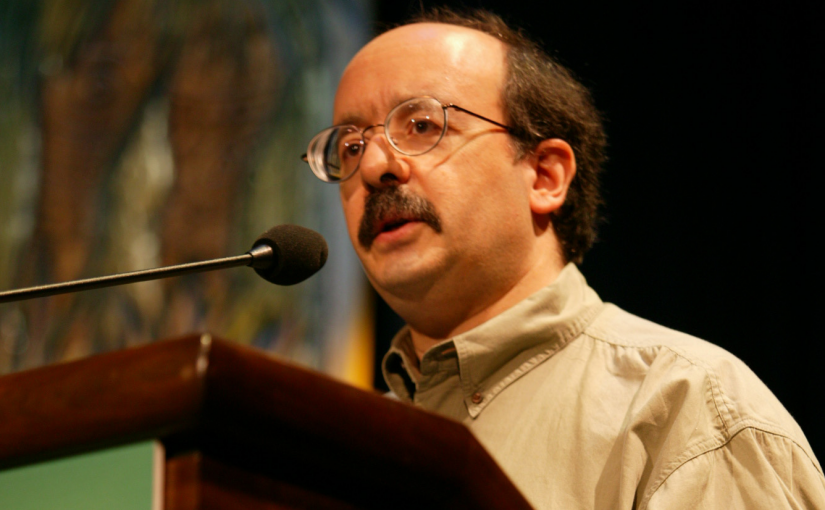
“Humans are inventing a new fire, not dug from below but flowing from above, not scarce but bountiful, not local but everywhere, not transient but permanent, not costly but free, and this new fire is flameless.”

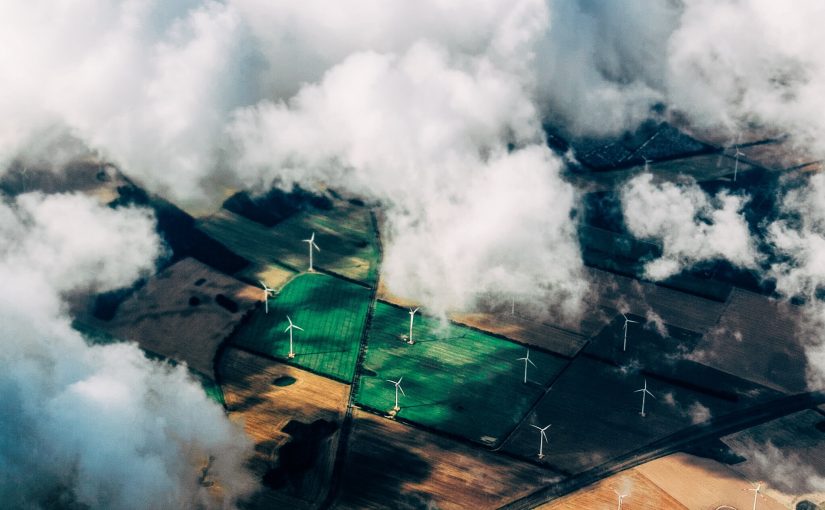
The internationally acclaimed energy and design strategist Amory Lovins shows how by 2050 we can run our energy system with no oil, coal or nuclear power. He says we can achieve that vision with clean energy and energy conservation, led by business, without an act of Congress or any new inventions. By making this transition, we can save more than $5 trillion and double the size of the US economy.

Nature, Culture and the Sacred: Integration and Congruence through Practical Magic

In her new book, Nature, Culture and the Sacred (Green Fire Press, 2018), Bioneers co-founder Nina Simons offers inspiration for anyone who aspires to grow into their own unique form of leadership with resilience and joy. Informed by her extensive experience with multicultural women’s leadership development, Simons replaces the old patriarchal leadership paradigm with a more feminine-inflected style that illustrates the interconnected nature of the issues we face today. Sharing moving stories of women around the world joining together to reconnect people, nature and the land—both practically and spiritually—Nature, Culture and the Sacred is necessary reading for anyone who wants to learn from and be inspired by women who are leading the way towards transformational change by cultivating vibrant movements for social and environmental justice.

The following excerpt is from the book’s final essay.

Many among us are reaching to cultivate our best selves in the most regenerative and effective ways to help heal our ecological and social systems, and shift the course of our ailing world, while also celebrating and enjoying life. My hope is that this offering might prove useful to cultivating your own emergent or evolving leadership.

While some of the chronic biases and injustices of our social systems are increasingly visible to many — across economics, race, environment, gender, class, age, orientation, ability and ethnicity — the harms and violence resulting from them are also escalating. And, as we are also the immune system of the planet, people are mobilizing, thankfully, and acting on behalf of what we care most deeply about.

Now is definitely the time.

That movement-building, however, is still more factionalized than it needs to be, which keeps us from becoming optimally effective. To cultivate our best opportunities to shift our systems, bridge-builders and connectors are needed across all sectors and issue areas to help create connective tissue among diverse yet related communities and constituencies.

And of course, the impacts of our escalating imbalances are not evenly distributed. The harms and violence being felt by some are far worse — due to color, class, nationality, gender, or faith — than for those of us with the privileges that whiteness, wealth or maleness still confer. In the global south, refugees fleeing their homelands due to climate change impacts and violence are increasing, even as white nationalism is spreading. Thankfully, many individuals and communities are stretching and boldly risking much to help alter our course, with approaches as diverse as running for political office, engaging people through the arts, as well as grassroots and movement organizing.

Many more of us now are seeking clarity for how best to develop ourselves to protect and defend what we love. We’re heeding a call to act on behalf of a future where diversity in all its forms is valued for the strength and resilience it can offer, and life’s creatures and living systems can thrive along with our kids and grandchildren.

What’s at stake? Only the capacity of Earth to sustain human life into the future. Many more of us now know that our personal and global health, human rights, peace and freedom — and a viable future and quality of life for humankind — are not only interdependent but are also hanging in the balance.

With all the current challenges of our broken social systems, over the coming years the impacts of climate destabilization will rapidly and inexorably increase the challenges that lie ahead. Potable water and healthy food may become increasingly hard to access, and costly, as droughts and wildfires, tornadoes and earthquakes roil any perceived sense of safety we may have left.

There are no guarantees and we cannot know the outcomes, but I am heartened by my faith that together, with all of our resilience, love and inner knowing, we can “bend the arc of the moral universe toward justice” while we grow our community connections and alternative support systems to help sustain us through the times ahead. One thing’s for sure — we cannot do this work alone. We need the power of collective and community for the work ahead.

I am immensely grateful for the emergence of gender fluidity and the dissolving of old gender norms and identities that are increasingly prevalent among younger people. Life has also taught me to appreciate the unique value of caucus work. When people who identify as sharing a gender convene with others who mirror many of their lived experiences, potent healing and strengthening can happen. This has proven valuable in race and class work, as well as with gender.

I realize that — coming from a different generation — my focus on women and balancing gendered qualities in our institutions and culture may seem outdated to some. If so, I apologize for my blind spots, and ask you to receive these ideas flexibly and with understanding.

For the remainder of my days, I will act toward co-creating the world I want, in collaboration with others who share many of my values. For me, this means working to advance the leadership of women, and all people leading more from their “feminine” aspects and an integrated wholeness of our humanity. It also means shifting our culture to achieve greater gender equity and balance in our institutions, cultures and policies. This is the most comprehensive and systemic way I can see to help us to heal on every level — ranging from the individual to the societal and from the social to the ecological.

I am not alone in this perception. Public awareness, in many parts of the globe, is changing far sooner than governance, policies and institutions. Increasingly, researchers, think tanks and survey data are also proving that the leadership of women — and those who lead in a more gender-balanced way — is our best shot toward shifting our course toward a future that’s Earth-honoring, equitable and vital.

Republished with permission from Nature, Culture and the Sacred (Green Fire Press, 2018) by Nina Simons.

See more from our Everywoman’s Leadership Program >>

Will Mushrooms Be Magic for Threatened Bees?

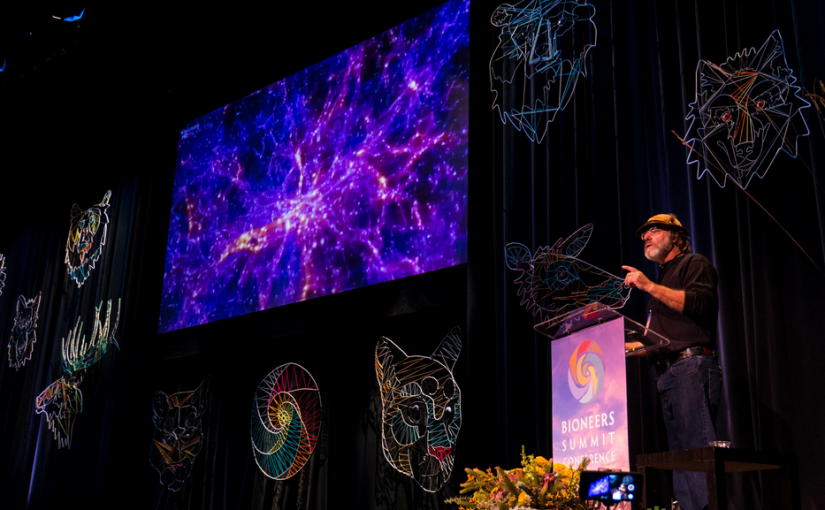
The renowned mycologist and genius discoverer of immunological and bioremedial properties of mushrooms Paul Stamets wrote a recent Op-ed in the New York times discussing breakthrough research he unveiled at the 2014 Bioneers Conference. Since our species emergence from Africa, mushrooms have represented a thread of knowledge – critical for human survival as medicine, fire portability and the regeneration of forests. His latest epiphany is MycoHoney, made by bees that sip mycelium droplets, which prolongs worker bee longevity, detoxifies the hive, and could prevent colony collapse disorder, as well as our own. Fasten your seat belt.

Edna Chavez Is the Voice of a New Generation of Changemakers

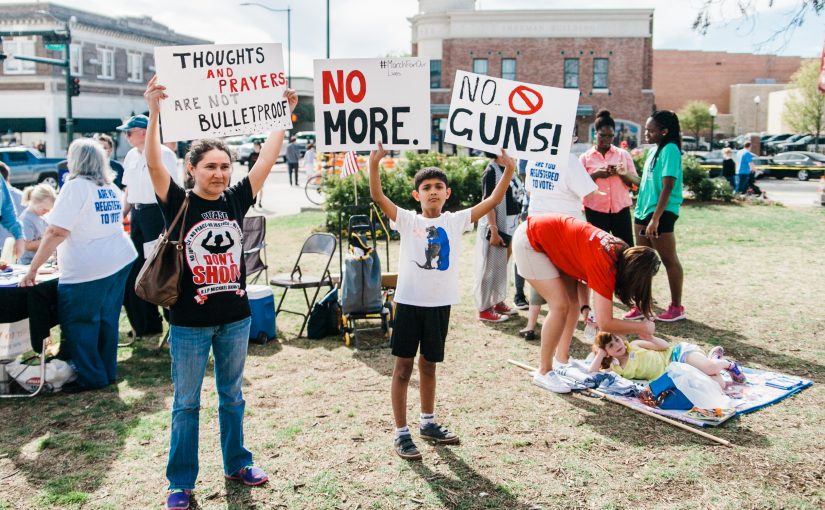
On the brink of the 2016 election, Edna Chavez decided she’d had enough — it was time to fight for what was most important to her: the lives of her friends and family. Growing up in South Central Los Angeles, Chavez has lost many loved ones to gun violence and has seen too many people affected by hateful immigration laws, including her father.

Now 18 years old and an entering freshman at Cal State LA, Chavez is a leading youth activist and a passionate supporter of gun control. She was a key participant in the March for Our Lives and works tirelessly as a student voter registration organizer. Her conviction and willingness to speak for herself and other youth who crave meaningful change have pushed her to the forefront of a generation willing to fight for what they believe in.

In her passionate Bioneers 2018 keynote address, Chavez shares how the pain in her life and the life of her peers have served as motivation. She calls on the older generations and those in office to create room for youth leaders to help move us toward a better tomorrow.

Watch the full version of her keynote address here.

View more keynotes, transcripts, and more from the 2018 Bioneers Conference.


Edna Chavez:

I am from South Central Los Angeles — El Sur de Los Angeles. I am a youth leader, and I am also a survivor. I help students to develop their leadership skills in order to push for policy change, including demanding educational equity in our community.

Growing up in South Central, you face many struggles within yourself and within your community. Watching your parents work day and night, worrying about rent, seeing loved ones go to jail, being scared going to and from school because you might get pressed, shot at, and even harassed. Feeling helpless when your friends get criminalized for taking pepper spray to school for protection – and having teachers and counselors that don’t understand – is why all of this makes it so hard to focus on school.

Everything becomes normal. Generation to generation, you get stuck in that mentality where you’re okay with your struggles. Yet the more stories you hear, the more frustrated you become, the more angry you become. You want to make and see change, and start utilizing your voice to let policymakers know what’s up.

I am here to raise my voice. We are here to raise our voices.

It’s time for a change. Youth are here to help lead the way so we can create a new story, stories of progress and success to improve social, political, and economic conditions in South LA and all communities alike.

Fear kept me from sharing my story until I became a youth leader at Community Coalition. A door suddenly opened for me when Community Coalition helped me to find my power and get involved to impact policies that negatively affect black and brown youth. It was actually a very interesting time for me. I got involved during the 2016 elections, so you can imagine how that went.

I hit the floor running for voter registration. I was door knocking weeks before the election and the day of. It was 7pm and I was asking: “Did you go vote? You’ve still got one more hour, make sure you go vote.”

And it was then, after the election, that my whole world shattered — just like many of my peers — from policies that impacted us, policies that impacted our family, policies that impacted my father, leading to him having to leave us due to his legal status, not by choice, but because of how the system works.

I was 16 years old when I lost my father to immigration. Years before that, I always asked my mother, “Why isn’t Daddy here?” But because of him, I started creating Know Your Rights workshops, making sure that no family member has to leave their family ever again due to their legal status, because we are human. We are family. We are power. We are strength.

I have lived in South LA my entire life, and have lost many loved ones, whether it’s because of their legal status or to gun violence. I have fled from gun violence. When I spoke at the anti-gun rally March for Our Lives in Washington, DC, I was nervous, but also I knew I stood with students and survivors of gun violence from Parkland, Chicago, Detroit, South LA, and all around the country. We shared our stories to make change because we realized enough is enough.

We want more. We want better. We deserve better. Like Dr. King said, “Justice delayed is justice denied” — and we want justice now.

I realize that it’s so important to voice our opinions as young people because we have the power, we know the injustices that affect us and what we want to see for ourselves, our schools, and our communities. We are the ones living it, and so we know better. What I want, what my community wants, what we all want is more restorative justice, resources, funds, programs, mental health programs, jobs, and more. We need to focus on changing the underlying conditions that foster violence and trauma in the first place, and that’s how we will transform our communities and uplift our voices.

It is important for us to continue fighting for these changes, get this message out to people in South LA and across the nation. We must keep the momentum for the changes called for at March for Our Lives and in our daily work with our organizations. We are a movement, and we will not only be heard, but we will create change because we are that change.

We’ve been ignored far too long, and for the first time in many years, all eyes are on us. People need to understand that they need to listen to us. This is our moment as young people, as black and brown youth leaders, to use our voices, to be more inclusive in these conversations, to share our stories, to reclaim our power, and most importantly, to hold policymakers accountable and demand they invest in young people and organizations that are creating spaces for young people to lead.

There will be victories and there will be losses, but we need to continue pushing and continue fighting. We will live in peace and joy. Our time is now. Let’s call on the spirit of our ancestors and the power of our communities to empower us and guide us to a better and brighter future, because those in power need to remember we are the future. Gracias y bendiciones.

May Boeve On Confronting Personal & Cultural Challenges In the Climate Movement

May Boeve knew early on that she wanted to make a difference for our planet. Her passion for climate justice developed throughout her time at Middlebury College, when she first attended a Bioneers conference. It wasn’t long before she knew this would be her career.

After graduation, she co-founded the Step It Up 2007 campaign to raise climate change awareness across the globe. A year later, Boeve co-launched 350.org, an international climate change campaign whose creative communications, organizing and mass mobilizations strive to generate the sense of urgency required to tackle the climate crisis, and she continues to serve as Executive Director for the organization. With the support of social movements and organizations like 350.org, Indigenous Nations and communities have won major victories against mega pipelines across the continent. She is also the co-author of Fight Global Warming Now.

But Boeve, like her fellow climate activists, knows that there’s still much work to be done—not only to stop destructive projects like the Keystone XL Pipeline and drilling in Canada’s tar sands, but also to confront and address some of the uncomfortable truths within the climate movement in order to make it more inclusive and self-aware. In her keynote address from Bioneers 2018, Boeve discusses how she was forced to confront some of these uncomfortable issues head-on, and shares what she considers the way forward.

Watch the full video of Boeve’s keynote address here.

View more keynotes, transcripts, and more from the 2018 Bioneers Conference.


MAY BOEVE:

We are witnessing the dying gasps of the fossil fuel industry and the tyrants they support. We are witnessing the unfolding of a just transition, a new way of making energy. And we may be witnessing a new way of being with and among each other.

The main milestones of my life as a climate activist coincide with Bioneers. This makes me very honored to be here, since what I want to talk to you about today is transformation. I want to tell a little bit of that story.

In 2004, I had a friend crush on a group of rock climber environmentalists, whom I went to school with at Middlebury College in Vermont. I joined them on a veggie oil road trip around the US. It was called Project BioBus. We visited 62 schools across the country giving presentations about climate change.

Project BioBus made a stop at one of the Bioneers satellite conferences in Fairfield, Iowa. We all attended the conference, and everyone thought it was cool—but I was awestruck. Here were my people. There were solar battery chargers everywhere, all the stickers and tote bags I could ever want, and Amy Goodman was the keynote speaker.

350.org launched here at Bioneers in many ways. In 2009, we set out to organize a global day of climate action to show world leaders that we needed a climate agreement that would uphold what science and justice required. Bioneers helped inspire our recruitment strategy. I remember getting goosebumps sitting in this very room when Paul Hawken’s slideshow scrolled the thousands and thousands of names of social movement organizations worldwide through his Wiser Earth Project. We emailed every single one of them to recruit for 350’s first global day of action.

Together, organizers held 5200 events in 182 countries. It was a massive outpouring of support. However, we did not get that climate agreement. A few years later, we were back at Bioneers, recruiting for another day of action, and next October, we will celebrate 10 years.

Confronting the Power Structure

Through it all, I remain a very proud Bioneer, which I define as solutions-oriented, creative, and ever evolving. And I fit the demographic. I’m white, from Northern California, I went to private schools, I’m reasonably new agey. Or at least that was the demographic I remember. Bioneers is changing. And we are changing.

Just as Bioneers, through the leadership of people of color and Indigenous People, like board members Clayton Thomas-Muller and Eriel Deranger, has centered people of color, women, and indigeneity, 350 is attempting to learn this too. The climate movement is as well, and I’m trying to do this myself. Part of that includes understanding the privilege we use to get to where we are now.

Picture a similar group of young people of color doing what we did. Could they have taken time off of school on a bus? Could they have partnered with a major author to launch a global day of action to widespread support? Would people have picked up the phone and donated? Of course they could have, but how much more easily were we given attention and resources?

When I began to realize this, I became somewhat immobilized about what to do with the information. It was especially jarring because as a young woman in this movement, I thought I didn’t have very much power or privilege. It may have been easier to see the dynamic because of course there are inequalities that impact young people and women. I began to grapple with how much power I actually had, and I didn’t feel good about it.

I thought the solution might be to shut our doors. It’s taken a long time, and a lot of allies of color taking time to explain things to me, that I can see the solution isn’t nearly so binary. In fact, staying engaged, becoming more effective in our mission, and becoming a better ally is much harder than throwing our hands up and walking away. It is complex.

But being daunted by complexity is quite a lot easier than, say, being a target of state violence. Yes, it’s challenging to navigate complexity, but walking away doubles down on the same privilege that got us here. Staying in the fight and learning how to do things differently, and trying to build power together to win—this is our task.

The climate crisis is front and center in the mess we are living through right now. The climate movement is a vital part of the resistance when we can see how it connects to everything else. We are in an epic battle to see if we can avoid what we’re on track for, a planet we don’t recognize, a democracy in name only, and a set of relationships among each other and the creatures we share this planet with that are degenerative. It is an epic battle to create a just transition to 100% renewable energy.

As a young activist, I was drawn to that epic battle since it was a story I could relate to. I was desperate to belong to a movement, and to feel that I could do something about all the problems I saw around me, and so I jumped in with both feet and I’m really proud that I did. Perhaps this is true for other white people in my demographic here today.

Climate change changed me. When we started 350.org there were already many people organizing in this movement, but we did not always see them at first. We had a very big, ambitious idea, we could attract funding for it, and I believe in what we’ve been able to do: the trillions divested, the pipeline projects cancelled, the clean energy coming online, the scale, the identity, the worldwide network embedded in our approach.

But in many ways the past 10 years have been about learning how to see differently. We saw a change in climate, a set of organizations who hadn’t solved that problem, and saw ourselves as much-needed, hard-working activists who could finally do something about it. We had blind spots about who was already out here, how hard it is to actually challenge the fossil fuel industry, build coalitions and run organizations. So many organizations and movements have started this way.

What becomes of them now? What is the path to evolve and build power together, and heal the wounds of the past, to listen to those we didn’t see—chose not to see—and sometimes still fail to see today? I think this goes much deeper than the idea of privilege.

The Promise to Protect

I am here to tell our story, to try to be honest, and perhaps clumsy, about finding my own place in a movement where the power imbalances we’re fighting in our campaigns exist among us as individuals. There’s a story that I think encapsulates this nicely—the journey from the Tar Sands Action to the Promise To Protect.

The climate movement was in a lull in 2010. Much hard work had gone to essentially nothing in the form of a cap-and-trade bill, and that may have done lasting harm anyway. We asked: What might revive us in our movement and give us momentum? How might President Obama become a more central character than Congress in the play that is politics?

Bill McKibben started paying attention to the fight against the Keystone XL pipeline, as he so often can sense an idea and a narrative that will rally people around it. We had a good idea. Galvanize the public around a tangible symbol of climate change, shift the zeitgeist, force Obama’s hand and make him be the first president of a major economy to stop a fossil fuel project because of climate change.

So we invited people to risk arrest in Washington, DC. We assembled a team of some of the most skilled civil disobedience organizers we knew, and some we didn’t. And 1,253 people were arrested. It was the first major protest targeting Obama after his election. It’s been exactly 10 years since TransCanada requested the permit for Keystone, and there is no pipeline built.

Our movement did that. It did all these beautiful things. Of course there were also problems. Not all of us knew how to listen to requests, to work differently with tribes along the route. The story that captured public attention did not adequately explain that this fight began with Indigenous Peoples protecting their treaty rights and sacred lands in Canada. Funding poured into our organization to expand our efforts because we had a big profile, despite our late entry into the fight.

I remember one particularly difficult lesson: I was asked to call together a meeting between a coalition of tribal leaders and large environmental groups. I hadn’t prepared very much, and as I noticed, we were running out of time at the meeting. I cut off a core Indigenous leader as she was speaking. She checked me in the moment by reminding me that my people had been cutting her people off for generations, that we’d invented an entirely different definition of time, and wielded it as a tool to silence.

I was so embarrassed, and I could only understand part of what she was saying in that moment. It took me about two years to move beyond my humiliation, let alone apologize to her. It took even longer to begin to understand that this was mostly structural, much less personal. She was drawing my attention to a pattern of power dynamics that need to be addressed at a personal and systemic level. That was just one day, one of many times interventions have been made to teach, and it was one of hundreds we had to encounter, and that our partners were gracious enough to give us to learn. It was leadership of frontline communities, communities of color that have not only created landmark wins in our movement, but also guided our growth.

That intervention had an impact, and it was part of a long journey whose current expression lies in what’s called the Promise To Protect, one of the ways we all can continue to stop Keystone XL. Currently we’re in partnership with Brave Heart Society, Indigenous Environmental Network, Native Organizers Alliance, and Dakota Rural Action. If Keystone is approved, 15,000 people have agreed to come and perform creative resistance along the route. Similar to Tar Sands Action, there will be civil disobedience of an even higher level of risk. But we are in a different partnership this time. This is not the power dynamic from before. If you have not yet signed up, you can do so at NoKXLPromise.org.

The Fight to Move Forward

Time is not on the side of the climate crisis. We all know this. It is devastatingly clearer every single day with each new hurricane, flood, and fire. Is our movement big enough to hold the idea that we are running out of time, but not run away from each other? To hold onto the urgency that animates anyone who believes in something deeply, and the compassionate ability to listen and stop sometimes? I really do wonder, because I’m more comfortable moving fast than slow.

My colleagues are teaching me that being impatient for justice is a gift. Our impatience is needed more than ever, but that’s a lot different from being impatient with each other, especially people who challenge us, people whose perspective doesn’t match our own, and people with different amounts of power. Being impatient with people who ask you to do things differently isn’t the same as wanting to move fast to solve a giant problem like climate change. My colleagues around the world and our movement allies are deep in this work every day.

The Pacific Warriors are invoking and embracing their traditional heritage, dances, songs and ways of being, while they fight the coal expansion from neighboring Australia. In South Africa, the DeCOALinise campaign is just what it sounds like. The coal barons are the colonizers of today, and fighting them engages us with our sister struggles to decolonize culture and defeat white supremacy. In Brazil, 400 municipal fracking bans have been passed by an unlikely alliance of mayors, Indigenous Peoples, and the Catholic Church. These are just three of many stories about change taking place around the world.

There is an unfolding taking place amidst the deep pain of the Trump era. We can all feel it. It leaves a space for the old way to be challenged, and some of that old way lives on in the climate movement.

I would like make a request of all of you: We want to be continually willing to do things differently, we want to stop the worst effects of climate change, we want to see every fossil fuel project on Earth stopped, and the just transition take hold. We want the social license of the fossil fuel industry gone forever. And we need this to happen soon.

We need to build a movement that is massive and that shakes the foundations of power and money and greed that seem to hold all the cards right now.

This isn’t about being called out less by being more careful and doing better agenda planning. We will lose if we don’t address the power imbalances, share resources better, and make sure that those on the frontlines have access to all the resources they need to win. We need massive movements that win, and we must move with grace and patience with each other to build lasting relationships that truly build power.

Plant Intelligence and Human Consciousness: Into the Mystery – Bioneers Conference Panel

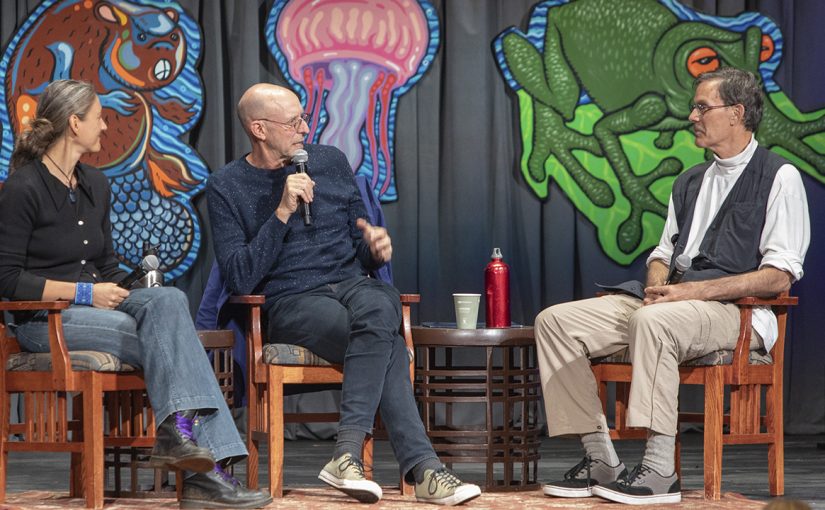
Monica Gagliano has single-handedly pioneered the revolutionary new field of Plant Bioacoustics, which is providing the most powerful evidence to date that plants possess forms of cognition that could constitute “personhood.”

Michael Pollan, who has studied the human-plant relationship in such classic bestselling works as The Botany of Desire, has now turned his attention in his new book How To Change Your Mind to what cutting-edge research on psychedelic substances (which are nearly all derived from or modeled on plant molecules) is revealing about human consciousness.

These two brilliant visionaries engaged in a conversation hosted by J.P. Harpignies, Bioneers Senior Producer of Conference and Special Projects.

Equal Rights Amendment: Time’s Up

Ever since women won the right to vote in 1920, women leaders and their allies have sought to pass an Equal Rights Amendment to drive total equality and justice for women into the U.S. Constitution. It did pass in 1972, but fell three states short of ratification. Today’s next wave of the women’s movement might finally make the ERA a reality. Why is Constitutional protection so crucial? Join leading advocates Joan Blades (MomsRising co-founder), attorney Kimberle Crenshaw and Jessica Neuwirth (ERA Coalition President) to learn the true story of what’s at stake and how life would be different and better for women and men.

To learn more about Kimberle Crenshaw’s work, visit the African American Policy Forum.  You can follow Joan Blades work at MomsRising, and Living Room Conversations. Follow the progress Jessica Neuwirth and others are making with the ERA Coalition.

See related media in our Green New Deal Media Collection.

Kevin Powell: Transitioning from Toxic Manhood – Short Clip

Kevin Powell, a leading figure in the movement to redefine manhood and in contemporary American political, cultural and literary life as well as in the hip-hop arena, is the product of a single mother, absent father and severe poverty in his youth. In spite of those challenges, he has become an acclaimed, prolific writer, authoring 13 books, including his autobiography, “The Education of Kevin Powell: A Boy’s Journey into Manhood.”

In this short clip from his keynote at the 2018 Bioneers Conference, Powell urges men to identify toxic masculinity in their lives and eradicate it.

Watch the full keynote and learn more about Kevin Powell and his work.

Who Is an American? Is Our Democracy as Unequal as Our Economy? – with Heather McGhee

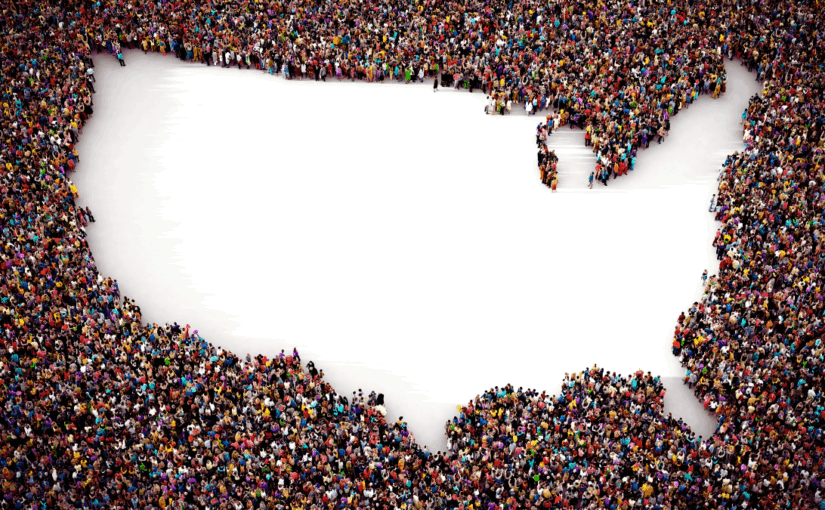
By around 2044, the U.S. will become a majority-minority nation. This seismic demographic shift has triggered a cultural earthquake, provoking a radical spike in hate crimes. In times of massive disruption and economic stress, what Carl Jung called the “shadow side of the psyche” comes into play: the pronounced psychological tendency in the collective psyche is to project these shadow qualities with unusual potency onto whomever people see as “the other.” But is there also a deeper story? Perhaps the question to ask is: Who benefits? In this half hour, we hear from Heather McGhee of Demos. She sees a direct connection between today’s extreme inequality and this peak moment of racial panic and white anxiety.

Elizabeth Dwoskin – Online Privacy and What We’ve Learned About Tech Giants

Elizabeth Dwoskin, the Washington Post’s Silicon Valley correspondent, is that paper’s eyes and ears in the world of tech. For the past six years, she has covered the rise of data-hungry technology companies, online conspiracies, and Russian meddling on social media. She was part of the team that broke over a dozen stories on Russian operatives’ use of Facebook, Twitter, and Google to influence the 2016 presidential election. She’ll shine a light on our growing awareness of the dark side of Silicon Valley, and how that awareness is reshaping public policy, our understanding of democracy, and the way tech is used and built.

Introduction by Joshua Fouts, Bioneers Executive Director.

This speech was given at the 2018 Bioneers Conference. Read the full text version.

To learn more about the work of Elizabeth Dwoskin, visit The Washington Post.

View more keynotes, transcripts, and more from the 2018 Bioneers Conference.

Food from the Radical Center: Plant Midwives

In Food from the Radical Center (Island Press, 2018), Gary Nabhan tells the stories of diverse communities who are getting their hands dirty and bringing back North America’s unique fare: bison, sturgeon, camas lilies, ancient grains, turkeys, and more. These efforts have united people from the left and right, rural and urban, faith-based and science-based, in game-changing collaborations. Their successes are extraordinary by any measure, whether economic, ecological, or social. In fact, the restoration of land and rare species has provided—dollar for dollar—one of the best returns on investment of any conservation initiative.

As a leading thinker and seasoned practitioner in biocultural conservation, Nabhan offers a truly unique perspective on the movement. He draws on 50 years of work with community-based projects around the nation, from the desert Southwest to the low country of the Southeast. Yet Nabhan’s most enduring legacy may be his message of hope: a vision of a new environmentalism that is just and inclusive, allowing former adversaries to commune over delicious foods.

The following is an excerpt from Chapter 7 of Food from the Radical Center. Read an excerpt from chapter 2 here, and read our review of this book here.

Have you ever been hiking and stopped in your tracks to gaze at wildflowers so vibrant and abundant that you couldn’t keep your eyes off of them? Did their delicate petals bring out the color in other lives found around you—the deer, the seed-eating sparrows, the other hikers making their way along the trail?

And was it just their beauty or also their scent—exuded for bees and butterflies—that told you that one day you too might taste this sweetness?

In late May 2017, ethnobotanist Joyce LeCompte offered me an opportunity to see such a sight and take a deep whiff of such a delectable fragrance. We hightailed it out of Seattle early one morning to rendezvous with others at the Glacial Heritage Reserve in the South Puget Sound area of western Washington.

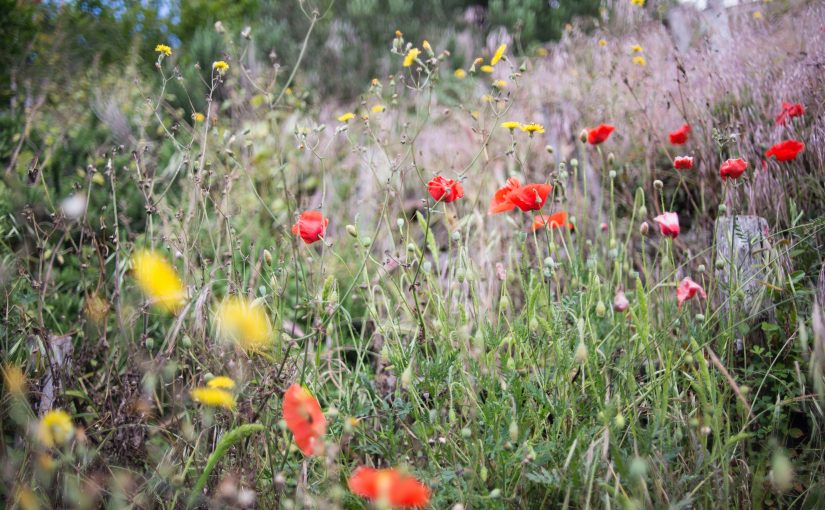
There, the native plant in lavish bloom was the blue camas lily—Camassia quamash—the signature flower of wet prairie meadows in the Pacific Northwest. That spring, camas seemed to be blooming and blanketing the entire meadow in every direction we turned.

As far as our eyes could see, their six-petaled flowers added hues of pale lilac, violet blue, and deep purple to the vivid greens and subtle tans of the open prairie.

If you happened to arrive at the reserve unfamiliar with the restoration project happening there, you could easily assume that it was first and foremost about the restoration of beauty. After all, who could object to preserving the jaw-dropping, heart-pounding natural beauty of this world we live in?

The beauty of camas lilies was not ignored by previous generations of both residents in and travelers to western Washington. As early as the 1850s, camas lily bulbs were being dug up and shipped everywhere from the Atlantic seaboard to England to grace ornamental gardens.

But don’t get me wrong; this camas lily is not just another pretty face to be sent off to Some Place Else. Its ultimate value may lie in its ability to combat adult-onset diabetes among the indigenous peoples of the Pacific Northwest. The complex carbohydrates in camas roots slow the digestion and absorption of glucose, flattening blood sugar levels and potentially reducing stress on the pancreas.

In addition to being a traditional food of great significance to First Nations communities along the Pacific North Rim, it may be a key factor in their future health. More than twenty indigenous cultures in western Canada and the US still tend, collect, clean, and pit-roast its bulbs for special seasonal events. Many of these communities hope that camas can help keep their children free of diabetes.

Of course, some of these intertribal “root festivals” have been taking place for centuries and millennia. But now, the bulbs are being dried and stored for families to eat year-round as one more means to deal with nutrition-related diseases.

Camas is just one of those “cultural keystone plants” that is both deeply intertwined with both indigenous health and the environmental health of the wet prairies. Thus the restoration of camas in wet prairies is linked to the restoration of human health for native communities who live in or near those landscapes.

And that is exactly why Joyce LeCompte of the University of Washington wrote an incubator grant to the Center for Creative Conservation: to bring together amazing women with diverse skills—Frederica Bowcutt (botany), Taylor Goforth (environmental communications), Valerie Segrest (native nutrition), and Sarah Hamman (restoration ecology). Their own goal was to provide technical as well as social support to leaders interested in camas that are emerging in Coastal Salish tribal communities.

The multicultural team set out to restore this landscape with the appreciation that indigenous knowledge, stewardship, and use of these plants matter deeply to neighboring communities.

I doubt that it has escaped your notice, but historically, most “environmental remediation” projects were dominated by men—albeit well-intended men—who inadvertently practiced a top-down management style that echoed the military as a whole and the Army Corps of Engineers in particular.

Under the auspices of “improving the environment” to control floods and stream flow, the Army Corps drained marshes and wet meadows while planting shrubs for game birds and to stabilize soil. That’s exactly what plants like camas lilies do not need.

Few of these environmental engineers were even aware that local women were continuing to take their families out to harvest camas in places like the South Sound Prairies. As shrubs and Douglas firs moved in, camas lilies began to fade away, and harvesting became less frequent.

To reverse historic declines in camas and their traditional uses, Joyce and the other women who cohosted me have formed a multicultural “community of practice” for the edible plants and healing herbs of the South Sound Prairie.

I was heartened to see that these restoration and recovery efforts now involve dozens of indigenous harvesters, healers, and herbalists as well as land managers, botanists, wildlife biologists, fire ecologists, nutritional scientists, and ethnobotanical educators. They exemplify a trend that even the higher-ups in the US Forest Services now embrace: that diverse membership in scientific communities fosters innovation and problem-solving more effectively than communities with a narrow range of knowledge, skills, and experience.

In fact, many of the practitioners are women with a set of technical and experiential skills that ethnobotanist Kay Fowler calls “plant wifery.” Elsewhere in the Pacific Northwest, ethnobotanist Madrona Murphy might be considered one of those “midwives.” As she herself has documented, “Tribes cultivated [camas] in large gardens, subdivided into family-owned plots passed down through the generations. These were fertilized with seaweed, cleared of weeds and stones, and burned to control brush and grass.”

Building on these ancient practices, the women in Joyce’s entourage have initiated what they call “the Camas Prairie Cultural Ecosystems Incubator.” They are like traditional midwives who use plants to help “bring out of the incubator” and into full light fresh ways of engaging with other people and with the land.

Together they have crafted a stunning vision statement: “Drawing on western and indigenous ways of knowing, this project will foster the health of Salish Sea prairies and the wellbeing of people connected to them, through collaborative partnerships based in trust, reciprocity, and respect.”

As I watched this incubator team put their values into practice at the Glacial Heritage Reserve, I sensed that the women involved are first and foremost attentive to camas itself. They teach others that there is a culturally appropriate time to gather camas lily bulbs—when the lower half of the blossoms have begun to fade.

Some First Nations communities stay alert to when it is time to sustainably harvest the bulbs by what they call the “Camas Moon.” They then begin to employ particular tools and techniques for gathering camas—ones that the “plant midwife” team demonstrated with their own digging sticks during our field trip.

When the digging is done properly, the bulbs pop out of the wet soil almost on their own. Historically, a knowledgeable camas digger could harvest as much as a bushel of bulbs a day from a gathering site of a half -acre to an acre.

As some of these Coastal Salish restorationists already know, a traditionally managed gathering site should be cared for by clearing competing woody growth by hand or by burning, by replanting smaller bulbs, and by ensuring seasonal sheet flow of water across the site. They draw upon historic evidence that camas were grown by their ancestors in well- defined, meticulously cultivated populations that they tilled with digging sticks, hoed for weed control, and enhanced with bulbs they had collected from other nearby camas populations.

~

Patrick Dunn—the program director with the Center for Natural Lands Management—fully sanctions the use of these historic techniques and management strategies to bring camas back to their former abundance in the Glacial Heritage Natural Area. There, initial efforts have focused on reintroducing fire and engaging volunteers to thin invasive Douglas firs, which had grown up in the prairie during decades of fire suppression.

This particular restoration effort by the incubator team also has a social justice component. The program gets many of its native plants and seeds from inmates involved in the Sustainable Prisons Project, both reducing costs and building healthy relationships.

To be sure, the Camas Prairie Cultural Ecosystems Incubator team is also committed to human goals; they teach First Nations youth about the healing power and nutritional value of camas. A week after my visit to the camas prairie with Joyce, Sarah, Taylor, and Frederica, they hosted sixty tribal members from nine different tribes for both bulb harvesting and storytelling.

The community is now drawing on both traditional knowledge and Western scientific knowledge to tend camas and restore the land. But unlike in many cases, Western science is not privileged over local, indigenous ways of understanding. Both were welcomed. Even the divide between human and nonhuman nature has shifted.

In the welcoming space that the incubator team provided, some of the participants opened themselves up to different perspectives about plants and people. Is camas not “just” a plant but a sentient being and cultural ally as well? Are the traditional practices of harvesting camas merely “consumptive” or are they “regenerative”? Is wild plant restoration a “scientific management operation” or a “lifelong practice”?

Only when trust is gradually and respectfully built among cultures can such questions be fully explored and the challenges of collaborative conservation be fully addressed. And that is exactly what the Camas Prairie Cultural Ecosystems Incubator team of women has wisely and patiently chosen to foster.

From Food from the Radical Center: Healing Our Land and Communities by Gary Nabhan. Copyright © 2018. Reproduced by permission of Island Press, Washington, D.C.