Seeding Sovereignty and Sowing Freedom: An Afro-Indigenous Approach to Agriculture and Food Security

Before being forced to board the Transatlantic slave ships, African people braided seeds into their hair in hopes their grandchildren would be able to sow their legacy. Today, farm and land ownership remains majority white, whereas farm labor is mostly comprised of Black and Brown workers. This reality starkly contrasts the amount of Black and Brown people who struggle with food insecurity. Honoring the legacy of cultural knowledge braided into the lineage of Black and Indigenous folks means confronting the systems of food insecurity, environmental racism, and climate change that disproportionately affects colonized people.

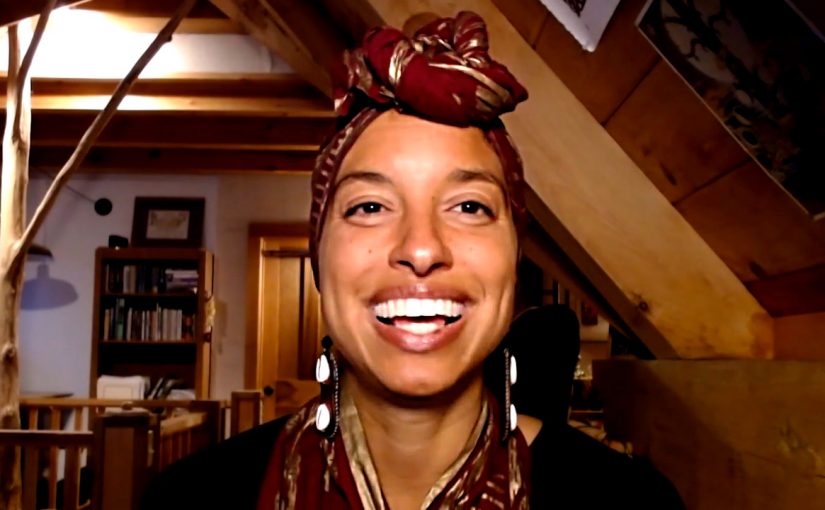
Leah Penniman is the Co-Director and Program Manager at Soul Fire Farm, a community organization that serves more than 10,000 people each year with food justice initiatives, farm training for Black and Brown growers, food deliveries for people affected by state violence, and more. In this keynote talk at the Bioneers 2020 Conference, Penniman traces the impact of colonialism in the development of the agricultural economy and shares how reconnecting with our roots can be a powerful form of healing.

Read an excerpt from Farming While Black here, and learn how to purchase a copy for 35% off!


Greetings. My name is Leah Penniman and I am the Co-Director and Farm Manager at Soul Fire Farm in occupied Mohican territory and I am the author of Farming While Black. My pronouns are li, she, and elle, and I am of Dahomey African, Indigenous, Taino, and European descent. I am honored to talk with the Bioneers community today about our troubled history with land and food, and what we are doing to make that relationship racially just and environmentally sustainable. 

My ancestral grandmothers in West Africa braided seeds of okra, molokhia, and levant cotton into their hair before being forced to board Transatlantic slave ships. They hid sesame, black-eyed peas, rice, and melon seeds in their locks. They stashed away amara kale, gourds, sorrel, basil, tamarind, and cola in their tresses. The seed was their most precious legacy, and they believed against odds in a future of tilling and reaping the earth; they believed that their descendants – us – would exist and that we would receive and honor the gift of the seed. With the seed, our grandmothers also braided their eco-systemic and cultural knowledge. They braided the wisdom of sharing the land and the wisdom of sharing labor and wealth. They braided the wisdom of caring for the sacred Earth, such as the dark earth compost of Ghana, the raised beds of the Ovambo people, and the polycultures of Nigeria.

But when our ancestors arrived on this continent, they tragically encountered a very different system of relating to land and food. Here, the land was not shared but stolen and privatized. Authored by the white Christian Doctrine of Discovery, settlers murdered millions of Indigenous people, displaced those who survived and stole their land. 

Our African ancestors learned that even when they tried to own land, they were punished. Despite the broken promise of 40 acres and a mule after emancipation, Black farmers purchased nearly 16 million acres of land. Almost all of the land they purchase is now gone in part because of white supremacist groups like the Ku Klux Klan and the white caps murdered over 4,000 Black land owners.

Our ancestors learned that even the federal government did not want them to own, or be secure on, land. The US Department of Agriculture systematically discriminated against Black farmers, leading to foreclosures and evictions, which brings us to where we are today. With approximately 95% of the agricultural land in this country being white-owned. 

In this country, it was not just land but also labor that our ancestors found to be exploited. Millions of agricultural experts were kidnapped from their homes across Africa, forced into bondage to build the wealth of this nation. Even after chattel slavery officially ended, the exploitation of labor morphed into new forms, such as convict leasing. Southerners created new laws called the “Black Codes”, which criminalized loitering and unemployment and, as a result, filled prisons with Black people who were rented back to plantations, a system that continues to this day.

The Black people who were not forced onto the plantation through incarceration were trapped there as sharecroppers in a perpetual cycle of debt and poverty. Even today, farm workers are not protected by basic labor laws and do not have the right to a day off, overtime pay, collective bargaining and other protections. Approximately 85% of farm labor is performed by people of color, often undocumented. Today, being a farm owner is one of the whitest professions in the US, while being a farm laborer is among the brownest. 

Our ancestors learned that the food system here was not about honoring the earth, but rather about extracting her resources. Industrial agriculture had burned up 50% of the soil carbon, catalyzing climate change and devastating biodiversity. 

But despite the heartbreak and terror that they experienced, there were those in every generation who remembered the seeds they had inherited and the wisdom carried in those seeds. Cooperative land ownership and cooperative labor were remembered by Fannie Lou Hamer in creating Freedom Farm in Mississippi with other sharecroppers. And by the Sherrods in creating the first ever community land trust in Georgia.

Right relationship with land was remembered by Dr. George Washington Carver, one of the founders of the regenerative and organic agriculture movements, and Booker T. Whatley, one of the progenitors of the farm-to-table movement and diversified small farms. Carver spread the word about caring for soil and community through the first extension agency out of Tuskegee University, inspiring a whole generation of organic farmers in the late 1800s and early 1900s. Right relationship to our human communities was remembered by the Black Panther Party, who fed 20,000 children free breakfasts every morning, catalyzing the public school food programs. And by the Federation of Southern Cooperatives, the National Black Farmers Associated, Land Loss Prevention Project who fought for the rights of Black farmers and farm workers who were struggling to save their land.

When I started farming over 24 years ago, I began to wonder: how could I honor the legacy of the seeds braided into my ancestors’ hair? I wondered if I could help create a farm based on the wisdom carried in those seeds.

In 2010, Soul Fire Farm was born with a mission to reclaim our ancestral belonging to land and to end racism and exploitation in the food system. Once a small family farm and now a community organization committed to this systemic and ancestral change, we pray that the words of our mouths, the meditations of our hearts, and the work of our hands be acceptable to our grandmothers who passed us these seeds.

We got to work regenerating 80 acres of land through Afro-Indigenous farming and forestry practices, we began sharing the harvest of the land at no cost for people impacted by state violence, and we have been supporting families in building their own self-sufficiency gardens. We got to work equipping the next generation of Black and Brown farmers through training, mentorship, and connection to resources. We got to work using the land as a tool, to heal from the trauma of centuries of land-based oppression, recognizing that for many of us the land was the scene of the crime, even though she wasn’t the criminal. We got to work creating natural buildings using straw bale, solar, cob, cluster development and energy efficient design. We put the land into a cooperative, giving nature rights and a vote on the council, and returning land rights to the Mohican people through a cultural respect easement. 

We wondered if one small farm could help make a big change, and we are excited by the progress we’re already seeing in our movement. The regenerative farming practices that we inherited from Carver, Hamer and the Ovambo people.

We have restored the soil here on this mountainside to its pre-colonial levels of organic matter, and increased native biodiversity. We have witnessed neighbors across the capital region of New York pitching in to cover the cost of vegetable deliveries to those in need, allowing hundreds of people to receive a weekly share of fresh food, and seeing the power of localized small food systems that are able to adapt on a dime in COVID to keep people fed. We are seeing thousands of new Indigenous and Brown farmers and food justice activists being trained in 35 states, and the majority of them going on to make powerful waves in the food system. And for the first time since the early 1900s, we are seeing the slightest increase in the number of Indigenous farmers nationally in the Census.

Our alumni even catalyzed a new land trust to share the lands back with people who’ve been dispossessed, as well as a reparations map to return stolen wealth to Earth stewards for their crucial work. And we’re building powerful networks with Black Farmers United New York, Heal Food Alliance, the National Black Food Alliance to get at the root cause of exploitation of the Earth and those who tend and care for her. Together in these regional and national and international networks we’re changing the conversation about food and land.

And folks are finally listening, from presidential candidates to major media outlets, society is waking up to the fact that we cannot have a healthy food system if we ignore racial justice and if we ignore the health of the land. We are in an uprising and a portal to something ancient and new. 

But the question is: Are you willing to carry on the seeds of sovereignty and fight for the rights of all people to carry on those seeds? Or will you let them die out? Beyond the great unraveling, what will you do to weave a world anew?

My daughter, Nashima, talks about the food system as everything it takes to get sunshine onto your plate. Every aspect of the food system – land, labor, capital, ecology, food itself – needs to be infused with justice. And the good news with such a wide arc of possibility is that there are so many right answers about what to do. For some of us, the right answer is reparations; it’s giving back resources to those who’ve been dispossessed. For others it might be renaturation of land to Indigenous people, handing deeds over to tribal governments and Native organizations. For others of us, we might advocate for policy, like the Justice for Black Farmers Act or the Fairness for Farm Workers Act. For others, with purchasing power in our institutions, maybe we’re sourcing from Black, Indigenous, people of color producers, or transferring our institutional resources, power, and dignity to Black, Indigenous, and people of color leadership.

A powerful story illustrates this from the Haudenosaunee community. The people of the Long House were dropping from hunger in the long winter months. Three sisters arrived at their door. One of them was dressed in green, another yellow, another orange. Disguised as beggars, they asked the people for food. And because they were generous of heart, they handed over the last scrapings of their baskets and their bowls to feed these strangers. Touched by that generosity, the sisters revealed themselves as corn, beans, and squash, the basis of the three sisters milpa garden with the corn growing tall and providing starch and niacin for the people, the bean sister winding around her older sister and providing nitrogen for the soil and protein for the people, and squash, laying low on the grounds, shading out weeds and providing vitamins and fats in the seeds so the people would never go hungry again.

The powerful thing is that Indigenous folks of Turtle Island shared this bundle of seed, these three sisters, widely, with settlers who did not have their interests at heart, and did not understand the covenant with these sisters. And we look at corn now, we look at maize, how it’s been pulled apart from squash and beans to be grown in monocultures and monocrops, how this 8,700-year-old synergy of teosinte and Mayan hands has been weaponized, turned into soil-sucking fields, GMO genetic drift, corn syrup, fueling diabetes in our communities, animal feed driving climate change. They appropriated and scandalized our seed heritage, commodified our sacred, violated the law of sharing, and ripped her away from her sisters.

My belief is that the work of this moment is to return maize, both literally and metaphorically, to her sisters, to restore the covenance, to restore the polyculture, the carbon sequestration, the agroecology, and the honoring of our ancient and powerful ways.

I want to close with the words from Pablo Neruda: “Pardon me if when I want to tell the story of my life, it’s the land I talk about. This is the land. It grows in your blood, and you grow. If it dies in your blood, you die out.”

LEARN MORE

Leah Penniman is a Black Kreyol farmer, mother, Vodun Manye (Queen Mother), and award-winning food justice activist who has been tending the soil and organizing for an anti-racist food system for over 20 years. She currently serves as founding Co-Executive Director of Soul Fire Farm in Grafton, New York, a people-of-color led project that works toward food and land justice, which she co-founded in 2010. She is the author of: Farming While Black: Soul Fire Farm’s Practical Guide to Liberation on the Land.

Soul Fire Farm is an Afro-Indigenous centered community farm committed to uprooting racism and seeding sovereignty in the food system. Their food sovereignty programs reach over 10,000 people each year, including farmer training for Black and Brown growers, reparations and land return initiatives for northeast farmers, food justice workshops for urban youth, home gardens for city-dwellers living under food apartheid, doorstep harvest delivery for food insecure households, and systems and policy education for public decision-makers.

Farming While Black: Soul Fire Farm’s Practical Guide to Liberation on the Land

In Farming While Black, Leah Penniman offers the first comprehensive manual for African-heritage people ready to reclaim their rightful place of dignified agency in the food system. This one-of-a-kind guide provides readers with a concise “how-to” for all aspects of small-scale farming. 100% of the profits from this book will be donated to Black Farmers.

Thom Hartmann – All Life Is Organized Around Democracy

Have you ever watched a flock of birds fly overhead and wondered how they all know when to turn and where to go? Or a school of fish, or a swarm of gnats? It turns out that with each wingbeat, each swimming motion, each movement, they’re all voting, and the majority decides. Thom Hartmann, the nation’s leading progressive radio talk show host, bestselling author and among our most penetrating socio-political thinkers, shares his passionate conviction that democracy is the organizing principle of all life, as most Indigenous cultures have been trying to tell us for millennia. He explains how understanding the essence of democracy can give us insight into how we to reinvent our society, from the local to the national level, in ways that uphold the values of life and sustainability, and that can lead to a brighter, profoundly more meaningful future.

Thom Hartmann delivered this talk at the 2020 Bioneers Conference, introduced by Kenny Ausubel.

LEARN MORE

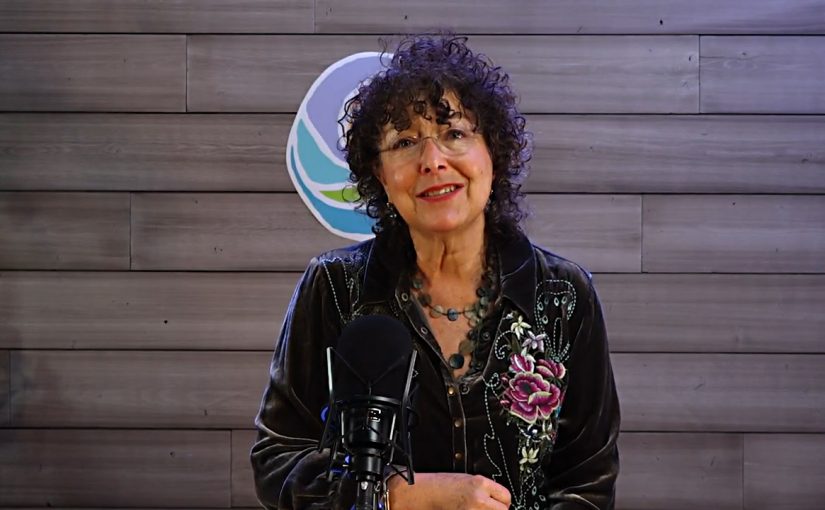
Thom Hartmann, the top progressive talk show host in America for over a decade and a four-time Project Censored Award-winning journalist, is the author of some 30 books, including the international bestseller, The Last Hours of Ancient Sunlight (about the end of the age of oil), used as a textbook in many schools and colleges. Thom, a former psychotherapist and entrepreneur, has also co-written and been featured in 6 documentaries with Leonardo DiCaprio.

To learn more about Thom Hartmann, visit his website.

The Hidden History of American Oligarchy: Reclaiming Our Democracy from the Ruling Class

In this upcoming book, Thom Hartmann traces the history of the struggle between oligarchy and democracy, from America’s founding revolt against British aristocracy to the United States’ war with the feudal Confederacy to President Franklin Roosevelt’s struggle against “economic royalists,” who wanted to block the New Deal. In each of those cases the oligarchs lost the battle. But with increasing right-wing control of the media, unlimited campaign contributions, and a conservative takeover of the judicial system, we’re at a crisis point as real and critical as those we hit in 1776, 1861, and 1932. Thankfully, Hartmann lays out practical measures we can take to break up media monopolies, limit the influence of money in politics, and return control of America to We the People.

The Thom Hartman Program

Airing live nationwide daily (M-F) from 12-3pm ET for over 15 years, Thom’s program explores a diverse variety of topics from a progressive perspective.

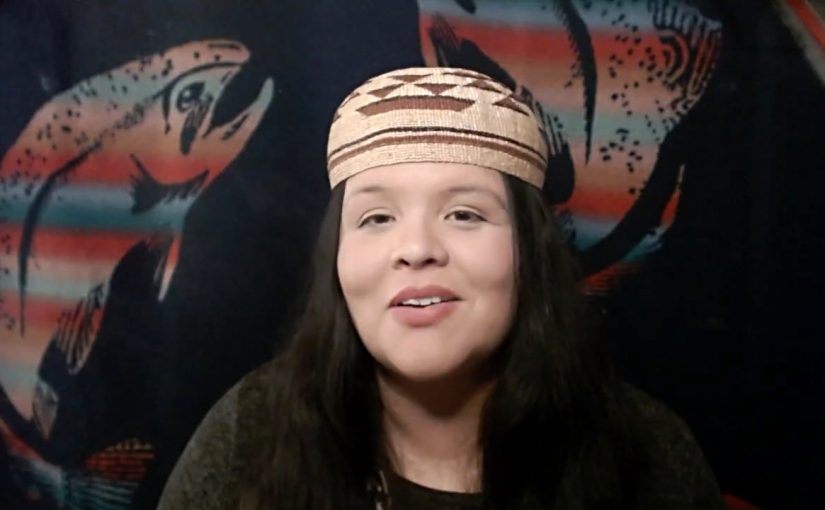
Dr. Cutcha Risling Baldy – Indigenous Voices for Decolonized Futures

Indigenous peoples, deeply rooted in place-based knowledge, are leading the way in developing strategies on how best to approach climate justice and climate resilience. What does climate and environmental justice look like when Indigenous voices are brought to the forefront? How can we move beyond “land acknowledgements” toward meaningful courses of action for our shared futures? In California, climate action plans are drawing from time-tested Indigenous fire and land management approaches; Governor Newsom is launching a Truth and Healing Commission; and across the state, communities are participating in land return to Indigenous nations. Leading Indigenous educator Dr. Cutcha Risling Baldy provides a three-step approach to re-imagining climate and environmental justice in California and beyond, focusing on concrete actions that challenge us to dream better futures together.

Dr. Risling Baldy delivered this talk at the 2020 Bioneers Conference, introduced by Nina Simons.

LEARN MORE

Cutcha Risling Baldy, Ph.D. (Hupa, Yurok, Karuk), Associate Professor and Department Chair of Native American Studies at Humboldt State and co-founder of the Native Women’s Collective, a nonprofit supporting the revitalization of Native American arts and culture, researches Indigenous feminisms, California Indians and decolonization. She is the author of: We Are Dancing For You: Native feminisms and the Revitalization of Women’s Coming-of-Age Ceremonies.

To learn more about Dr. Risling Baldy, visit her website.

The California Truth & Healing Council bears witness to, records, examines existing documentation of, and receives California Native American narratives regarding the historical relationship between the State of California and California Native Americans in order to clarify the historical record of such relationship in the spirit of truth and healing.

LANDBACK is a movement that has existed for generations with a long legacy of organizing and sacrifice to get Indigenous Lands back into Indigenous hands. NDN Collective is stepping into this legacy with the launch of the LANDBACK Campaign as a mechanism to connect, coordinate, resource and amplify this movement and the communities that are fighting for LANDBACK.

The Sacred Land Film Project uses film, journalism and education to rekindle reverence for land, increase respect for cultural diversity, stimulate dialogue about connections between nature and culture, and help protect sacred lands and diverse spiritual practices.

Women’s Climate and Energy Leadership: A Conversation with Dr. Leah Stokes

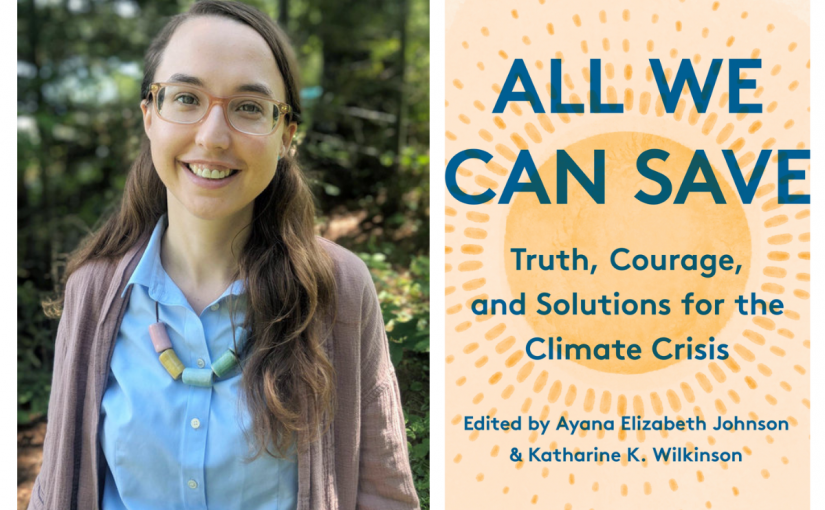
Dr. Leah Stokes is an Assistant Professor of Political Science and an affiliated faculty member at the Bren School for Environmental Science and Management at UC-Santa Barbara, where she works at the intersection of climate and energy policy. Dr. Stokes is a contributor to the recently published essay collection, All We Can Save: Truth, Courage, and Solutions for the Climate Crisis, which features dozens of prominent and impactful women leaders who are transforming the climate movement. Dr. Stokes has also teamed up with the other of the book’s two co-editors, Katherine Wilkinson, to launch a new podcast called A Matter of Degrees.

Teo Grossman, Bioneers Senior Director of Programs and Research, spoke with Leah Stokes about gender disparity in the climate movement, the role of corporate fraud in perpetuating the myth of individual responsibility around climate change and the importance of detailed understanding of energy policy.


TEO: We’re talking today at the recommendation of Ayana Johnson, the co-editor of the newly released book, All We Can Save, in which you have an essay. Would you describe the book, the project, and how you got involved?

LEAH: The climate movement has been dominated by older, white male voices. Those voices have made up a lot of the experts who end up in books or TV or print media, talking about climate change. This doesn’t reflect the climate movement or even people who are concerned about climate change. Overwhelmingly, it’s women who are very involved in climate activism and who are very worried about climate change. 

All We Can Save is an effort to diversify climate media and reflect the diversity that exists in the climate movement. It’s a collection of roughly 60 women who are poets, essayists, academics, activists, writers, artists, all kinds of people from all walks of life. It’s a really beautiful book, including poetry and art. 

Ayana Johnson and Katherine Wilkinson, who co-edited the book, have also launched a nonprofit called All We Can Save, which, among other activities, will give out an award in honor of Eunice Foote, the pioneering climate scientist, which is going to go to women climate leaders to help catalyze their careers. It’s really a whole effort to try to diversify the voices that we hear.

I have actually launched a new podcast, A Matter of Degrees, hosted with Katherine Wilkinson, which also reflects that effort. Sixty percent of our guests are women, and it’s a documentary-style podcast, so there’s a lot of guests. Forty percent of guests are people of color. When we have women telling the climate story, they tell a much more diverse, solutions-oriented and truthful climate story than the kinds of narratives that we often see in the media.

TEO: Your research focus is energy policy. All We Can Save explores on the increasingly central role that women are playing across the climate movement as well as the need for feminine and feminist approaches to leadership within the movement. I’m curious how you see this playing out in your specific niche in the energy policy world.

LEAH: The energy policy space is extremely male dominated. It’s very technical. There are a lot of economists, lawyers, and engineers, and these are not the most gender diverse disciplines or jobs. I often find myself to be one of a few or sometimes the only woman working on these topics or showing up, particularly in the electric utility industry. When you look at the CEOs who run these very polluting, monopoly corporations that we all have to buy our electricity from, they’re overwhelmingly older, white men who take home massive salaries and don’t really act in the public interest. 

There is a need to diversify the energy space because our energy system as it exists now is really toxic. It kills black, brown, and indigenous people by exporting pollution into their backyards. There has not been enough critical thinking around those issues.

TEO: In the essay that you contributed to All We Can Save, you describe your journey into energy activism and then later into research and academia. As I was reading it, I was really struck by your focus on identifying levers of change that can really make an impact.  One of the ways that you illuminate this is by identifying the choices that are actually not available to be made at the personal level. You can’t choose to take a train when the train isn’t there; you can’t choose to purchase renewable energy when your monopoly utility is not offering that option; you can’t sell rooftop solar energy back to the grid unless net metering is legal in your location. 

LEAH: Exactly.

TEO: I think in some ways this is one of the biggest hurdles that the environmental movement has to jump right now. This movement has been historically pigeonholed by some of these same big companies into making this all about individual responsibility. If you look at the history of plastic pollution, that’s the exact story, big companies literally creating the idea of litter.

LEAH: Plastics. Ugh. 

TEO: How does this message resonate with audiences and students when you describe it, because I think a lot of people who care are conditioned to think, “What can I really do?”

LEAH: Yes. Corporations like BP have popularized the idea of a carbon footprint. They made calculators and got us all to think about this as our own problem rather than asking, “How big is your carbon footprint, BP, and what’s your plan to offset it?” Where’s the answer to that question? 

The media has told a very consistent story, which is that climate action is about sacrifice. If you look at the CNN Climate Town Hall earlier this year, which was seven hours of TV mainstream reporting on climate change (amazing and unprecedented), they asked almost every single candidate about hamburgers. Okay? First of all, agricultural emissions are a small slice of this problem. I’m not saying we shouldn’t deal with agriculture, but that’s not even empirically a big slice of the problem. Secondly, that is such a focus on sacrifice and individual behavior change, and it is not the crux of the climate problem. 

If we allow other people to define the climate crisis in this way, we will not be able to build the big tent that is necessary to push through transformative climate action, because shaming people and making them feel guilty is not a great strategy to create an inclusive, giant social movement.

Focusing on polluters, on the lying that they have done, the billions of dollars that they spent on climate denial, is a far more empowering message for people. It helps bring them into the movement, and it helps them focus on the really big levers, which are things like our energy system. 

If we clean up our electricity system and we electrify our cars and our buildings, and half of heavy industry, that’s 80 percent of the climate problem, right there. This is an issue of our energy system, and it’s an issue of what electric utilities are doing, what car makers are doing, what fossil fuel companies are doing, not an issue of whether or not you ate beef last night for dinner.

TEO: I was in a national meeting on climate education where attendees were questioning whether they had collectively done a good enough job teaching climate change. Someone pointed out that we have all been assuming that there is a level playing field to teach on. In reality, climate education has been blowing into the wind, and it’s been a really stiff corporate-funded wind, to the tune of hundreds of billions of dollars. There’s a reason why climate educators feel like they’re not doing a good enough job and it’s not because they’re not working hard enough.

LEAH: We don’t even know how much money fossil fuel companies and electric utilities have spent on climate denial, but it’s enormous. It’s billions of dollars. And the climate movement does not have billions of dollars to spend on our own response PR campaign. We just have people power. We need to be telling the stories about the way that they have been profiting off of climate denial and delay, and imperiling all of our present and future lives, and poisoning Black and Indigenous bodies along the way. 

We have to expose the dark money campaigns and the unfairness, just like Naomi Oreskes and Erik Conway have done so beautifully, not just for climate denial but also for the tobacco industry, how they lied about the link between cigarettes and cancer, and eventually they were held legally accountable. That is the same message that we need to be talking about for the climate issue, because it’s true. Fossil fuel companies and electric utilities have lied about climate change, and they have profited off of that denial.

TEO: Your own book, Short Circuiting Policy, was published by Oxford Press this April. It could be because I’m just a super nerd, but I’ve been hearing a lot about the book, which is an academic volume focusing on in-depth analysis of a particular corner of energy policy.

LEAH: Yes. [LAUGHTER] 

TEO: I find it fascinating, but then that’s the world I come out of. But I don’t think it’s just me. It feels like the book has actually broken out of that academic realm in a lot of ways. 

LEAH: The book has sold very well for an academic book, which means I’ve made zero dollars, but people have read it. 

TEO: What do you ascribe that to? I don’t know the history of academic policy books, but I have to assume that there aren’t that many that have “broken out,” so to speak.  

LEAH: I labored away on this book for seven years by myself. I did a lot of field work, interviewed more than 100 people. In the last couple of years as the climate crisis was getting worse and I saw it in my own community, I just felt useless, “Why am I doing this? No one will ever read this.” We have this urgent crisis and I’m writing this detailed book that will be read by like five people. But it didn’t turn out that way, which is really exciting. It turns out it’s been read by thousands of people, including policymakers, their staff, journalists, students of course, and other academics. We did a book club and hundreds of people came. It’s had a really broad reach. It’s been sold out of its printing many times, which doesn’t say much because it’s an academic book, but it’s been really outperforming any and all expectations. 

I think it’s because I tried to write it in a way that was accessible. I’ve gotten a lot of feedback that people feel that it worked, that I communicated the urgency and the stakes, but that it was also understandable to people. 

Also, climate change more broadly is having a breakthrough moment right now, and people are starting to understand that their electricity system needs to be working for them, that we have to put pressure on our politicians to enact something like a 100% clean electricity standard by 2035. 

I feel like the moment is ripe. I’m riding the coattails of people like Greta Thunberg and Alexandria Ocasio-Cortez. They have really opened up space for so many other women. It’s been really exciting to see these ideas resonating with people.

Orange County, FL, Voters Overwhelmingly Approve ‘Rights of Nature’ Initiative

Originally published as a press release by the Center for Democratic and Environmental Rights.


ORANGE COUNTY, FL: Orange County, Florida, has become the largest municipality in the United States to adopt a ‘rights of nature’ law. Voters overwhelmingly approved the measure, recognizing rights of Orange County rivers and streams, along with a right to clean water for the residents. With nearly 1.4 million people, it is the thirtieth largest county in the U.S., and the fifth largest in Florida.

The measure, known as the “Right to Clean Water Initiative,” is the first in Florida to recognize the rights of nature, and empowers any resident to enforce the rights of waterways and the rights of people to clean water. The measure was endorsed by the Orlando Sentinel and other newspapers, and many organizations, including the League of Women Voters and the county Democratic Party.

Although the first initiative of its kind in Florida, over three dozen cities, townships, and counties across the U.S. have adopted laws which recognize the rights of nature – creating legally enforceable rights of waterways and other ecosystems. In addition, tribal nations have established rights of nature laws and policies. National rights of nature laws have been enacted in Ecuador, Bolivia, and Uganda, and courts in India, Colombia, and Bangladesh have recognized the rights of nature in court rulings.

Chuck O’Neal, the Chairman of the Florida Rights of Nature Network (FRONN) and leader of the Orange County effort, declared, “The people of Orange County have spoken. Our citizens have been empowered with a new right – the right to clean water. Our waters also have new legal rights: to exist, flow, be protected against pollution, and to maintain healthy ecosystems. This vote heralds a new day in Florida in which our waterways are accorded the highest protections available under law.”

Thomas Linzey, Senior Legal Counsel at the Center for Democratic and Environmental Rights, which assisted with the measure, stated, “This is an important step forward in Florida, with the adoption of the first rights of nature law in the state. We look forward to assisting the people of Orange County to enforce and defend this measure, and to helping people across Florida to adopt similar measures to protect Florida’s threatened rivers, streams, bays, and watersheds.”


Contact:

Chuck O’Neal, Chairman
Florida Rights of Nature Network
chuckforflorida@gmail.com
407-399-3228

Thomas Linzey, Senior Legal Counsel
Center for Democratic and Environmental Rights
tal@pa.net
509-474-9761

The Florida Rights of Nature Network guides, supports, and encourages local efforts in Florida to recognize and legally enforce the rights of nature and the right of communities to a healthy environment, through self-government at the city, county, and state level.

The Center for Democratic and Environmental Rights partners with communities, tribal nations, governments, and people around the world to secure democratic rights and the rights of nature in law, including in the Philippines, Australia, Ecuador, Sweden, the United States, and other countries.

Nina Simons – Why I’m Deepening into Indigenous Allyship

In this address from the 2020 Bioneers conference, Bioneers Co-founder Nina Simons shares insights into how she’s navigating this time of loss and dissolution, and then expands upon how her commitments to nature, the feminine and wholeness have led her to deepen her commitment to allyship with Native Peoples.

Sharing examples of learnings gleaned from Indigenous colleagues and mentors, she also describes how she’s coming to understand and appreciate their immense value to all human beings, and to all of our other Earth kin at this time. She closes with gratitude for the leadership of BIPOC women and a prayer for healing.

‘Accessing the Best of Our Intentions’: Joan Blades on Listening and Relationship Building

Joan Blades is a social entrepreneur who’s built her career around bringing people together. Driven by her mediator personality and desire to find common ground, Joan has co-founded initiatives such as MomsRising, a network of parents working toward a more family-friendly America, and MoveOn, an online platform where citizens can mobilize for progressive grassroots campaigns.

Her most recent initiative is Living Room Conversations, a nonprofit based on conversational models specifically developed by dialogue experts to heal divides and promote understanding — a mission that’s more important now than ever before, as our culture and political climate becomes increasingly polarized.

In this interview with Bioneers, Joan shares the benefits of communicating intentionally, nourishing relationships, and coming together to collectively care for the planet and each other.


Joan Blades

BIONEERS: What core values do you have that led you to start your initiatives, like Living Room Conversations, MomsRising, and MoveOn? And have those values evolved over time as your campaigns have?

JOAN BLADES: I’m a mediator by origin and inclination. 

MoveOn is about member engagement and empowering member voices. MomsRising was a very intentional effort to find a lot of common ground because there’s a huge bias against mothers in hiring wages and advancement. It is not because most people hate mothers, so what’s going on? And we did, we found a lot of common ground.

Ultimately, it became apparent to me that there was just a need to go directly at this problem of division. Our media and our politicians have been reinforced for focusing on our differences and not on what brings us together, and that is destructive. We’re looking for interventions, and we’re trying to step into the space where what people want in their lives is connection.

BIONEERS: MoveOn was founded in 1998, emerging before any social media platforms really existed. The first MoveOn petition was about the Clinton impeachment. What role do you think this massively successful online movement-building platform has had in how people speak up for what they care about?

JOAN: The first MoveOn petition was the first petition that moved quite in the way that did. My husband Wes and I sent it out to under a hundred of our friends and family, and within a week we had 100,000 people that had signed it, and we’re like, “Oh, why don’t we do more of that?” It has always been about empowering people to have a real voice in what’s going on. That’s what we learned about doing MoveOn. 

People power is fundamental. I still believe that leaders are sitting on top of the foundation that we create for them. We have to create a foundation for good leaders, for the leaders that we admire and respect. We’re not doing that very well right now. We’ve got this pendulum swinging, and it’s just swinging wider and wider in a path of destruction.

I’m hoping after this election we’ll get a lot of people showing up and saying, we’ve got to stop this. Have we hit bottom yet? It feels like we’ve fallen far enough down to me. Can we please turn this around now? That’s my dream.

BIONEERS: What do you think are some of the signs that we’ll see when we have hit rock bottom? And how can we yo-yo back up from that position?

JOAN: I think the fact that we have families not talking to each other, that’s pretty low, honestly. Since when has politics been more important than the relationship between siblings, or parents and children? That’s seriously bad.

Now some people have found a way to hold that, but others have just walked away. People will tell you that if we want to actually repair things, we have to stay in connection with people we disagree with.

We have to have that relationship. This is about holding those relationships and building new relationships.

BIONEERS: What are some of the practices that you think people can incorporate into their everyday conversations to promote that more constructive process of listening and communicating?

JOAN: Listening is incredibly powerful, and we forget that. 

My question is often: “When’s the last time you changed somebody’s mind who really disagreed with you?” I get very few answers to that. But what does happen when you’re in a relationship with someone, when they care about you and you care about them, is you listen to each other in a different way, and your views become more nuanced, and you care some about what they care about, because you care about them. Just for that very simple human reason, and that’s actually a wonderful reason.

Genuine listening and curiosity are amazingly powerful. One of the things I love about doing the Living Room Conversations is people do these and then they say, “I’m gaining skills here,” and they take those skills out into their lives with them. That’s beautiful.

BIONEERS: What are your views about the hyper-partisanship that we’re collectively experiencing right now, as a nation and world?

JOAN: Hyper-partisanship is something that is intentional on the part of a number of players. For some players it’s a way to gain power, because if we are distrusting each other, we are not effective in dealing with environmental issues and dealing with economic issues. We cannot access the best part of our intentions. We’re living in fear, which causes us to shut down.

We like to think that we are thoughtful, intelligent beings. The reality is we’re first and foremost emotional beings. If we don’t recognize that, bad things happen.

BIONEERS: You seem to have a very optimistic view of the future. What continues to drive that hope forward?

JOAN: Optimism is just healthier. I have kids. I want them to have a good future. If I don’t work on it, if we don’t all collectively work on this, it’s not happening. It’s amazing what we can do if we work together.

And it’s amazing what we can screw up if we fail to work together. I choose to focus on the what-we-can-do side. The other side’s not much fun.

BIONEERS: Tell us more about how you examine your own internal biases, and what other people can learn from that process.

JOAN: I think doing this work causes me to be much less certain of almost everything.

There are a couple of things that I’m very solid on. Everyone deserves dignity. We need to have these relationships. But I’m afraid I can be made thoughtful about a lot of stuff, because I don’t know. People like answers that are black and white, but the reality of the world is multicolored. It’s not even shades of gray — it’s a vast array of colors, and when we reduce it to black and white, we don’t see what’s possible.

BIONEERS: What are some of the issues that our country is facing now that are most personally important to you? And what movements do you most align yourself with?

BIONEERS: I got into this because of climate change. If the world as we know it can’t support future generations and all the beautiful things on this Earth, then many things become secondary. So that’s a top concern. Human dignity, moving toward everyone having that experience of being respected and valued is critical. They aren’t separate; they’re intertwined. 

I have tried to get people talking about nuclear weapons, because people don’t want to even think about them. The reality is they still exist and they’re a huge threat. It’s amazing that we haven’t done horrible things in that realm for 70 years. 

I’m hoping that we can step into the spaces where there are dangers for the world, and we can reduce them. It’s a collective effort, and we’re going to have to really get serious about caring for each other. At the heart of this is caring for each other.

BIONEERS: With this empathy-centric view and all of this progress in mind, what are your short-term and long-term goals as you look ahead with your campaigns?

JOAN: It’s wonderful that I can have a Living Room Conversation with six people distributed around the country. The ways in which our media is giving us access is wonderful, especially at this time of COVID while people are isolated. We have beautiful conversations that are about our deeper values, that allow families, and people that care about each other to connect. That’s wonderful. So we can do that part, but how do we reduce or get rid of the destructive aspects of our world? I don’t have the answer. This is something we’re going to have to figure out collectively.

Jelani Cobb Talks Voter Suppression in the 2020 Election

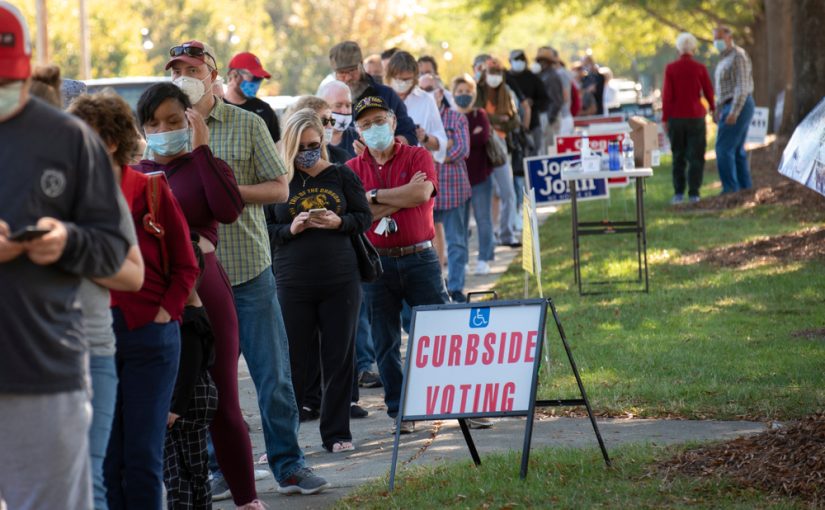
Amidst a global pandemic, the 2020 election is already making history as voters show up to the polls in record numbers. In a new interview with Democracy Now!, Jelani Cobb, professor of journalism at Columbia University, breaks down voter suppression in the 2020 election as many voters are being forced to choose between health and civic duty. Watch a video of that interview below.

Cobb examines the April 2020 Wisconsin primary in his new Frontline Documentary, “Whose Vote Counts,” as a microcosm of American electoralism. The history of Wisconsin as a deeply partisan state that essentially decided the 2016 election by just 22,000 votes exemplifies the larger dynamics of the United States. From gerrymandering, strict voter ID laws and the controversy surrounding absentee ballots, Jelani Cobb illustrates what voter suppression looks like this election season.

Support Bioneers to Continue to Do What’s Needed: COVID-19 Relief Funding in Indian Country

How Bioneers Has Been Supporting Indigenous Communities Hit Hardest by COVID-19

“She is over the moon grateful and said she deeply needed this help.
Tears of joy and gratitude on all sides.”

Ruby Gibson, friend of a COVID-19 Regranting Fund recipient.

How “Indigigiving” Started: Since our inception, Bioneers has been profoundly shaped and guided by the knowledge and worldviews of Indigenous peoples, for which we are unspeakably grateful. Over the past 30 years, our work with First Peoples has been foundational and central, growing into our Native-led Indigeneity Program co-directed by Cara Romero and Alexis Bunten. At the 2019 Bioneers conference, nearly 300 Indigenous people representing over 100 tribal backgrounds participated, including 51 presenters and 125 Native youth. For these kinds of reasons, we found ourselves in a unique position to help move resources effectively and directly to some of those most in need from COVID-19.

Nina Simons, Co-Founder, Bioneers: When COVID-19 began to ravage this country, I was painfully aware of how much the pandemic would harm our relatives in Indian Country, where basic resources like healthy food, water and quality medical care are often scarce, difficult to access and far away. A friend reached out to me with a simple question: she wished to support the protection of Indigenous elders, but wanted to be sure her contribution would reach those in need. She didn’t know where and how best to donate funds.

I knew that between me, Cara and Alexis, our Indigeneity program co-directors, we held so many relationships with trusted friends, culture-bearers, community care-givers and partners that we could together develop some good resources. Once we shared those, people began donating and we found ourselves in a unique position to help channel funds directly to those in need, and help to make a real difference. It’s buoyed my heart over these months to know that we’ve been able to provide some tangible support to ease many relatives’ lives through this difficult time.

This message of gratitude comes from 35 Diné families with a total of 102 individuals, parents, children and more. We all say a heartfelt A’he’hee/Ahex’hee/ Thank you!

Because of your generosity, we were able to purchase a refrigerator, a water barrel, cleaning supplies, produce, food and water for these families, Delivering these items to their homes was essential in keeping these families safe. Thank you for your thoughtfulness, kindness and sense of Love.

Thank you!!!

Sunny Dooley, Traditional Navajo Culture-bearer

Alexis Bunten, Co-Director, Bioneers Indigeneity Program: When COVID-19 reached North America, we knew that it would disproportionately impact People of Color, and especially Indigenous communities. Historically it has been this way, and ongoing structural inequalities ensure it. We rapidly organized to gather impact as it was happening so that we could help. You can learn more about our early response to COVID-19 in Indian Country and read the results of our survey here.

Since we began this endeavor we’ve been blessed to be able to regrant over $165,000. Most of our efforts have been focused on Tribal Nations in the Southwest, whose citizens are in such dire need. Other giving has focused on partners across Turtle Island, to Amazonia, and international Indigenous communities.

With gifts ranging from $599 to individuals and families to larger gifts to partner organizations, we’ve carefully vetted each recipient through personal contact or on the recommendation of trusted Bioneers partners. Our contributors have helped support the lives and health of hundreds of individuals, prioritizing elders, and children. We are deeply grateful for our donors’ understanding, generosity and fierce compassion during this challenging time.

While others may be giving in a similar and decolonized way, yours by far, is more substantive, direct, and impactful. So kudos to all the hard work you and your team have done — my giving would not have mattered as much otherwise!!!

Trea Yip

Cara Romero, Co-Director, Bioneers Indigeneity Program: Our efforts have been profound, effective and heartfelt. Together our experienced and well-networked team is able to quickly identify multiple ways to address lesser-known unmet needs in Indigenous communities facing the devastating effects of COVID-19. These needs are unique, and we have focused on making sure funds and resources are strategically reaching marginalized pockets within the hardest hit regions. We have partnered with friends, organizations and volunteers to place trust and funds with accomplices that have intimate knowledge of urgent needs during this difficult time. From food banks to gas money to groceries to childrens’ books, we have seen our funders’ resources leveraged in meaningful and powerful ways. We know that these funds have made an impact on health and safety, as well as on peoples’ mental health and well-being. It is an honor to work as an extension of our funders’ generosity and transform their philanthropy into justice and caring.

What Bioneers’ Indigi-giving Has Accomplished So Far

We are so very grateful to have been able to regrant funds for COVID-relief Indigenous communities across 4 continents, representing over 25 tribes. We’ve sent direct relief to nearly 100 families, as well as indirect support through partner organizations to hundreds in the US and internationally. The recipients have directly received food, medical supplies, gas money, masks, personal care, heirloom seeds and garden starter packs with a focus on caring for elders and the most vulnerable. We’ve heard so many stories about how our support has helped families to obtain water, keep the lights on, stay warm, eat, and access vital information through technology.

While Indigi-giving has made a life-saving impact for many across the US and worldwide, we’ve especially focused our efforts on our home bases in the Southwest and in California, places that were hit soonest and hardest by the pandemic. We do this to honor the deep and long-lasting relationships we have made and relatives we have in the regions where Bioneers offices and staff are located. And, while we’re so grateful to have given to families and elders where we could, we’re deeply aware of the enormity of the need, ongoing – and would love to do more, or encourage you to give to one or more of the options below.

Take Action: Ways You Can Contribute

LEARN AND GIVE DIRECTLY:

If you are reading this and feeling moved to contribute toward healing the ongoing harms and traumas of racial injustice, we invite you to consider the Indigenous relatives whose land you may live on now, and to explore how you can support tribal peoples in your bioregion at this life-and-death time. This could take the form of donating to a local tribal resource, and learning more about the people who have stewarded the land you live on, often since time immemorial. A list of trusted partners that Bioneers has been working with as part of this project is available below.

SUPPORT BIONEERS:

When this project began, Bioneers responded from the heart, working to do what we knew was needed, offering connections we felt could help.

Small Gifts:

While we wish we could request and regrant small gifts, the reality is that we are a very small staff with limited capacity and it is simply not feasible. To give small gifts directly in support of Indigenous COVID-19 relief, please see the list of partners below.

To contribute at any level to Bioneers whole-system mission to strengthen the leadership of First Peoples, women, youth and diverse leaders, and to shift our course to an Earth-honoring and just future, please click here.

Major Gifts:

We encourage you to consider making a major gift in support of all of Bioneers’ work, as we are struggling to do all we can in support of this movement-building pivotal moment. Bioneers is creating curricula, media and online resources to strengthen activism, organizing and citizen engagement for Indigenous peoples of all ages, women and other leaders who are diverse in every way, young people (and all people) organizing around climate justice, racial and gender equity and regenerative agriculture.

I also want to take a moment to express my deepest gratitude to the anonymous donor for this most generous gift. I hope that she will truly know and wholly take in that she has helped change many people’s lives through her humanitarian outreach, kindness and generosity, including mine.

from an Indigi-giving friend who helped Bioneers to direct support to the families who needed it most

We are also happy to discuss major gifts directly to Bioneers COVID-19 regranting project, “Indigi-giving.” in support of Indigenous communities as we navigate this unparalleled pandemic time together.

We welcome your partnership and investment, as someone who recognizes that now is when Bioneers’ approach to igniting and collecting diverse leadership while spreading visionary and practical solutions are especially needed and potent. Never have we seen a time when people’s minds are more open to innovation and hungry for new visions for reinventing how we live on Earth and with each other.

To learn more about what Bioneers is doing, and explore the possibility of a major gift, please reach out directly to our co-founder, Nina Simons.

TRUSTED PARTNERS:

To give in support of Indigenous peoples relief through the COVID-19 pandemic, these are other resources that we trust, know well and feel great about supporting

Navajo Reservation: Rez Refuge

Amazon Region: Amazon Frontlines and Amazon Watch

Bay Area: Intertribal Friendship House

Northwest: NaAh Illahee Fund

Global: The Flicker Fund from Seventh Generation Fund and the Center for Sacred Studies – Global

Woof Woof, Wanna Play? An Interview with Visionary Astrologer, Caroline Casey

Caroline W. Casey is a Visionary Activist Astrologer, devoted to the principle that imagination lays the tracks for the reality train to follow. Therefore, the cultivation of imagination coupled with the capacity for complex storytelling is a key strategy for personal and collective change.

Caroline has been studying astrology since she was a teen, has a degree in Semiotics from Brown University, and has studied magic, mythology and social activism all over the world. Based in Washington DC, Caroline broadcasts her live weekly radio show, “The Visionary Activist Show“, wedding spiritual magic to ingenious social action to Pacifica station KPFA (94.1) in Northern California, replayed on KPFK in Los Angeles. You can listen to the show live online at KPFA.org on Thursdays at 2pm PT .

Caroline offers Visionary Activist Revivals at a wide variety of conferences nationally and internationally, and is often a crowd favorite at the Bioneers Conference (for over 12 years!). A rousing and frequent speaker, Caroline invites us to imagine, conjure, and implement a more lovingly ingenious world.

www.visionaryactivism.com

Bioneers’ Polina Smith spoke with Caroline about her perspective on the time we’re living in, the role myth and astrology can play in helping us navigate uncertainty, Caroline’s own healing journey, plus much more! Check out interview highlights below or listen to the whole interview available at the end of the article.


The Trickster

Here Caroline talks about the 3500-year-old myth about the trickster- anyone unchallenged will become tyrannical. Let us call on the trickster, who serves to playfully challenge and liberate.

Language Crafting

Caroline tells us that language is magic. Language is power. Language can change the narrative. Let us use our language wisely.

Woof Woof, Wanna Play?

Caroline calls on her favorite tactic of ‘woof woof wanna play.’  She teaches us to not react, but instead respond with aikido like precision to opinions different than our own.  

Caroline’s Underworld Journey

Caroline talks beautifully about her cancer dance, the lessons she learned and her process of healing.

Watch the FULL INTERVIEW here

The United Citizens of America: Coming Together Beyond Party Lines

This article contains the content from the 10/29/2020 Bioneers Pulse newsletter. Sign up here to get the newsletter straight to your inbox!


The 2020 election feels unreal.

Citizens have already cast nearly 70 million early votes, voter suppression tactics are preventing more from being counted, and the nation’s cultural consciousness is shifting amid a pandemic and a reckoning on racism. Not only is this election breaking records, but its surreality is broken by the deep-seated policy implications it holds for the next four years — affecting the everyday lives of Americans on issues like climate change, racial justice, protecting and restoring ecosystems, Indigenous rights and beyond.

Where do we go from here?

This week, we feature visionary leaders who are working to answer the question: How can we come together and redesign a more just and equitable democracy for all?


‘Accessing the Best of Our Intentions’: Joan Blades on Listening and Relationship Building


Joan Blades is a social entrepreneur who’s built her career around bringing people together. Her most recent initiative is Living Room Conversations, a nonprofit based on conversational models specifically developed by dialogue experts to heal divides and promote understanding — a mission that’s more important now than ever before, as our culture and political climate becomes increasingly polarized.

In this interview with the Bioneers team, Joan shares the benefits of communicating intentionally, nourishing relationships, and coming together to collectively care for the planet and each other.

Read more here.

Joan will be leading a live, interactive Living Room Conversation at the Bioneers 2020 Conference. Register now to save your spot!


Jelani Cobb Talks Voter Suppression in the 2020 Election


What does voter suppression look like this season? While citizens are already forced to choose between health and civic duty, journalism professor Jelani Cobb names some other insidious forces at play — gerrymandering, strict voter ID laws and the controversy surrounding absentee ballots — and who benefits.

Watch the interview here.


Activism, Justice and Human Rights at the Bioneers 2020 Conference


As we challenge our world’s outdated systems and institutions, we must seize the moment to rebuild a more equitable and regenerative world together. Join the Bioneers 2020 Conference for programming around activism, justice and human rights, where a diverse coalition of leaders will share their wisdom and invite you to join the movements that are shaping our world for the better — such as Indigenous allyship, climate action, women’s leadership, and more.

Browse the full list of programs here.


Democracy Unchained: The Moral Foundations of Democracy


The State of American Democracy Project seeks to strengthen democratic institutions by igniting an honest conversation on equality, justice, tolerance and fairness. This is the first episode of their ten-part conversation series, where political thought leaders explore the moral foundations of democracy as the most certain way of defending the dignity of all citizens.

Watch the full episode.


Moving Forward Together: Political Peace Building Conversations


Our friends at LivingRoomConversations are hosting Moving Forward Together, a two-week series of election-focused conversations for people to come together and share hopes and concerns, to process grief and anxiety, and to relate and build understanding even across political differences. This conversation series will run through November 9.

Learn more about how to join here.


What We’re Tracking

  • From the producers of Making Contact: “Unblock the Vote 2020” | This podcast episode explores voter suppression in Native communities and the political battle to restore the voting rights of more than 6 million convicted felons.
  • From Yes! Magazine: “How to Stop a Coup” | “As election results start coming in, the message needs to come through loud and clear: Count all the votes and honor the result.”
  • From the Schumacher Center: “Of Corporations, Law, and Democracy” | Thomas Linzey, Bioneers 2020 Conference speaker and Senior Legal Counsel at the Center for Democratic and Environmental Rights, writes about how corporations influence democracy to prevent meaningful action on environmental protections.

This article contains the content from the 10/29/2020 Bioneers Pulse newsletter. Sign up here to get the newsletter straight to your inbox!

Through the Pandemic and Fire, Pie Ranch Focuses on Food Justice

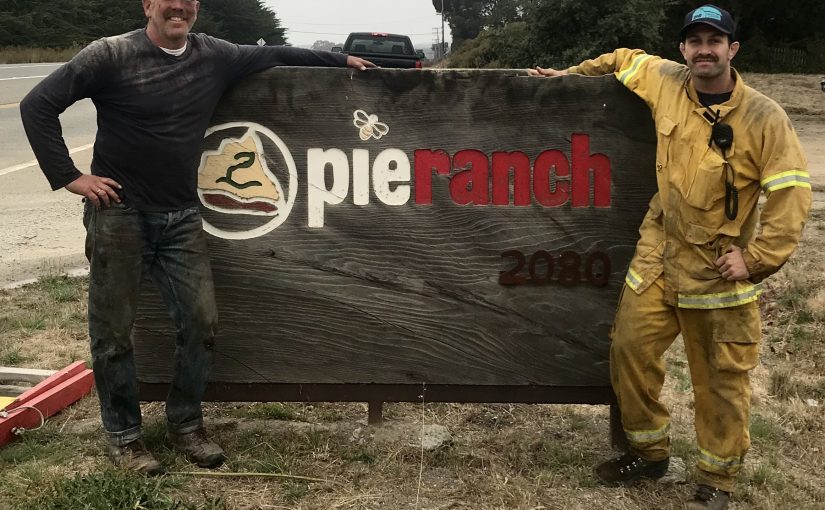
Pacific Coast Highway 1 between Santa Cruz and San Francisco is a beautiful stretch of road. On the coast side, steep eroding bluffs drop to flat sandy beaches pounded by rough surf and high waves. Along the highway there is amazing windsurfing at Waddell Creek and world class surfing at Mavericks. Año Nuevo State Park is one of the largest mainland breeding colonies of northern elephant seals. On the inland side of the highway, the coastal prairie is bordered by the steep canyons and mixed redwood forest of the Santa Cruz Mountains. The region is also home to a long-standing farming community growing Brussel sprouts, organic strawberries, Halloween pumpkins and assorted other crops. South of the town of Pescadero, you can’t miss the “Slow for Pie” signs signaling the approach of Pie Ranch. The coffee shop, located in a historic barn, is known for its fresh apple and berry pies and organic produce.

I visited Pie Ranch in August prior to the CZU Lightning fire that burned over 86,000 acres and destroyed about 1000 homes. Pie Ranch did not escape the fire unscathed, but on the day that I visited, the main topic was adjusting to the pandemic that has restricted so much of normal life. I was met in the parking lot by Jered Lawson. Jered and his wife Nancy Vail co-founded Pie Ranch in 2004 with a commitment to use the ranch in ways that advance social justice.

In a 2015 interview at a Stone Barns Center conference, Jered said, “Remember every inch of soil in this country was stolen from Indigenous communities, and people were stolen from Africa to make the USA what it is today. Racial justice and food and farming are inextricably connected; the act of farming has the potential to heal these wounds that affect all of us.”

With that in mind, Pie Ranch has developed a relationship with the Amah Mutsun Tribal Band, giving them access to the land for ceremony, to teach native land stewardship, and to establish a native plant garden.

 In that same Stone Barns interview, Jered also said: “If you are white, find out how to do the dance of stepping back, and allow yourself to be guided by the voices of people of color while also stepping forward to use your voice to lift up love and justice.”

 The Pandemic Forces a Pivot

With the pandemic, all of Pie Ranch’s onsite education programs that served urban and underprivileged kids had to be cancelled. Their main markets–restaurants, bakeries, and the Google and Stanford campus kitchens–were disrupted. One of the ironies of the current crisis is that at the same time that farmers were becoming desperate for markets, the COVID-19 pandemic was leading to an unprecedented number of Americans experiencing food insecurity due to the dramatic rise in unemployment. An estimated 1 in 5 U.S. households don’t have enough to eat.

Forced to pivot from normal business activities, Jered saw an opening: “The pandemic laid bare the vulnerabilities of a more centralized, globalized, food system. Larger scale farms were plowing under perfectly edible food because their distribution channels had been disrupted. They lost large institutional buyers such as schools and hospitals and companies that provide meal programs for their employees. Smaller and medium-scale farms that had direct relationships to a restaurant community lost those customers. Suddenly there was a need to provide new ways of connecting farms and the communities that had previously been eating food provided by those institutions. At the same time, there were a lot more newly unemployed people looking to food banks and other sources of emergency food. Food banks were overwhelmed and unable to respond to that sudden increase in demand. We saw an opportunity to leverage our infrastructure to aggregate product from local farms and pack boxes with a nice mix of fresh produce and make them available to communities experiencing food insecurity.”

Jered Lawson inspects food boxes for the Farm Fresh Food Relief Initiative

Pie Ranch partnered with Fresh Approach to launch the Farm Fresh Food Relief Initiative to feed food-insecure people along the coast and in the Santa Clara Valley. With USDA funding and private donations, the program was able to support small local farmers while feeding 800 families weekly.

“There are small and medium-scale farmers,” Jered said, “who are former farm workers who are able to sell their produce through our food hub because of the economic stimulus. That food gets distributed weekly to communities with the greatest need. That’s the clearest expression of our goals of food justice.”

Pie Ranch had been approved for the program until August 2022, but unfortunately the funding ended this past August without formal notification from the USDA. The latest round of funding, $1 billion dollars, will go instead to large corporations such as Sysco. The program was initially supposed to help small and medium size farmers while alleviating food insecurity. It is unknown if the same families will be served, and the produce will no longer be local and organic. The USDA requires the new vendors to include a letter from Donald Trump as a thinly veiled campaign promotion, which is ironic considering Trump has pushed to drastically cut food stamps.

In the short term, limited philanthropic funds have enabled Pie Ranch and their partners to deliver 265 boxes to community members in the mission district of San Francisco, East Palo Alto, and Pescadero while they figure out a way to engage the community to invest in food justice for those who are disproportionately suffering from the pandemic

Fire and the Hope for Transformation

On August 16, a massive thunderstorm produced 12,000 bolts of dry-lightning that ignited hundreds of fires in California. A number of smaller fires merged in the Santa Cruz Mountains when the winds shifted. The CZU Lightning Complex Fire burned from the San Mateo Coast through the redwood forests of the Santa Cruz Mountains, ultimately destroying some 1000 homes and 490 other buildings. Pie Ranch farm crews worked to exhaustion to create fire breaks to protect the ranch but were only partially successful. An ember blew over the fire-line and burned down the historic 157-year-old farmhouse (used as an office) and destroyed other infrastructure such as water tanks; and some staff members lost their homes.

Nancy Vail picking pears

Showing remarkable resilience, Nancy Vail wrote in a Facebook post: “May this be the beginning of transformation; may we resolve to bring back Indigenous knowledge, heal the damage done since colonization, bring justice to the lands and the people, build resilient homes for all people, practice climate-friendly everything, feed people, love more.” To support fire evacuees, Pie Ranch teamed up with Off the Grid, Fresh Approach and others to buy food from local farms, prepare meals, and deliver them to fire-affected communities. Since September 1, produce from nine farms affected by the fire have provided over 13,000 meals. During the first 28 days, 800 evacuated families were served 500 meals per day.

Beyond the Pandemic

In my pre-fire conversation with Jered and prior to the discontinuation of the food relief funds, he was already thinking ahead: “Delivering food to those in need during the pandemic is meaningful, but it’s not sustainable, and sometimes it seems like a drop in the bucket…Looking beyond the efforts around the pandemic and the emergency food relief program, we want to build connective tissue with the farmers (including us) and the households that are receiving the food. We’re about to do outreach to the communities that may be connecting with local farmers for the first time to see how we can create experiences that are the seeds of that new relationship that will last long after the pandemic has (hopefully) been resolved.”

Communities of color are getting hit the hardest with Covid-19 and trying to create personal relationships during a pandemic is a real challenge. Jered is cognizant of the fact that the lives of people in those communities were difficult before Covid-19. Structural racial inequalities have become even more apparent with the pandemic, and Lawson sees those inequalities playing out in the food system as well. Many people in low-income communities and communities of color rely on food banks and don’t have access to high quality food. The Food Relief program, which delivered local, fresh, organic, food boxes at no cost, was a temporary remedy.

In thinking about structural racism in the food system, Lawson raises difficult questions: “Who owns the farmland? Who has the ability to access land and grow food for their communities? Who has access to the capital to build a viable farm business? Who has the networks and distribution resources to establish market partnerships?” In 2018 Pie Ranch secured a 10-year lease at the nearby 416-acre Cascade Ranch to start a program called the Regenerator with an emphasis on recruiting BIPOC new farmers and others who have been left out of equity-building in agriculture.

 The Director of Operations for the program, Leonard Diggs, one of the few African American farmers in California, is leading the efforts to transition Cascade Ranch to regenerative agricultural practices. On a phone call, Leonard told me that the goals of the program are to “provide skills and resources for the next-generation of farmers who haven’t been able to accumulate the capital to buy land and start a farm and to train them in climate-responsible agriculture because if we can’t farm carbon-neutral or carbon-negative, and if we can’t get our communities to support that, then we’re not going to be successful.”

Leonard Diggs harvests tomatoes

Leonard’s vision for farming prioritizes the nutritional needs of the whole community, not just the affluent. He would like to see a bioregional approach with a network of farms that coordinate their production to manage the regional impact of farming. Farmers would receive 30 % of their income for ecosystem services funded by local sources. The program, in its first year, will work with new farmers for 3 to 5 years and help them develop farming and business skills, as well as to accumulate some start-up capital through saving accounts to help with a down payment on property and equipment and start their own farm or possibly remain on the Cascade Ranch and lease some acreage.

I asked Leonard in what ways he has encountered racism. He noted, as a Black, first generation farmer, one way racism manifests itself is through a lack of access to land, information and capital—all the things the Regenerator program is working to help people overcome. He added that “as an African American farmer people ask me what I think about Black Lives Matter. We talk about white privilege; people regularly bring up the privileges they have. So, the question I ask is, ‘What are you doing with your privilege? What actions are you deploying?’

The Regenerator program is one way that Pie Ranch is addressing inequity in the food system, and Diggs’ ambition of a regional network of farms working together fits into a larger vision of a regional food system.

“We’ve always been short on funds,” Jered Lawson said, “to build the local food system networks and the infrastructure necessary to accelerate a healthier and more just food system locally. It occurred to us that instead of relying on funding from USDA or CDFA [California Department of Food and Agriculture], maybe we could develop a local food and farm bill, as a Bay Area initiative, that would be modeled after the national farm bill but governed and funded locally.” Before the pandemic, planning had begun on how to engage the community, what counties would be involved, what the right structure would be, and when to place it on the ballot to raise the funds. Lawson feels that framing it as a regional food and farm bill could help connect urban and rural communities.

He explained it in this way: “The simple idea of a locality taxing itself to enhance its own local food system feels essential. It would be a direct recognition from the experience of the pandemic that local food resiliency is what’s going to enable us to weather such disruptions in the future, be it another virus or some climate crisis-related disruption. The stronger the bonds are between local farms and food producers and the local communities eating from those farms, the more capable we will be of surviving such disruptions.”

Just a few months after reorganizing their operation due to the disruption of the pandemic, the fire struck. In a Facebook post, Nancy Vail wrote about how farmers, local officials and Indigenous tribal members are using the trauma to unite and build community: “We circled up to meet each other, honor the land and history, and walk together through charred hillsides and the ash-filled watershed. We learned about the resources available to farmers and discussed putting together a recovery plan for the region that would include removal of eucalyptus, seeding of native grasses, erosion control techniques, prescribed burns, and other methods to support restoration and resiliency of the whole area while centering the Amah Mutsun tribe’s skill and knowledge with the commitment to bring back Indigenous practices of land stewardship.”

Undeterred by multiple setbacks, the work at Pie Ranch continues—fire cleanup, rebuilding and harvesting–with an unbroken commitment to food justice.

 Learn more about Pie Ranch Fire Recovery