How to Change Your Mind: A Review of Michael Pollan’s Latest Book About Psychedelics

How to Change Your Mind: What the New Science of Psychedelics Teaches Us About Consciousness, Dying, Addiction, Depression, and Transcendence
by Michael Pollan (May 2018, Penguin/Random House)

A review by J.P. Harpignies, Bioneers Senior Producer

(Get a taste: Read an excerpt from How to Change Your Mind).

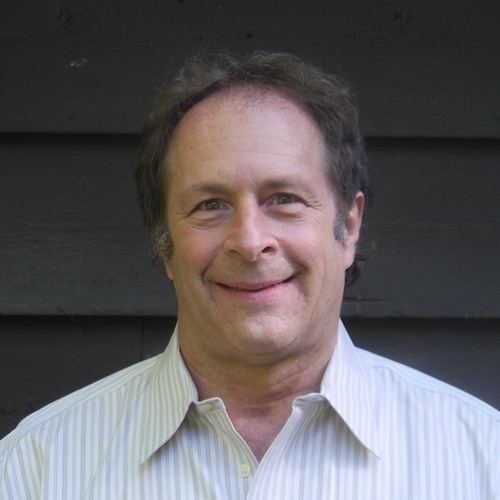
Michael Pollan plays a unique role in American intellectual life. In his many groundbreaking, often-bestselling books and highly influential articles, Pollan has seamlessly woven together multiple personas—investigative journalist, cultural observer and critic, storyteller, public intellectual and translator of leading-edge science into comprehensible English. He has, on several occasions, almost single-handedly shifted the national conversation on visceral issues central to human existence: our relationship to food (in such works as The Omnivore’s Dilemma, Food Rules, In Defense of Food, Cooked) and to the entire universe of plants (in The Botany of Desire). Pollan may be about to change the national conversation again with his latest project, How To Change Your Mind.

Michael Pollan is an excellent writer, one who invariably gets to the essence of very complex topics, making them accessible to just about any literate reader—and he does this without ever “dumbing down” the material. This is a rare gift. Pollan has also found a way to combine his impeccably honest, level headed, lucid, rigorous approach (though always, mercifully, leavened with a sprinkling of gentle humor) to analyzing issues with personal immersion in each topic.

Steady sanity, sensitivity and centeredness make Michael Pollan the ideal candidate to explore the highly contentious but re-emergent topic of the potential value of psychedelic drugs, which he has done in his newest tome, How to Change Your Mind: What the New Science of Psychedelics Teaches Us About Consciousness, Dying, Addiction, Depression, and Transcendence. (Read the book’s prologue here.) Many books have been penned about various aspects of psychedelics (scientific, medical, cultural, anthropological) over the decades, some of them excellent, but their readership has, for the most part, been limited to hard-core “psychonautic” subcultures. Those few works on the topic that have broken out and reached a more mainstream audience over the last 60 years or so have tended not to be—to put it mildly—the most grounded and sober examples of the genre.


Michael Pollan will be speaking about the fascinating research into psychedelics behind How to Change Your Mind at the upcoming Bioneers conference in October 2018. Get your tickets today.


History

On sale May 15, 2018

How to Change Your Mind begins with the history of research on psychedelics and the pioneering experiments in using them therapeutically. This recounting focuses especially on LSD and psilocybin, starting in the late 40s when Albert Hoffman’s “problem child” (as he later called it) made its way out of the lab and into the hands of researchers, therapists and circles of intellectuals in Europe and North America, continuing into the early 70s. That often promising and surprisingly widespread (if at times overly enthusiastic, insufficiently rigorous and poorly designed) research and experimentation with combining psychedelics and various forms of psychotherapy and other “human potentials” modalities was almost completely shut down in the wake of the backlash to the counterculture in the late 60s.

The psychedelic subculture mutated into a number of streams that went further underground, continuing their own dynamic forms of experimentation and covert cultural practices to the present day. Meanwhile, government-approved research remained totally halted until the late 80s and early 90s, when it slowly began to re-emerge thanks to the efforts of a handful of tireless, passionately dedicated scientists, therapists and advocates, whose story Pollan tells. That research has regained momentum in the last decade with more human clinical trials underway, most notably those at Johns Hopkins and NYU. These trials have focused on often-intractable problems, such as reducing death anxiety in terminal patients and addressing PTSD, depression and addiction. The trials have yielded extremely positive, tantalizing results, which Pollan describes in detail, but so far they have been administered to very small samples of patients and will need far more expansion and confirmation before penetrating into the medical mainstream.

Quite a bit of the story about the emergence, interruption and rebirth of this field of inquiry has been previously recounted in a number of books, but Pollan’s overview of this fascinating and very colorful history is useful because it is up-to-date, impeccably researched, and fairly comprehensive—and he has no axe to grind. He lays out the facts he has ascertained even-handedly and fairly so an unacquainted reader will get a very clear sense of how these substances emerged, the great promise they showed in early experiments, studies and trials, the personalities involved, the problems that arose, and the current status of research. Pollan also explains what the neuroscientists who have studied psychedelics’ direct impact on the brain have found, and the range of hypotheses that are now offering possible explanations for the powerful temporary effects these drugs have on the psyche.

Experience

Pollan’s multi-decade history of the therapeutic uses of psychedelics and reportage on current neuroscience regarding their effects are central components of his text, constituting roughly half the book. This history is important and valuable to recount, will be of great interest to many people and is essential to this tome’s structure and mission. Perhaps because I was already familiar with that history, the other major component of the book, the personal stories of psychedelic experiences, was even more compelling for me. Pollan interviewed scores of people who had taken part in past and contemporary “psychedelics-aided therapy” trials to get their subjective accounts of what transpired and the lasting effects of their experiences. There are quite a few powerful accounts of life-changing shifts in perspective that get to the heart of how humans seem to blossom when they are able to feel a connection to something greater than themselves and tamp down the dominance of the ego. The psychedelic experience is well known to be impossible to do justice to in conventional language (“ineffable” comes up a lot), as trippers are frequently known to emerge spouting platitudes about universal love or incoherent babble, but Pollan understands this problem full well. Nevertheless, he was able to get profoundly moving testimonies from his interviewees. He has the courage to use his eloquence to engage with seeming platitudes in order to delve into the hard-to-define mystical impulses these experiences so often trigger.

By far the most compelling and entertaining part of the book, for me, was Pollan’s reporting on his own forays into the psychedelic realm. He understood early on in the project, quite correctly, that this was one domain in which one really can’t speak authoritatively without some direct experience, so he took it upon himself to trip on several substances in a variety of contexts to wrestle with the potential benefits and risks of the drugs in question in the subjective laboratory of his own mind.

Pollan is a convincing everyman in that quest. While he had clearly dabbled in cannabis (one of the plants whose history he traced in The Botany of Desire), he was a relative psychedelic novice when this journey began. He had a few mild magic mushroom experiences decades ago but had never taken LSD or had a strong, full-blown “trip.” He’s an open-minded and open-hearted guy, but he’s also a secular rationalist wary of supernatural and magical thinking, rooted in a scientific view of the world. He also confesses to being fearful of—or at least somewhat uninterested in—introspection at the onset of this project. The frequent reports of mystical and quasi-mystical experiences by people who have ingested psychedelics fill him with ambivalence as he begins his explorations because they are outside his normal ideological comfort zone, but they often seem to be central to the curative potential of these drugs.

What makes this part of the book so compelling is that Pollan is brutally honest about his fears, doubts and prejudices going in. He is a warm, compassionate, at times endearingly self-deprecating fellow that one really enjoys following on this travelogue of occasionally ecstatic and frequently harrowing journeys into the mysteries of the unconscious, but he is also a rigorous observer who can be dispassionately skeptical, willing to subject his own feelings and thoughts to sharp scrutiny. This is Pollan’s great genius: He achieves just the right mix of passion and dispassion, immersion and analysis.

This is where How to Change Your Mind penetrates most deeply and viscerally into the mysteries of the mind. Pollan engages in experiences that force him to question his assumptions about the nature of consciousness and the meaning of life. He is a great storyteller, and meeting some of the extremely colorful characters and subcultures he encounters in his search for guides is great fun. But this is also a totally engrossing account of one no-longer-young man’s courageous, daring quest to wrestle with the most profound questions facing any human being.

Implications

Because Pollan is such a well-known figure and bestselling author, taken seriously by cultural gatekeepers, it is possible this book will have an impact that others who have written about this topic could never hope to achieve. He has lived up to his responsibilities, having produced a cogent, smart, deeply informative, highly entertaining and ultimately profound text. I fervently hope it will engender a national conversation about the seemingly impressive curative potentials of psychedelics, the most powerful consciousness-modulating substances ever discovered.

More and more of us seem to be subjected to the intense suffering caused by such conditions as depression, anxiety, PTSD and addictions, and nearly all of us are affected by the fundamental human terror of death and meaninglessness. If these admittedly tricky substances with their checkered history and awe-inducing potency can (with great care and thoughtful application, when appropriate, with well-screened patients) become more widely available tools in the eternal struggle to mitigate human psycho-spiritual angst and suffering—as the research in this book indicates they are likely able to do—it would be a crime not to do our utmost to make them our allies. A whole community of heroic, dedicated people has been working for a long time to make this happen, and the movement should be grateful that Michael Pollan has lent his voice to their cause. He could be just the right person to push that critically important effort into a higher octave of mainstream acceptance.

Read an excerpt from How to Change Your Mind here.


J.P. Harpignies is a Brooklyn, NY-based consultant, conference producer, copy-editor and writer. He is the author of four books: Political Ecosystems, Double Helix Hubris, Delusions of Normality, and most recently Animal Encounters; co-author of The Magic Carpet Ride; editor of the collection, Visionary Plant Consciousness; and associate editor of the first two Bioneers books: Ecological Medicine and Nature’s Operating Instructions. A senior review team member for the Buckminster Fuller Challenge, he was formerly a program director at the New York Open Center and founder/co-producer of the Eco-Metropolis conference in NYC. J.P. also taught t’ai chi chuan in Brooklyn, NY for nearly 25 years.

Water as Leverage – an opportunity to accelerate climate change adaptation

By Henk Ovink

The Challenge

Water represents man’s most challenging and complex risk. Floods and droughts, pollution and water conflicts combine in conceivably disastrous ways with rapid urbanization, a growing demand for food and energy, migration, and climate change. This makes water one of the greatest risks to economic progress, poverty eradication and sustainable development. Floods and droughts already impose huge social and economic costs around the world, and climate variability will make water extremes worse. If the world continues its current path, projections suggest that we may face a 40% shortfall in water availability by 2030. Meaning that this global water crisis can be seen as the biggest threat facing the planet over the next decade. That is why in 2016 United Nations Secretary-General Ban Ki-moon and World Bank President Jim Yong Kim convened a High Level Panel on Water (HLPW) with 11 sitting Heads of State and Government, including the Dutch Prime Minister Rutte, to help put water higher on the global agenda and work on actions and investments. On March 14The HLPW presented its report ‘Making every drop count’ on March 14 to the world with a call to action.

Building on this global awareness, we need to see water’s connecting and interdependent strength also as an opportunity. The time has come to use water as leverage for impactful and catalytic change. This requires a balanced match between long-term comprehensive urban planning and short-term innovative transformations, and between ambitious climate adaptation plans and bankable projects. Transforming vulnerable cities into resilient ones; and this while developing more knowledge of the water system and learning to build more capacity among everyone and all, institutional and individual. Therefore result driven, inclusive and transparent collaboration is essential; across all sectors, all layers of government, all stakeholders – from activists and vulnerable communities to private and public institutions.

The challenge is to bridge the gap between plans and projects and between a siloed technocratic approach and an inclusive process that connects all stakeholders form day one. The biggest task comes with ensuring an approach where the ones that implement and fund the projects are part of the conception of the ideas to secure that innovation and catalytic projects don’t fall between the cracks of the end game of evaluation and standardization. We can’t repeat our past mistakes and continue to make investments in isolated projects that aim to deal with the disasters of yesterday but actually lead to even worse disasters tomorrow. We have to start funding innovative and transformative projects that link everything together and thus meet the Sustainable Development Goals (SDG’s) of the United Nations, the Paris Agreement’s climate ambitions and help change the world and the system from the ground up.

The Initiative: Water as Leverage

Taking up this challenge, the Special Envoy for International Water Affairs, Henk Ovink, initiated Water as Leverage. Other partners of this initiative are: the Dutch Ministry of Foreign Affairs, the Dutch Enterprise Agency, the Dutch Minister of Infrastructure and Water, the Asian Infrastructure Investment Bank, the Global Centre of Excellence on Climate Adaptation, Architecture Workroom Brussels, the International Architecture Biennale and 100 Resilient Cities. Doing so Water as Leverage launched its first programme at the 23rd Climate Conference in Bonn: ‘Water as Leverage for Resilient Cities: Asia’.

The Programme: Water as Leverage for Resilient Cities: Asia

Water is the leverage for climate impact, yet ‘it takes millions to invest billions wisely’ – that is the conviction of our Special Envoy for International Water Affairs, Henk Ovink. The programme ‘Water as Leverage for Resilient Cities: Asia’ will provide the funding for an inclusive, collaborative and innovative process, with the aim to develop pilot projects that will use water as leverage for real climate resilience impact. After an intense period of thorough research, fieldwork, and workshops, Water as Leverage for Resilient Cities: Asia consortium partnered with the cities of Khulna, Chennai, and Semarang. These three city regions are only a starting point: they are pilots for similar cases in Asia and the world and therefore possible springboards for a consecutive follow up. The parallel goal next to these bankable projects, proofs of the matter and ready to fund and implement, is to develop this transformative methodology of pre-project preparation and help institutionalize its methodology in partnership with a growing group of partners from governments, financial institutions, investors and other professionals, to be able to apply this methodology in many more regions in regard to their urban, water and climate challenges.

Call for Action

On Earth Day (22th April 2018) Water as Leverage launched its first call for professional interdisciplinary teams to engage in Chennai, Khulna and Semarang and together with and supported by the Water as Leverage coalition develop transformative resilience projects in the field of water, climate adaptation and urban planning. This Call for Action is the start of an inclusive and comprehensive competitive process to identify the most ground-breaking projects on site and move these towards implementation as examples for transformative resilience interventions to be brought to scale across the whole region of Asia.

Studying the Healing Potential Of Psychedelics

Hosted by the Multidisciplinary Association for Psychedelic Studies (MAPS). New research is providing a provocative look at the healing potential of certain psychedelic substances, possibly yielding a scientific foundation for re-evaluating public policies of prohibition and repression. With Ralph Metzner, consciousness explorer whose groundbreaking books include The Psychedelic Experience and Green Psychology; Rick Doblin, MAPS founder/President; and Valerie Mojeiko, a MAPS analyst of the healing potentials of MDMA (Ecstasy), LSD, lbogaine and other psychedelics.

Explore our Visionary Plant Consciousness & Psychedelics media collection >>

Thinking Like a Grapevine: Interview with Winemaker John Williams

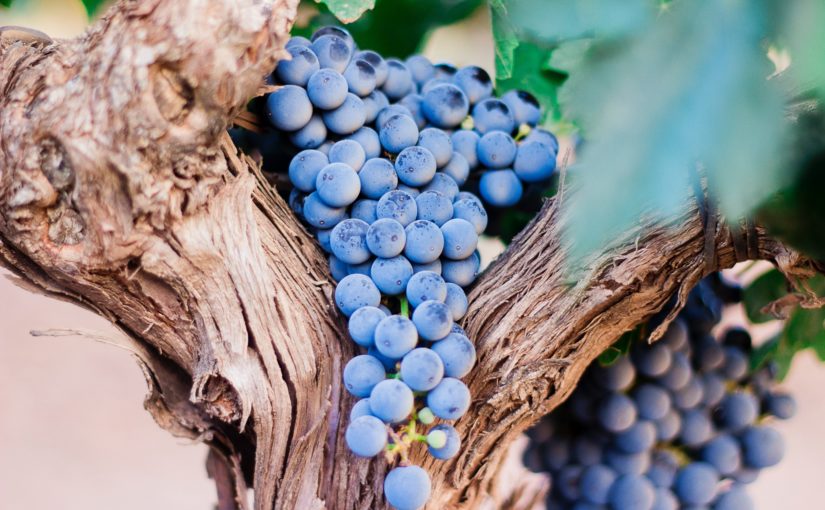
So how does a grape vine know how to make these incredibly important decisions? It’s measuring the angle of the sun and the phase of the moon, and the tug of the planets, and the temperature in the soil, and the moisture content in the soil, and the kind of pheromones the fungi in the soil are giving off. When the birds come through the vineyards, and the insects, and what life stage they are in, and when the acorn’s falling off the tree next to it, everything in its environment is a clue. This is the life of a grape vine.

John Williams of Frog’s Leap winery was one of the first winemakers to use organic grapes in the Napa Valley. Frog’s Leap has a LEED certified tasting room and the winery runs on solar power. Arty Mangan, Restorative Food Systems Director for Bioneers, spoke with John at the winery.


ARTY: John, you are a winemaker as well as a farmer. What are you growing?

JOHN: Besides grapes, we grow 40 other crops. Peaches, pears, figs, apples, cherries, nectarines, pomegranates, olives, etc. We’re farming a little over 200 acres of grapes. On every farm, we have small sections of other crops. It’s not big acreage, we do it for the biodiversity. Most of our fruit crops we’re turning into products– marmalades and conserves, hot pepper sauce, honey, and olive oil. That’s what we sell in our souvenir shop instead of coffee cups and ashtrays. We are offering something we actually make on the farm.

ARTY: You’re one of the pioneers of organic wine in California.

JOHN: We don’t think of ourselves as pioneers, but we’ve been certified organically grown since ’88. There were a handful of other early organic wineries, Fetzer Frey, and Couturri. None of us knew what we were doing. I called up Fetzer and said, “Hey, can I come up and see what you’re doing?” He said, “Yeah, we have this guy Amigo Bob [Cantisano] that tells us what to do.”

ARTY: Amigo’s influence is widespread in organic agriculture in California.

JOHN: Yes, so we brought him in thinking he was going to tell us what we can’t spray and what we can’t do, and instead he started talking about how you build healthy soil and how you bring the life back into the soil and back into the farming system.

Doing that, we started thinking, it’s great that we have healthy soil, but where do my farm workers live, how much energy are we using? What about our water? What are we constructing our buildings from? What are we doing with our waste? I think it helped us build an awareness that we ran a living system, and that we needed to nourish the whole system, not just the growing part of things. There’s still plenty to learn on how to get better.

ARTY: Where does labor fit into the living system?

JOHN: The biggest reason we have the other crops is to fill in the labor calendar because the grape work is about 9, 9½ months of labor, and not all continuous. If you want to keep full-time workers, you have to find other stuff for them to do. We can go from picking grapes to picking olives, to pruning peaches, to getting garden beds ready, then to pruning grapes. In the farming operations, there’s about 25-30 multi-skilled full-time workers.

It’s been a huge benefit, because now labor is a rate-limiting step for a lot of people, and skilled labor even more so. People are switching to cordon pruning. Everyone knows it’s not as good for the sauvignon varieties as cane pruning, but they simply can’t stay with cane pruning because you need to have real skilled workers to cane prune. Anyone can cordon prune.

ARTY: The ethic of taking care of those workers and their families also makes good business sense.

JOHN: We find this time after time in all the things that we do. It’s like our LEED certified building. What a nice guy to build a LEED building, save the environment, right? It has increased worker productivity exponentially.

ARTY: Really? How?

JOHN: Natural light into every working space, no VOCs from paints, and no off-gassing of your insulation and carpeting. It literally affects your brain. People are getting sick in the workplace. You can’t understand why they’re getting sick all the time. It’s from living in a toxic environment. We don’t have any of that.

ARTY: Are all of your grapes are dry farmed?

JOHN: Yes. We don’t even have irrigation infrastructure in the vineyards. All the great wines- Bealieu, Inglenook, Stags Leap that won the Paris tasting, the Chateau Montelena and Robert Mondavi- that have established a reputation that made Napa a premier wine region globally, every one of them was from a dry farm vineyard. Irrigation wasn’t introduced until 1976. It really became popular in the mid-to-late ‘80s and early 90’s. Now wine makers will tell you they can’t grow grapes in Napa without irrigation, which of course is complete horseshit.

ARTY: How does dry farming affect yields?

JOHN: It doesn’t negatively affect our yields. In every other great wine-growing region in the world, irrigation is not allowed by law. Germany, Spain, France, Italy, Portugal, all the EU countries, no irrigation is allowed. And for a very good reason. It tends to force over production of grapes and wine.

ARTY: It’s an economic issue.

JOHN: People who irrigate here can get a lot more tons per acre, but then they frantically try to pull grapes off to get their vineyards back in balance. That’s not a good thing. With dry farming, you find yourself closer to the ideal tonnage because you’re relying on the intelligence of the vine to regulate its own crop based on its own knowledge of how much moisture is in the soil and what its fertility rate is and so on. You’re engaging the vine’s brain to grow grapes. We call it thinking like a grape vine. What’s a grape vine thinking about out in the vineyard? Is it how to get 96 points from Robert Parker?

ARTY: [Laughter] That’s what’s driving the rest of the Napa Valley.

JOHN: Well you laugh, but do you think the vine’s thinking about how to make the vineyard owner wealthy? No, it’s thinking, “How do I get my babies ripe so birds will eat them and shit the seeds somewhere else, and I’ve got to get ready for winter.” Right now, it’s thinking, “When do I break bud?” It’s got four different mechanisms to measure, to know when it’s time to break bud. Any one of them has veto power over the other three. This is the deep, intelligent life of the grape vine.

Think about everything that a vine has to do. Think about its procreation. Producing the berry is a huge part of its function because it spreads its seed. But, if its berry is tasty and the bird takes it before the seed is ready to germinate, it’s suicide, essentially. So, the vine’s function to get its berry ripe is to spread its seed. It’s an incredible decision process.

Prior to maturity, the vine protects its berry by having no sugar, no flavor, no color. It’s bitter because the tannins hadn’t polymerized. No smell. That’s how it protects its berry. Then one day when It’s time, it starts to harden its seeds and metabolizes its malic acid to produce energy, to produce the esters and color. It starts to polymerize the tannins. All this to get to the magic point that says to the birds, come and spread my seed.

Why does a grape vine turn its berry purple? To make red wine? No. It’s to attract birds. Why are white grapes so much more aromatic than red grapes? Well, they use smell to attract the birds, not color. This is the life of a grape vine.

So how does a grape vine know how to make these incredibly important decisions? It’s measuring the angle of the sun and the phase of the moon, and the tug of the planets, and the temperature in the soil, and the moisture content in the soil, and the kind of pheromones the fungi in the soil are giving off. When the birds come through the vineyards, and the insects, and what life stage they are in, and when the acorn’s falling off the tree next to it, everything in its environment is a clue. This is the life of a grape vine.

In conventional farming, they line the crop up in rows and cut off their heads and poison the soil with chemicals, and kill all the microorganisms in the soil. They shoot all the birds. They kill the insects and cut down every other living plant in the proximity of the vine, and then wonder why the vine doesn’t know when it’s time to get ripe? It’d be like putting a human in a box and painting it black and giving them plain food and water, and then asking them to write poetry. It just doesn’t work.

It’s about a deep connection to the soil. The hormones that produce these changes in a grapevine are produced in the last two or three cells of the growing tips of the tendrils and the root tips and so on. That’s where all the brain comes from. This is why we talk about having a smart plant. A grape vine that’s deeply connected to its soil and its environment is going to make these incredibly important decisions that will bring that grape into perfect balance.

A lot of people think balance is something the wine maker does, but it isn’t. It’s something the grape does. Anything you have to do in the vineyard is a corrective to imbalance, essentially. We believe that it is so important to have a vine deeply connected through its rooting system. It’s not like we’re trying to starve the vine of water. It’s why having the vine develop in the deep rich biological organism of the soil is so important. It’s why having biodiversity in your farming system is important, because all of this is how we give information to the grapevine to make the decisions.

ARTY: What a wonderful expression of botanical intelligence! We’ve just had multiple years of drought, what kind of decisions do the vines make in response to that?

JOHN: Oh, they love it. First of all, grapevines are deeply drought-loving plants. They love to put their roots down deep. Now they’ll use their intelligence to say, let’s hold back a little bit on the yield this year until we know, because last year we got burned a little bit. That’ll be part of the character of that vintage, but quite honestly, in all these drought years, Napa got a minimum of 20 inches of rain, which is almost twice what a grape vine needs to produce a full crop. So, we didn’t have drought years from a grapevine point of view here.

ARTY: In terms of the quality from a wine maker’s perspective during those dry years, what was your impression?

JOHN: We’re pretty excited about them, not because we had lower yields, but the vines, we think, were intelligent enough to say, “Let’s put a little more rooting out.” They were bringing in these additional flavors from new soil that they were exploring. They are pretty interesting wines. But you don’t want to brag them up too much because then you get a bunch of rain and you’ve got to brag up the rainy year too.

It’s all about this idea of engaging the intelligence of the vine itself, and allowing it to do the heavy lifting and wine making.

The Wonders of Our Planet

As Earth Day nears, we’re sharing insights into the wonders of our planet and what we can do to keep her healthy. Below, you’ll hear from a Native ecologist on what it means to respect plant life, pick up tips for human collaboration based on the intelligence of superorganisms, discover the pure magic of mushrooms, and more.

Gearing Up for Bioneers 2018

From Co-Founder Kenny Ausubel:

We’re living in a thriller that only reality could write. Breakdown and breakthrough – death and rebirth – creative destruction writ large. As this year’s Bioneers Conference will exemplify, there’s as much cause for hope as for horror, and the ground truth is that how this story turns out is up to us. Nothing less than a step change in human evolution will do. Never has it been more important for us to exercise our vision, our agency, our solidarity and our voices. Read more.

A few of the keynote speakers we’ll welcome this year:

  • Michael Pollan – author and journalist
  • Patrisse Cullors – co-founder of #BlackLivesMatter
  • Rebecca Moore – leader of Google Earth Outreach
  • Kevin Powell – political activist and writer
  • Justin Winters – executive director, Leonardo DiCaprio Foundation
  • And many more.

The Big Question: Sexual Fluidity Under the Sea

Research has revealed that many sea creatures see their sex assignments as guidelines rather than rules. Take, for example, one silly, striped species of fish, which has the ability to switch sexes to fill gaps within their community’s hierarchy. Pixar didn’t tell this story. Can you name the species? (Read to the bottom of this email to find the answer.)

Wise Words

“It’s a sign of respect and connection to learn the name of someone else, a sign of disrespect to ignore it. Yet the average American can name over 100 corporate logos and 10 plants. Is it a surprise that we have accepted a political system that grants personhood to corporations and no status at all for wild rice and redwoods? Learning the names of plants and animals is a powerful act of support for them. When we learn their names and their gifts it opens the door to reciprocity.”

—Robin Kimmerer, Potawatomi Indigenous ecologist, author, and professor, in an inspirational keynote address

Video to Watch: Fascinating Fungus

Paul Stamets: “Mushroom Magic”

Paul Stamets, world-renowned mycologist, author and founder of retailer Fungi Perfecti, shares the many astonishing ways in which mushrooms can be used to help solve some of the world’s most puzzling problems.

This Week on Bioneers Radio

  • Fire in the Belly: Women Leading Social Change: Harm to one is harm to all—and prevention is a question of human survival. From oil refinery accidents in California to the aftermath of the BP oil disaster in the Gulf South, leaders Pennie Opal Plant and Colette Pichon Battle are on the frontlines, organizing their communities to stop the harms of the extraction economy and climate disruption. Activist-attorney Adrianna Quintero is making sure the voices of those most affected are heard helping awaken the “sleeping giant” of Latino voters.
  • Growing Collective Intelligence: Democratizing Technology and Citizen Science: A new wave of technologies designed to regenerate people, planet and democracy is emerging in ingenious ways. Designers are creating online software for democratic group decision-making that weaves diverse perspectives into a coherent whole. And citizen science is spreading low-tech, high-impact tools that empower communities to work directly with data and mapping that can save them from harm and hold perpetrators accountable. With: democracy technologist Ben Knight of Loomio, and citizen scientist Shannon Dosemagen of Public Lab.

Book to Read

Teeming: How Superorganisms Work to Build Infinite Wealth in a Finite World by Dr. Tamsin Woolley-Barker

The superorganism way of life persists, even as the world changes. And believe it or not, there are societies even more successful and ubiquitous than these. Beneath the soil you walk on lies a half-billion year old pulsing nutrient superhighway of fungus—a dense fuzzy network of genetically distinct individuals on the hunt for matter to digest, minerals and water to absorb. If a meal is there, they will find it, and when they do, it will flow throughout the system, shuttling wherever it is needed most—because the fungi are fused into one. Each fungal cell gets more as a member of the network than it could on its own. Together, these fungal patches thrive—making up a quarter of all terrestrial biomass.

I’ve studied the evolution of social systems my whole life—everything from baboons and bonobos to orcas and insects—even slime molds and fungal networks. How do they cooperate, and why? What does working as a superorganism mean for individuality, personal freedom, and creativity? How does the fractal, ebb-and-flow math of collaboration and competition contribute to evolutionary change and complexity? And, how do these most ancient societies work to compound their value from one generation to the next? Superorganisms are everywhere, just like we are, and their footprint on the land isn’t small. And yet, we don’t see them choking on smog or stuck in traffic. The fungi aren’t counting carbon credits or worrying about the Pacific Garbage Patch, and termites and honeybees don’t have slums. These colonies have the same kind of metabolic requirements we do, yet they survive and thrive, sustainably—regeneratively—for hundreds of millions of years, through radical waves of change that turned other populations into fossils. Can we do the same?

After nearly thirty years of studying every kind of social structure, my conclusion is that we can. I know that, because it‘s been done before. The math is simple and universal. Botanical philosopher Michael Pollan says it well: “our relationship to the planet need not be zero-sum…as long as the sun still shines and people still can plan and plant, think and do, we can, if we bother to try, find ways to provide for ourselves without diminishing the world.” Other superorganisms have done it, and they can show us the way.

Read more here.

Attend San Francisco’s Earth Day Event: Learn About Protecting Sacred Sites

Native American land-defenders are always at the front lines to protect their sacred sites. These sacred sites are in the middle of our cities, in our hometowns, and in our national parks. While these battles are under-publicized, they are ongoing. This Earth Day, attend San Francisco’s Earth Day celebration, and hear Bioneers’ Alexis Bunten lead a panel in which Native American leaders share their heartbreaking and inspiring campaigns to save the West Berkeley shell mound; Juristac near Gilroy; and Oak Flat near Superior, Arizona. All of these places are sacred ceremonial sites, and all of them are under threat to be destroyed forever by mining and development.

Learn more here.

Around the Web

  • Proving an alternative-energy future is possible, mainland Portugal generated more renewable energy than it needed in March. (via EcoWatch)
  • Providing major insight into how birds navigate, recent research suggests a protein in their eyes allows them to see Earth’s magnetic fields. (via Science Alert)
  • Rights of Nature progress: The Colombia Supreme Court of Justice issued a decision declaring that the Amazon region in Colombia possesses legal rights. (via CELDF)
  • Ready to get your garden going? Microbes in soil have been shown to have similar effects to antidepressants on the human brain. (via Gardening Know How)
  • Take a trip to Sweden to see the world’s first electrified road. It charges vehicles, providing a big step toward fossil-fuel independence. (via The Guardian)

The Big Question, Answered: Sexual Fluidity Under the Sea

Clownfish like Nemo are just one of several sex-changing underwater species. “Many oysters also know sex—in the biblical sense—from both sides of the bed,” writes Dr. Marah Hardt in Sex in the Sea. “The most popularly consumed species, including those Bluepoints and Belons, Sweetwaters and Wellfleets, Kumamotos and Pemaquids, in all their wondrous, buttery, salty, smoky, earthy, fruity merroir—all have the potential to morph from male to female.” Read more here.

Bioneers Indigeneity To Be Featured at the San Francisco Earth Day Festival Saturday, April 21

Alexis Bunten

Bioneers Indigeneity


Please join Bioneers Indigeneity this Saturday, April 21 at the San Francisco Civic Center Plaza for the San Francisco Earth Day Festival, where we will be featuring tribal leaders and activists fighting to protect sacred Native American sites on stage at the Redwood Tent from 12:30-2:00 pm. The Redwood Tent is located halfway between McAlister and Grove Streets on the Larkin Street side of the Plaza. You can get directions here.

The Focus of Our Panel is Protecting Sacred Lands and Water

The Apache Stronghold march to save Oak Flat, a sacred site to the Apache, from mining. Meet Apache Stronghold at San Francisco Earth Day.


OUR PANEL LINE UP

Alexis Bunten – Our Obligations to Sacred Land and Water

Valentin Lopez – Protect Juristac: No Quarry on Amah Mutsun Sacred Grounds

Isabella Zizi – Protect our Bay: No More Tar Sands Oil in San Francisco

Vanessa Nosie and Carrie Curley – Indigenous Rights and the Fight to Protect Oak Flat

Paloma Flores – Honoring Our Youth: The role of youth in protecting sacred land and water


Tribal Stewards Restore and Protect Their Ancestral Territory at the Amah Mutsun Land Trust Near Santa Cruz, CA, but their most sacred ceremonial site at Juristac is under threat right now.

Standing Rock” was a wake up call for many Americans that the battle to save sacred Native lands and water is also a fight to protect all Americans from the ravages of unbridled development. Native American land-defenders have always been at the front lines to protect their sacred sites. These sacred sites are in the middle of our cities, in our hometowns, and in our national parks.

In this inspiring panel, Native American leaders share their heartbreaking and inspiring campaigns to stop the destruction of sacred sites and waters. Learn about what you can do to help stop an additional 93+ tankers from bringing Tar Sands oil into the San Francisco Bay; prevent the proposed gravel mine at Juristac, near Gilroy; and, protect Oak Flat near Superior, AZ from being destroyed for a copper mine.

These campaigns are happening now, in our shared backyards. These campaigns are not just about upholding Native American religious freedom. They are about our human rights to clean air, healthy ecosystems and water.

Besides our amazing panel lineup in the Redwood Tent, this years festival will feature fun entertainment, inspirational and educational panel discussions, engaging speakers and activists, our organic celebrity chef showcase, eco fashion shows, delicious food trucks, wine and beer garden, clean energy and innovation zone, demos of earth friendly products, an electric vehicle showcase, Eco kids zone, green government agencies, science fair, interactive D.I.Y programing and our amazing Eco art gallery. You can check it out here @ earthdaysf.com.

See you there!

Valentine Lopez, Bioneer Alumni, to Speak Up To Protect Sacred Site Near San Francisco at the UN Permanent Forum On Indigenous Issues This Week

By Alexis Bunten

Bioneers Indigeneity


Valentin Lopez has spoken at the Bioneers Indigenous Forum twice; once in 2015 about the historic establishment of the Amah Mutsun Land Trust, and again in 2017 to share the brutal history of genocide against his ancestors, the Mutsun People, who were taken to the Missions San Juan Bautista and Santa Cruz. In this historic panel, we learned how Chairman Lopez’ ancestors never surrendered, signed a treaty or gave away the rights to their lands or its mineral resources.

Valentin Lopez speaking at the October, 2017 Bioneer Indigenous Forum Panel, “California Indian Genocide: Truth and Recognition.”

The panel also taught us that the California Indians experienced one of the most brutal genocides in American history through three waves of colonization by the Spanish, Mexican and American periods that systematically dehumanized, enslaved, raped, and murdered the ancestors of today’s survivors until they were forced into hiding their identities and cultures.


Many people don’t know that the state of California paid bounty hunters for Indian scalps, reimbursed by the United States government.

Many people don’t know that treaties made between California Indian tribes and the state never made it to Washington DC, and many people don’t know that there are no federally-recognized California Indians tribes from Santa Ynez just north of Santa Barbara to Lytton, just north of San Francisco.

But, this outcome of genocide, doesn’t mean that survivors from these tribes don’t exist or care for their ancestral territories.

There still exist sacred sites to the un-recognized Central Coast California Indians. These sites are cared for, and represent unbroken spiritual ties to the land since time immemorial.


The Amah Mutsun have been fighting to save one such site, Juristac, or Sargeant Ranch, from destruction through sand and gravel mining. Just south of Silicon Valley, Juristac is the location of the tribe’s most sacred ceremonies and home to its spiritual leader, Kuksui. You can learn more about this threat to the site of the Amah Mutsun’s most sacred ceremonies, and home to its’ spiritual leader, Kuksui, through this short film.

As we saw at Standing Rock, and time and time again before, federally-recognized tribes are in a poor position to stand up against mining and drilling. Un-federally recognized tribes, like the Amah Mutsun, have virtually no rights to stand up against the ongoing violation of their religious freedoms and even to exist.

On Tuesday, April 17, Chairman Lopez will be taking the fight to save Juristac to the United Nations during the 17th Session of the United Nations’ Permanent Forum on Indigenous Issues. Chairman Lopez explains,

“The destruction and domination of our people never ended, it just evolved into the immoral laws and regulations that exist today. These laws allow governments to ignore Native American history, culture and spirituality. These laws allow our cultural and spiritual sites to be desecrated and monetized.”

According to the press release,

In addition to speaking on the floor of the United Nations, Lopez will also hold a press conference before the International Press Corps on Friday, April 20th and co-host a side meeting with international indigenous leaders on Tuesday, April 17th.

Chairman Lopez is attending the United Nations as a delegate of the American Indian Movement (AIM) – West. AIM-West Director Antonio Gonzales said, “The issues of lands, territories and natural resources are inextricably linked to sustainable development and self-determination. While attending the UN Permanent Forum on Indigenous Issues AIM-WEST delegates will bring attention to and hold extractive industry projects, who are also the number one threat to climate-change, on our lands, water and territories, by initiating a movement toward a globally binding instrument to hold them accountable.”

The Amah Mutsun working through their Amah Mutusn Land Trust and with many committed partners are calling on the Santa Clara County Board of Supervisors to acknowledge the difficult truth regarding the history of California Indians.

For more information please contact:

Valentin Lopez, Chair

Amah Mutsun Tribal Band

916-743-5833

http://www.protectjuristac.org/

http://amahmutsun.org

https://www.amahmutsunlandtrust.org/


The Bioneers Indigeneity Program is committed to uplifting the voices of our partners and allies in our collective efforts to protect our ancestral territories from destructive environmental practices. To learn more about our work, check out our website and our Youtube Channel Indigeneity playlist featuring over 70 presentations on contemporary Native issues.


4.12.18 Bioneers Pulse: The Time for Justice Is Now

Delivered on Thursdays, the Bioneers Pulse delivers stories from social and scientific innovators with practical and visionary solutions for the world’s most pressing environmental and social challenges. The newsletter features a weekly note from the Bioneers team alongside insight and context on the stories we share on Bioneers.org. Below is our latest Pulse. To receive these stories directly in your inbox, sign up for the Bioneers Pulse today. Now onto the good stuff:

Greetings fellow Bioneers!

On the heels of the 50th anniversary of Martin Luther King Jr.’s assassination (April 4) and Equal Pay Day (April 10), we’re meditating on the injustices of yesterday while highlighting solutions for a fairer, more equal tomorrow. In this week’s newsletter, you’ll learn about corruption within the restaurant industry, the biggest civil rights settlement in U.S. history, the desecration of a sacred Native American site in Arizona (and how you can help), how the American Dream is transforming over time, and more.

The Big Question: Taking it to Court

In 1999, the largest civil rights settlement in United States history was awarded, resulting in an ordered payout of hundreds of millions of dollars. What were the circumstances of the rarely discussed lawsuit that led to this settlement? (Read to the bottom of this email to find the answer.)

Take Action: Protect Sacred Sites in Oak Flat

Bioneers Indigeneity Program Manager Alexis Bunten writes: “On March 17, 2018, a sacred Native American religious site in southern Arizona was destroyed and it seemed like nobody cared. A representative from the Apache Stronghold came to Oak Flat, a sacred place where the San Carlos Apache people connect to The Creator through prayer and ceremony, and found the crosses marking the four corners of the sacred space intentionally destroyed. Two of the crosses were ripped from the ground and two were left standing, but were violently hacked with what appears to be an ax. Ceremonial eagle feathers were ripped from the crosses and tire tracks criss-crossed the sacred grounds.”

Read more about this unconscionable act, and sign a petition urging the U.S. Forest Service Agency and U.S. Department of Agriculture to take action.

Wise Words

“On the outset, it looks like our nation is more divided than ever before, perhaps since the Civil War, and yet if you drop down to the community level, we see black Baptist Christians and Arab Muslims in the Detroit area collaborating on community gardens. We see an organic farm in the midst of Ferguson, Missouri that’s become the sanctuary where white and black families from Ferguson came together during that time of stress and catastrophe in their community. These cross-cultural projects that are rebuilding our foodsheds and bringing food security to more people are sanctuaries for healing the wounds that have occurred in our communities, and they’re bridging the divides between urban and rural and people of different faiths, races, and cultures.”

—Gary Nabhan, ethnobotanist and author, in an interview with Bioneers

Video to Watch: Fair Pay

Saru Jayaraman’s 2017 Bioneers Keynote on fixing corruption within the restaurant industry

On Equal Pay Day, we were reminded of Saru Jayaraman’s inspirational keynote address at Bioneers 2017. As Co-Director of Restaurant Opportunities Centers United (ROC); Director of the Food Labor Research Center at UC, Berkeley; and author of Behind the Kitchen Door and Forked, Jayaraman reminded us that restaurant workers’ pay in the U.S. is deeply rooted in slavery and inextricably linked to sexual harassment, then offered a path forward.

Help Bioneers Continue This Essential Work

In this time of uncertainty and upheaval, Bioneers is needed more than ever. We rely on you, our community, to help us continue our work. Please consider making a tax-deductible donation to Bioneers.

Donate

This Week on Bioneers Radio:

  • All Love Begins with Seeing: Poetry and Justice for All: Shailja Patel’s unique artistry is a provocative global mash-up of genres. She’s a slam poetry champion and star of her award-winning, one-woman play, Migritude, about the intricate webs of global migration and cultural identity. As an acclaimed poet of South Asian and Kenyan ancestry, through her fearless art she embodies the authentic voices of women, South Asians and Africans who are otherwise seldom heard. For her, the ultimate destination of poetry is justice — too heart-breakingly beautiful to be denied.
  • Backlash Moment: Converging at the Crossroads of Identity and Justice | Kimberlé Crenshaw: When Donald Trump rode a wave of white anxiety into the White House, it was part of a backlash to the Obama presidency — one that revealed an increasingly explicit white nationalism and revived an overtly exclusionary agenda: roll back rights and protections for people of color, immigrants, Muslims, women, and gay and transgender people. Then came the backlash to the backlash: a rapidly spreading awakening that all these peoples, movements and struggles are actually connected in one story. Visionary law professor and changemaker Kimberlé Crenshaw shows that it’s only at the crossroads of our many identities that we will find a story big enough to embrace the diversity and complexity of our globalized, 21st-century world.

Book to Read

The New Better Off by Courtney Martin

An excerpt from the book by Martin, an accomplished writer and speaker who explores topics related to feminism and social justice:

The phrase “new better off” is the shorthand I’ve created for this burgeoning shift in Americans’ ideas about the good life. It’s the patchwork quilt version of the American Dream, not the (phallic) sculpture reaching high into the sky. It’s about our quest to use our current precarity as the inspiration to return to some of the most basic, “beginner’s mind” questions: What is enough money? How do we want to spend our finite energy and attention? What makes us feel accountable and witnessed? It’s about creating a life you can be genuinely proud of, an “examined life” (in the words of dead Greek guys), a life that you are challenged by, a life that makes you giddy, that sometimes surprises you, a life that you love.

It’s leaving a job that pays well but makes you feel like a cog for a freelance life that makes you feel like a creator—the financial highs and lows be damned. It’s sharing a car with a few friends and learning how to repair your favorite pair of jeans. It’s moving in with your grandmother because she needs someone to reach the highest shelf in the kitchen and you need someone who helps you keep our turbulent times in perspective. It’s putting your cell phone in a drawer on Saturday afternoon and having the best conversation of your life that night. It’s starting a group for new dads where you admit how powerful and confusing it is to raise a tiny human.

Read more here.

Attend ReGen 2018

ReGen18 is a San Francisco gathering designed to help foster a regenerative society and economy that supports the mutual thriving of people and planet. Beyond sustainability, and beyond impact, this action-focused event will bring together experts and practitioners working in regenerative urbanism, regenerative forestry and food systems, and innovative finance and will connect the dots between the networks that are emerging. Newcomers to the field are welcome.

The event takes place from May 1 – May 4. Get your discounted tickets at this link.

The Big Question, Answered: Taking it to Court

In 1999, the USDA was ordered to pay hundreds of millions of dollars to black farmers who were historically denied government assistance based on the color of their skin. The payouts are still ongoing to this day, and the case led to similar successful class action lawsuits against the USDA on behalf of women, Hispanic and Native American farmers. Read about the suit (and the Bioneers connection) here.

Conservation You Can Taste: An Interview with Gary Nabhan

Gary Nabhan is an ethnobotanist and author focused on the confluence of cultural and biological diversity. His innovative writings and pioneering projects have raised awareness of the economic and social benefits, as well as the culinary pleasures of local food. He currently serves as the Chair in Southwest Boderlands Food and Water Security at the University of Arizona.

Arty Mangan, Director of Restorative Food Systems for Bioneers, spoke with Gary Nabhan about his work, his perspective on hope and resilience in the current political climate and how collaborative cross-cultural work in local food systems has the potential to bring people together.

ARTY: In the current discouraging political climate, what do you see in your work that is cause for optimism?

GARY: There’s a hidden part of the conservation movement that few people recognize its magnitude even though they’re part of it. It’s the community-based collaborations that are rebuilding our food-producing capacity. Dollar for dollar in the history of American conservation, it’s probably the best investment in terms of its return with regard to social, nutritional and ecological benefits of any investment we’ve ever made in biological conservation in the United States. The restoration of our food-producing capacity by diversifying the number of foods in our food system is helping to heal the habitats that produce our foods and is engaging a wider, more diverse group of people in our local food systems.

60% of all American farmers and ranchers are involved in wildlife habitat restoration on their lands, and yet we never think of them as part of the conservation movement the way some people define it. At the same time, we have urban projects like the work in Detroit that are literally taking thousands of acres in blighted cities and bringing them back not just into food production, but into places where wildlife wants to hang out and where people want to hang out.

We’ve increased the number of foods being grown in the North American food system to over 30,000 edible plant species of heirloom vegetables and grains and culinary herbs and legumes and fruit trees and rare livestock breeds, many of which 25-50 years ago were considered obsolete and on their way out of the food system. We’re bringing back Navajo churro sheep and bison, and camas lilies in the Northwest, and sturgeon species in the Great Lakes and on the Eastern seaboard, wild rice, and many, many kinds of wild as well as cultivated food species. That’s what I call a conservation you can taste.

Rather than locking the species up and protecting them from people, we have the participation of diverse cultures, races, economic classes, faith-based communities, and people of different ideologies and political persuasions all collaborating. There’s basically nothing else in the American media that we can see where people are collaborating across the aisle, across cultures and races, at this point in time.

Gary Nabhan, Chair in Southwest Boderlands Food and Water Security at the University of Arizona

So, on the outset, it looks like our nation is more divided than ever before, perhaps since the Civil War, and yet if you drop down to the community level, we see black Baptist Christians and Arab Muslims in the Detroit area collaborating on community gardens. We see an organic farm in the midst of Ferguson, Missouri that’s become the sanctuary where white and black families from Ferguson came together during that time of stress and catastrophe in their community. These cross-cultural projects that are rebuilding our foodsheds and bringing food security to more people are sanctuaries for healing the wounds that have occurred in our communities, and they’re bridging the divides between urban and rural and people of different faiths, races, and cultures.

ARTY: The food systems work that you and your community are doing in Tucson has been acknowledged by UNESCO.

GARY: Tucson, my home town for the most of the last 30 years, was really hit hard by the economic recession in 2008. We just had the balloon mortgage scandal that knocked out 20,000 jobs in Arizona in one week a year or two before the 2008 recession. So, we were hit by a double whammy that meant that we had higher levels of poverty, unemployment and food insecurity than ever before.

The federal government didn’t step in. The state government certainly didn’t step in. There were a lot of nonprofits and grassroots alliances that began to work on dealing with both the symptoms and the causes of the food insecurity levels that skyrocketed, even as we had many people innovating for reasons other than just working on food security. We had the kind of work that you were doing with Peter Warshall [the Dreaming New Mexico project], looking at resilient regional food systems in New Mexico that was informing what we were doing in Arizona.

We had Brad Lancaster and all the water harvesting people working on amazing solutions to use water off the streets to reduce the urban heat island effect and grow more food in the city. We had one of the most creative community food banks in the country, the Community Food Bank of Southern Arizona, that was forging an alliance nationally, called Closing the Hunger Gap, to reward food banks not for feeding longer and longer lines of hungry people, but reducing those lines by creating livelihoods.

There was a lot of innovation going on in Tucson out of necessity to feed our people and create livelihoods. Rather than saying we should get a UNESCO City of Food Cultures designation because we’ve solved our problems, we said, “Look at us as a living laboratory where we’re working toward solutions, and being designated as one of the United Nations Creative Cities network would help.”

Fourteen nonprofit organizations and a dozen businesses have helped bring over 2,000 varieties of annual food crop species – vegetables, legumes, grains, and culinary herbs – back into local availability for free through our seed libraries and public libraries, or at discounted prices at farmers’ markets and other venues because of the use of EBT cards for SNAP benefits, so that well over 2,000 kinds of garden plants can now be accessed by low-income families for free or for reduced cost.

About 200 kinds of fruit, nut and berry varieties are being grown in Tucson, and they are scion and cuttings and bulbs being shared, about 70 species of food plants, and many of those are being donated by nonprofits like Trees for Tucson to low-income neighborhoods, to prisons or to school and community gardens, or bike trails, where people who are on the street have access to fruits even when they’ve just stumbled into town and don’t know where all the resources are. And because of Desert Survivors Nursery and Desert Harvesters that Barbara Rose, Amy Schwemm and Brad Lancaster have fostered over many years, we have this revival of native wild plant foods in value-added products being sold at farmers markets and being propagated in yards with the harvested water that is coming off the streets.

It’s democratizing the access to affordable food biodiversity, which is of course only one component of dealing with food insecurity, but it’s providing such a strong base and pride within our community that within the last three years we’ve seen 140 different value-added food and beverage products locally marketed from home-processed, home-grown or wild-harvested products with about 45 new micro-enterprises developing in Tucson, a third of them that didn’t exist before we got this designation.

As a result, we’re finally seeing a drop in the number of low-income households in Tucson because the food micro-enterprises are creating new jobs, and the food sector of our economy is the only part that’s improved. Tucson has gotten over $30 million of free publicity from magazines, newspapers, radio, TV, and social media since the designation that’s fueling interest both in the community and beyond about seeing Tucson as this wonderful living laboratory for innovation.

Bioneers on #WorldWaterDay

How do we celebrate #WorldWaterDay? We lift up the Bioneers doing the incredible and visionary work as we move towards a more sustainable, equitable future, where all recognize – Water is Life.


Kandi Mossett

Kandi Mossett (Mandan/Hidatsa/Arikara), Native Energy and Climate Campaign Organizer for the Indigenous Environmental Network (IEN), has emerged as a leading voice in the fight against environmental racism at Standing Rock and beyond. Kandi shares the powerful story of how her community drew on its cultural resilience to resist fracking in North Dakota, and how the re-assertion of tribal sovereignty, revitalization of language and restoration of traditional foodways can point the way to a just transition to a clean energy future for all of us.

If you don’t think we’re at war, then you are sorely mistaken. We are on the frontlines.


James Nestor

James Nestor, an author and journalist with a passion for extreme adventure who has written for Scientific American, National Public Radio and The New York Times, draws from his mind-boggling, multiple award-winning new book, DEEP: Freediving, Renegade Science, and What the Ocean Tells Us about Ourselves. He describes how groups of athletes and scientists plumbed ocean depths, and researchers collaborating with engineers from Apple, Google and elsewhere worked to “crack” the cetacean language code and send back messages to these giant marine mammals – to make contact. Their weird and wondrous new discoveries might just redefine our understanding of the ocean, and of ourselves.

There’s already non-human intelligent life in the universe, it’s here on our planet. It’s in our seas.


Henk Ovink

In the face of global climate disruption, two billion people worldwide will be challenged by too much water, and nearly another two billion by not enough. When you fight nature, you lose, says Dutch water wizard and designer Henk Ovink. He’s dramatically demonstrating on large scales how to shift our relationship to nature and to culture – and climate-proof our cities and coasts.

There is a way forward.


Shannon Dosemagen

Shannon Dosemagen describes how communities worldwide are being equipped to use new tools to redefine expertise and mobilize local intelligence to protect public health and ecosystems. As Co-Founder/President of the multiple award-winning New Orleans-based Public Laboratory for Open Technology and Science, she helped launch the Public Lab in response to the BP oil spill. Today it’s a groundbreaking platform and resource for citizen science environmental activism nationally and internationally.

It’s crucial for us to create time and space for us to bring science back out into the public.


Brock Dolman

Half of Americans cannot name one component of the water cycle upon which all life depends. Yet water is at the root of every human endeavor – from manufacturing to agriculture, energy production and waste management. No water, no life. Join master permaculture designers Darren J. Doherty and Brock Dolman for both practical and poetic ways to re-educate earthlings in soil and water literacy. Their practical vision for regenerating ecological integrity and social resiliency prepares us for the challenges of climate change and environmental stress. But above all, they illuminate inspired pathways for restoring nature and people in the re-enchantment of Earth.

The water cycle and the life cycle are the same cycle: no water, no life.


Bren Smith

Bren Smith, founder of GreenWave and winner of the 2015 Buckminster Fuller Challenge award, tells his personal story of ecological redemption. He dropped out of high school and became a commercial fisherman at age 14, but witnessed the destruction of the ocean firsthand. In a quest for a better way, he pioneered a revolutionary new model of harvesting bounty from the seas. He describes his innovative, practical design and future vision for “restorative 3-D ocean farming”. It restores ecosystems, mitigates climate change, creates jobs in a blue-green economy, and ensures healthy, secure local food for communities.

As fisherman, we are now climate farmers – restoring rather than depleting.


Follow along with Bioneers as we dive deeper into this World Water Day revolution with our Facebook, Twitter, and Instagram.